By the time January rolls to a close, studies suggest that nearly 90% of New Year’s resolutions would have been abandoned. It’s not difficult to see why. Many of us set ambitious goals during the excitement of the holidays, without fully thinking through what sticking to them will require.
One of the goals we set is fitness goals. We want to shed fat, build muscles, stay lean or healthy.
For those still committed, or for anyone ready to give it another go, these gadgets and tools can help make consistency a little easier as you work toward your fitness goals.
Here are 10 fitness gadgets that can help you achieve your fitness goals in 2026:
 Fishon Amos
1) Withings Body Comp Bathroom Scale
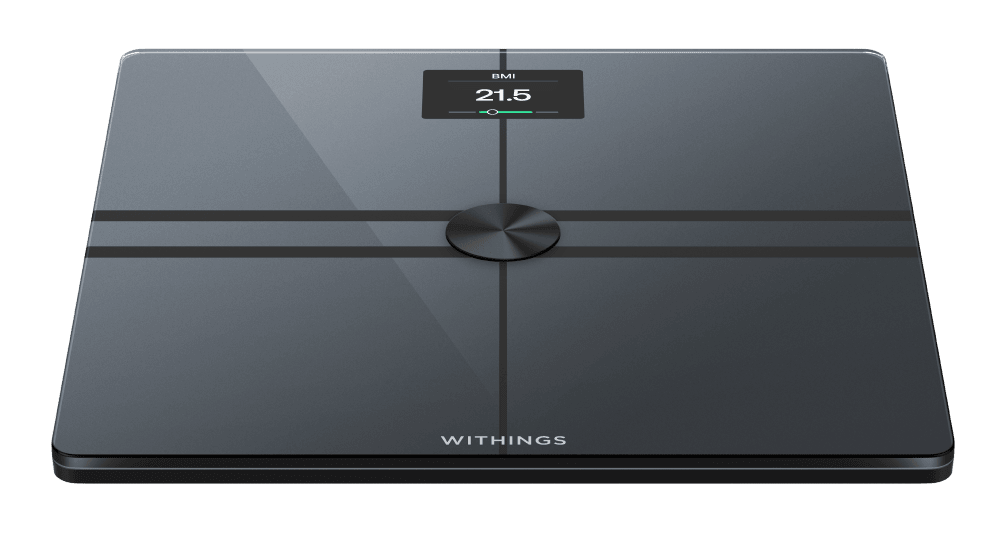
Withings’ Body Comp scale is aimed at people who want more context than a single weight reading. Instead of stopping at the number on the scale, it tracks body fat, muscle mass, water levels, and cardiovascular indicators, helping users understand how their training and habits are actually affecting their bodies over time.
This is especially useful if your New Year's goal is consistency, and progress might not always show up as immediate weight loss.
Where it stands out is in long-term tracking. By syncing data automatically and supporting multiple users, it’s designed for trend-watching rather than daily obsession.
Best for: People focused on body composition and long-term progress rather than just weight loss.
2) Huawei Watch D2
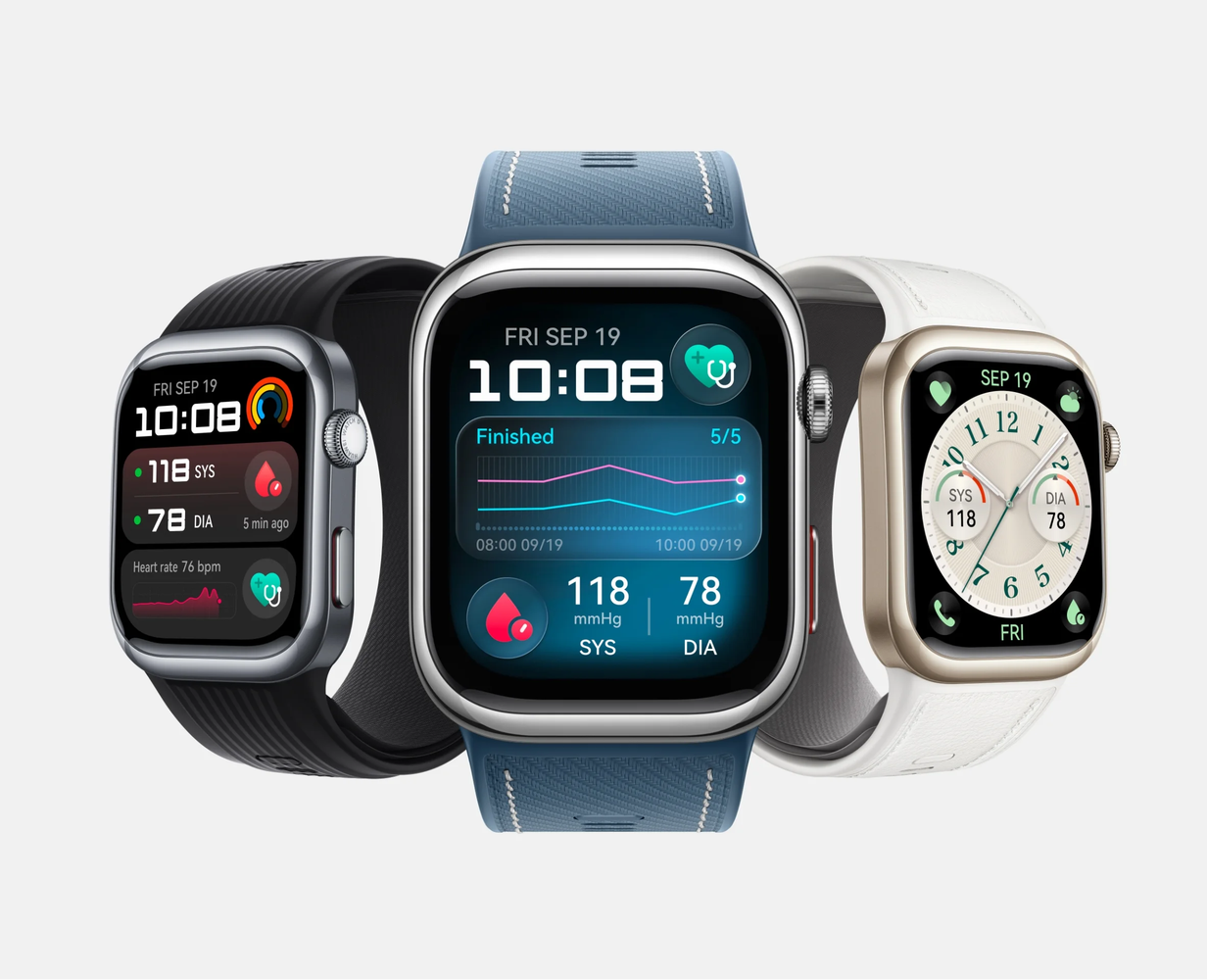
The Huawei Watch D2 positions itself as a health-first smartwatch rather than a fitness accessory alone. Alongside standard activity tracking, it puts strong emphasis on blood pressure, ECG, sleep, stress, and heart monitoring, making it useful for users who want to keep tabs on their overall health while staying active.
Its strength is the breadth of health data it collects, which helps connect everyday movement with recovery and cardiovascular health. However, its focus on health monitoring means it may feel less workout-centric than sport-focused fitness watches.
Best for: Users who want fitness tracking alongside serious health and heart monitoring.
3) Aktiia 24/7 Blood Pressure Monitor
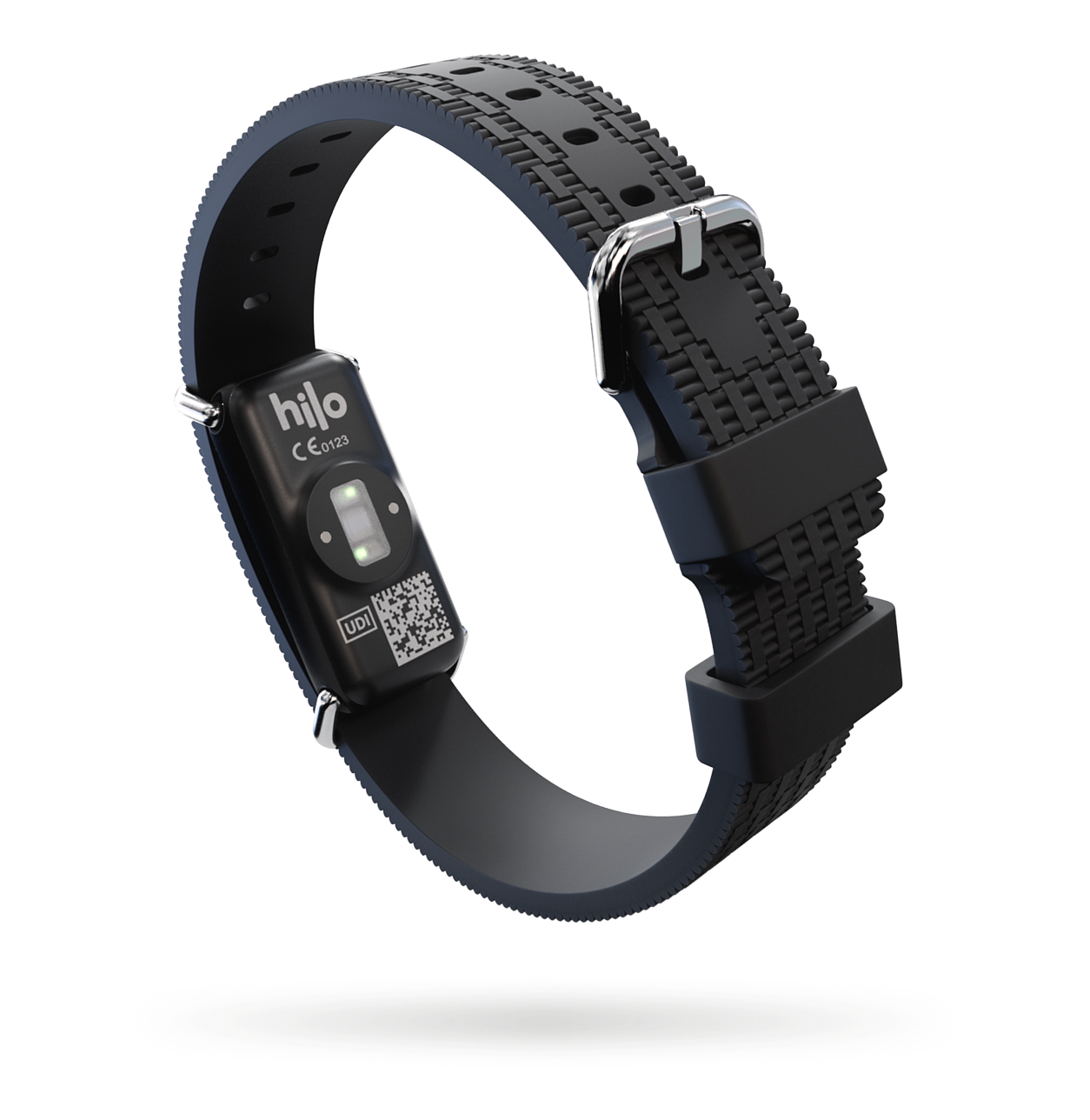
Aktiia takes a different approach to fitness and health tracking by focusing almost entirely on blood pressure trends. Instead of relying on occasional cuff readings, it automatically collects data throughout the day, building a clearer picture of how blood pressure changes during work, exercise, rest, and sleep.
Its biggest advantage is consistency. Hundreds of readings provide insights that spot patterns traditional measurements often miss. The limitation is that it’s a specialised device, so it’s best used alongside, not instead of, broader fitness trackers.
Best for: People managing blood pressure as part of their long-term health and fitness goals.
4) GOYOUTH 2 in 1 Under-Desk Electric Treadmill
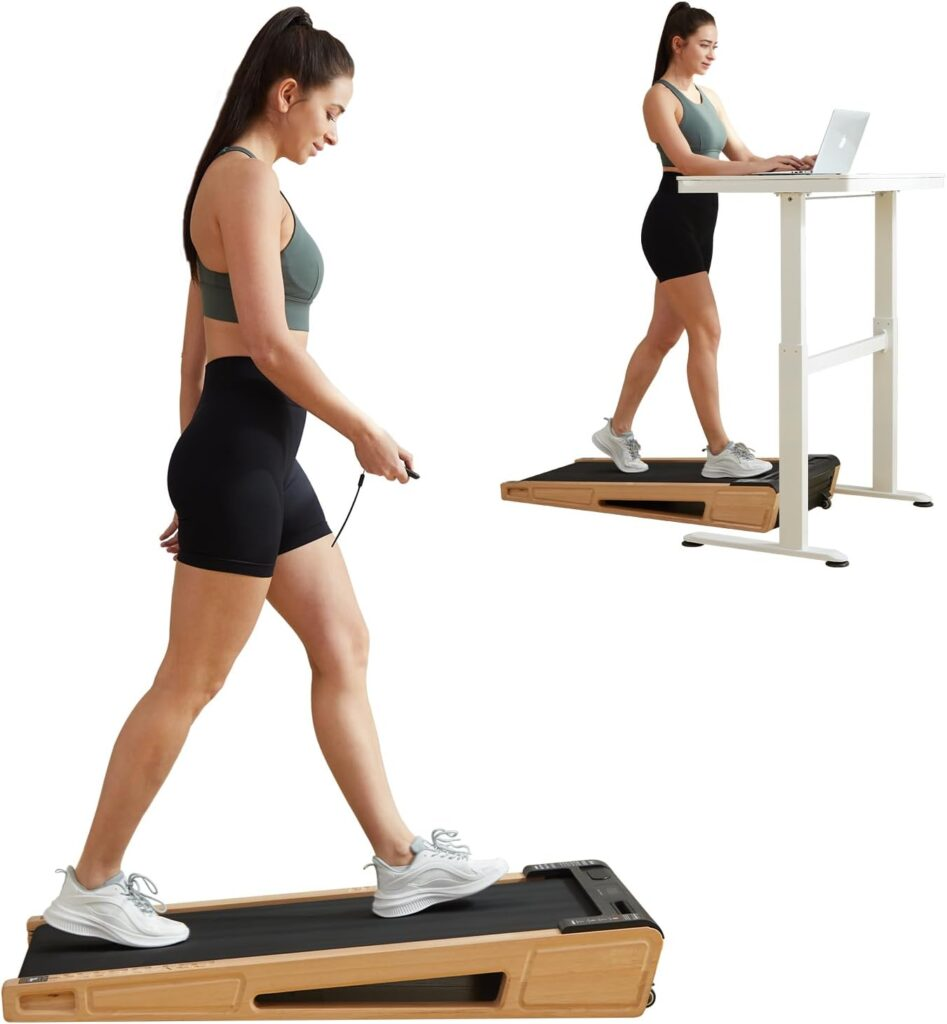
The GOYOUTH under-desk treadmill is built for people who struggle to fit workouts into busy days. Instead of replacing traditional training, it encourages steady movement by making walking possible during work hours or downtime at home. It’s a practical way to increase daily step count without scheduling extra gym sessions.
Its compact design and quiet motor make it easy to live with, especially in apartments or home offices. That said, it’s geared toward walking and light jogging rather than intense running.
Best for: Anyone trying to stay active during long workdays or build a daily movement habit.
5) Oura Ring 4 Ceramic
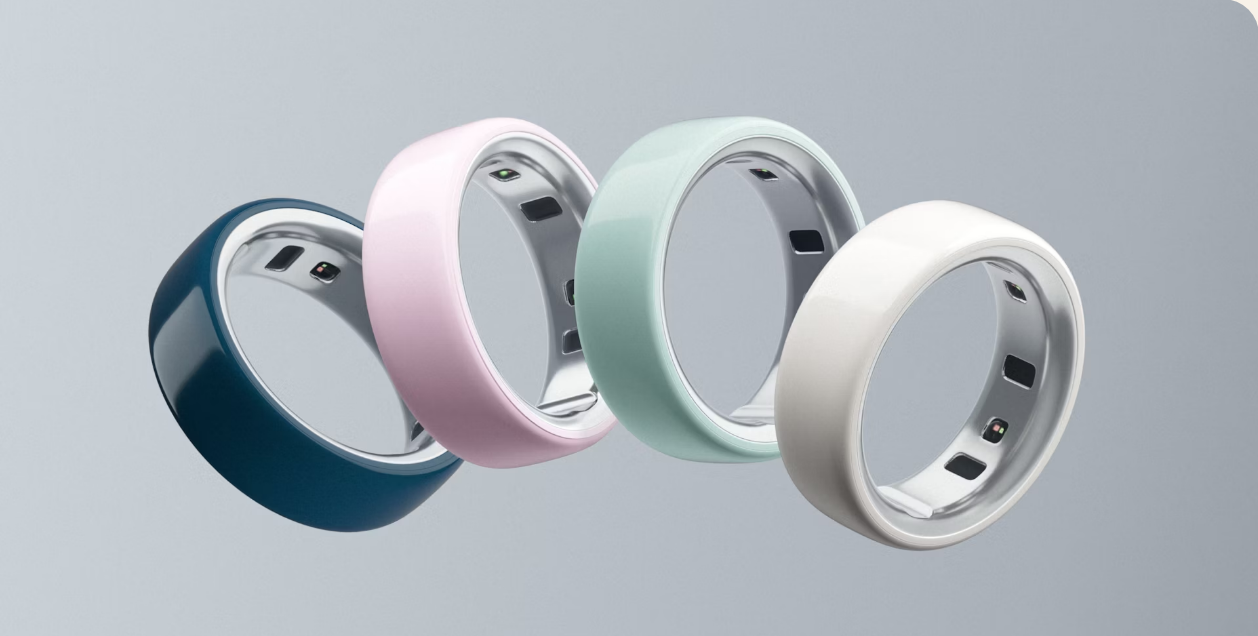
The Oura Ring takes a minimalist approach to health tracking, focusing on sleep, recovery, stress, and readiness rather than constant notifications or on-screen metrics. Worn 24/7, it quietly collects data that helps users understand how well their bodies are coping with training, work, and everyday stress.
Its strength lies in comfort and consistency, which makes long-term tracking easier. The downside is that many of its deeper insights require a subscription, which may not suit users looking for a one-time purchase.
Best for: People prioritising recovery, sleep quality, and sustainable fitness habits.
6) The Theragun Mini
The Theragun Mini is designed around recovery rather than performance. Compact and portable, it offers percussive massage to help ease muscle soreness, tension, and stiffness after workouts or long periods of sitting. It’s the kind of tool that supports consistency by making recovery easier to fit into daily routines.
While it’s effective for quick relief, its smaller size means it lacks some of the power and customization found in larger massage guns.
Best for: Active users who want simple, on-the-go muscle recovery.
7) Whoop 5.0 band
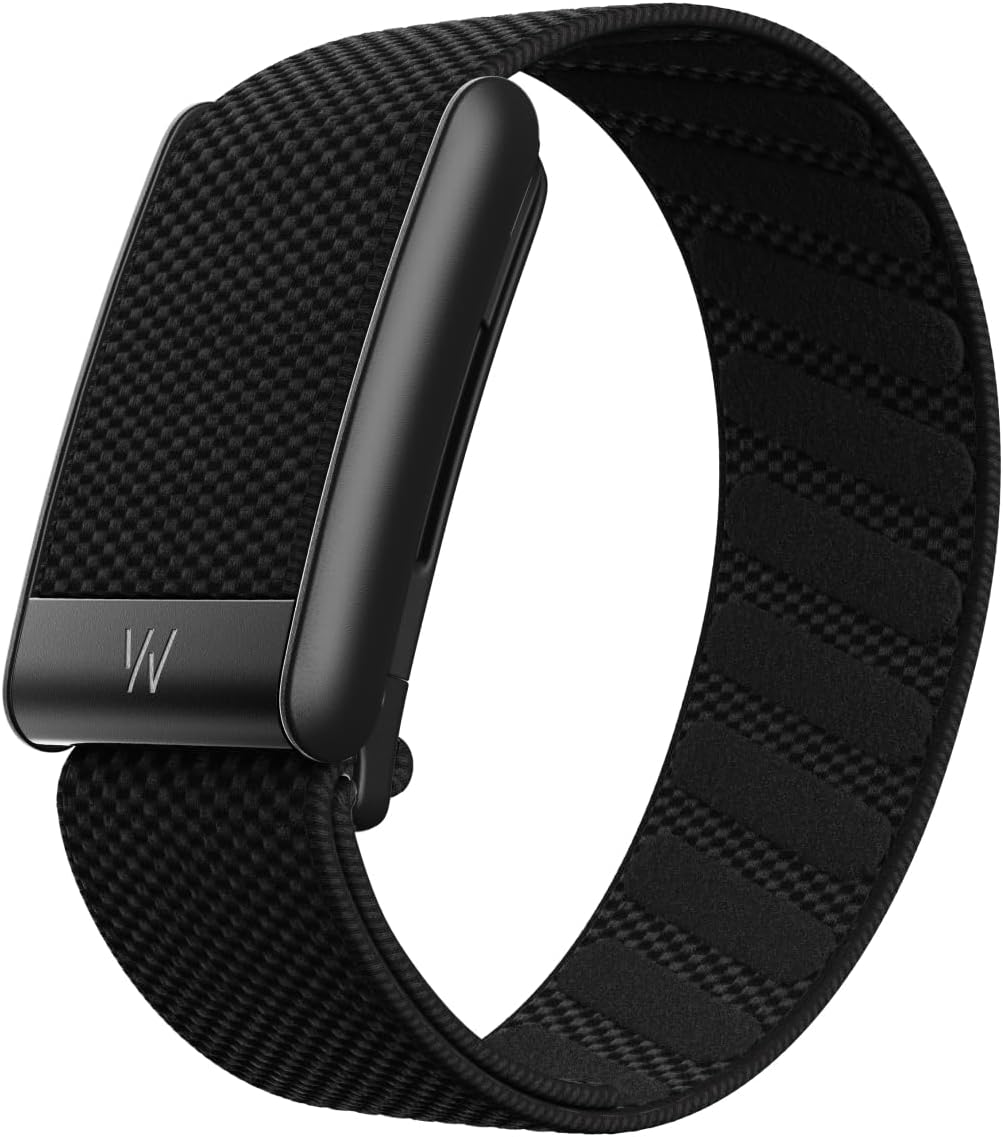
WHOOP focuses on understanding how strain, sleep, and recovery interact, rather than counting steps or calories. It continuously tracks key health metrics and translates them into daily recommendations, helping users decide when to push harder and when to rest.
Its biggest strength is how it connects lifestyle habits with performance and long-term health. However, it relies on a subscription model and offers no screen, which may not appeal to casual users.
Best for: Athletes and fitness enthusiasts focused on recovery and performance optimisation.
8) Aviron Strong Rower
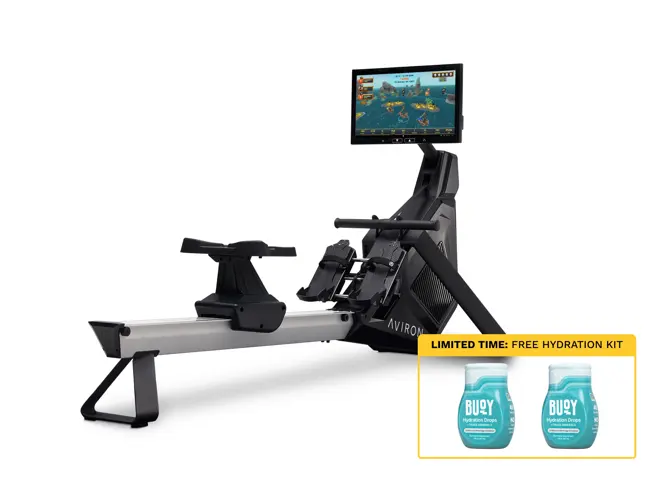
The Aviron Strong Rower combines low-impact cardio with full-body strength training, engaging most major muscle groups in a single workout. It’s designed to deliver efficient sessions, making it appealing for people who want to get meaningful workouts done without spending hours training.
Interactive content and game-style workouts help keep routines from feeling repetitive, though accessing the full features requires an additional membership.
Best for: Users looking for time-efficient, full-body cardio and strength workouts at home.
9) Tonal 2
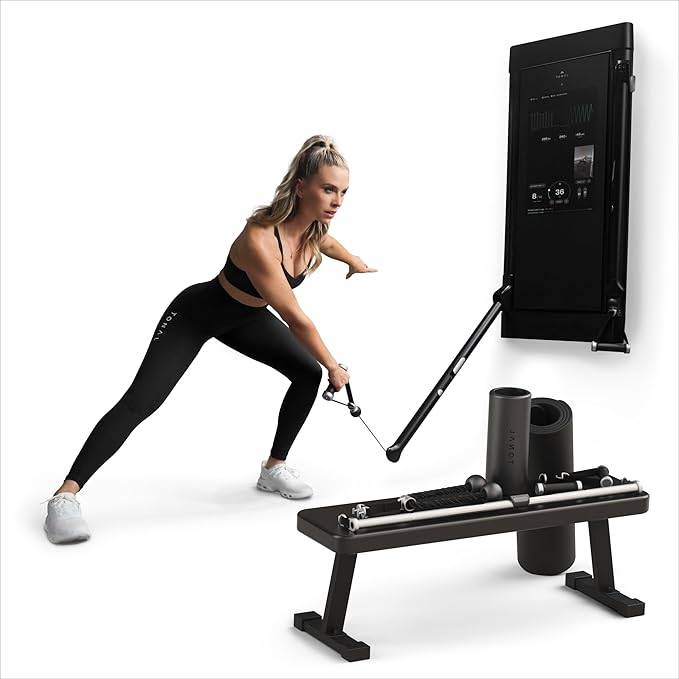
Tonal 2 aims to replace a full home gym with a single wall-mounted system. Using digital resistance and guided workouts, it adapts weight automatically as users get stronger, removing much of the guesswork from strength training and progress tracking.
Its main advantage is structure and personalisation, especially for people who are serious about building strength. Users have to pay for installation and regular subscription costs
Best for: People committed to long-term strength training at home.
10) Peloton Bike
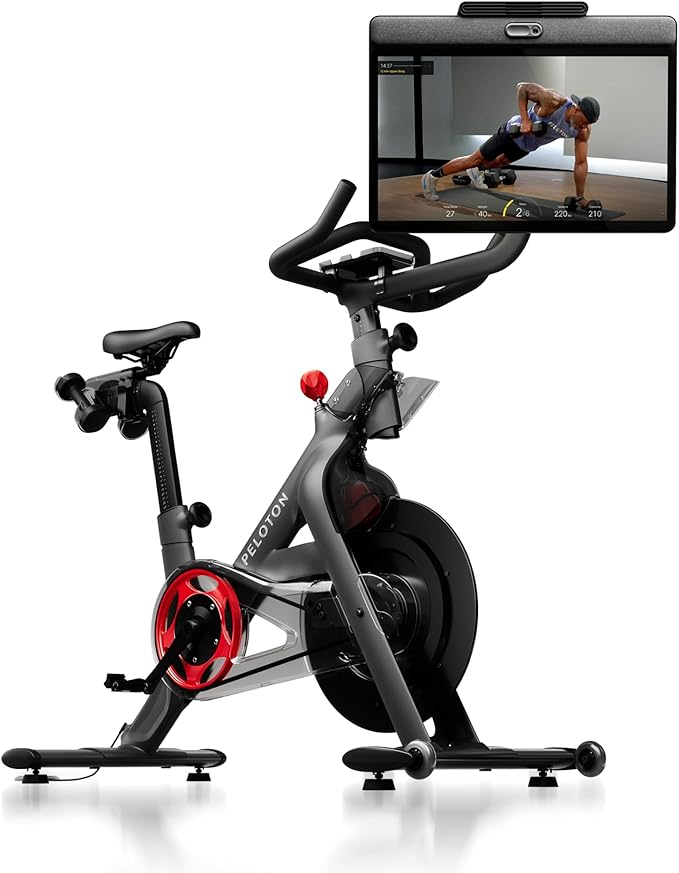
The Peloton Bike is built around structured training rather than casual cycling. Through live and on-demand classes, real-time feedback, and a wide range of workout styles, it turns cardio into a guided experience that emphasises consistency and accountability.
Its biggest draw is motivation through content and community, though full access depends on a monthly membership.
Best for: Users who stay motivated through coached workouts and structured fitness programs.
 Louis Eriakha