Imagine this: you're the person who designs the blueprint for a whole corporation's digital fortress. That's essentially what a Security Architect does. You're not just reacting to attacks, you're actually designing systems proactively so that security is built in from the ground up.
Security architecture refers to the practice of creating robust frameworks to secure systems, data, and applications throughout an organisation. It involves planning, defining, and implementing security controls in alignment with business goals, taking into consideration firewalls, identity systems, access controls, cloud security, and many others. Anyone that wants to build themselves into senior cybersecurity roles needs to get familiar with security architecture.
Some of the top courses and certifications that can help you get into this high-impact role are:
1) Certified Information Systems Security Professional (CISSP)
The eight-domain CISSP, which covers topics such as security for software development, asset security, and security and risk management, is frequently regarded as the profession's standard for information security professionals. It's perfect for anyone with technical skills who wants to make sure they understand enterprise-level security governance and architecture.
Why it matters: Aspirants for senior security roles often need the universally recognized CISSP. It shows that you can organize and manage a sophisticated security program.
What it helps you achieve: CISSP proves that you have depth and breadth to design, implement, and manage world-class security programs. It's usually needed for top security leadership positions.
Requirements: 5 years of combined paid employment in two or more of the eight CISSP areas.
Cost: $749 exam cost.
2) SABSA (Sherwood Applied Business Security Architecture)
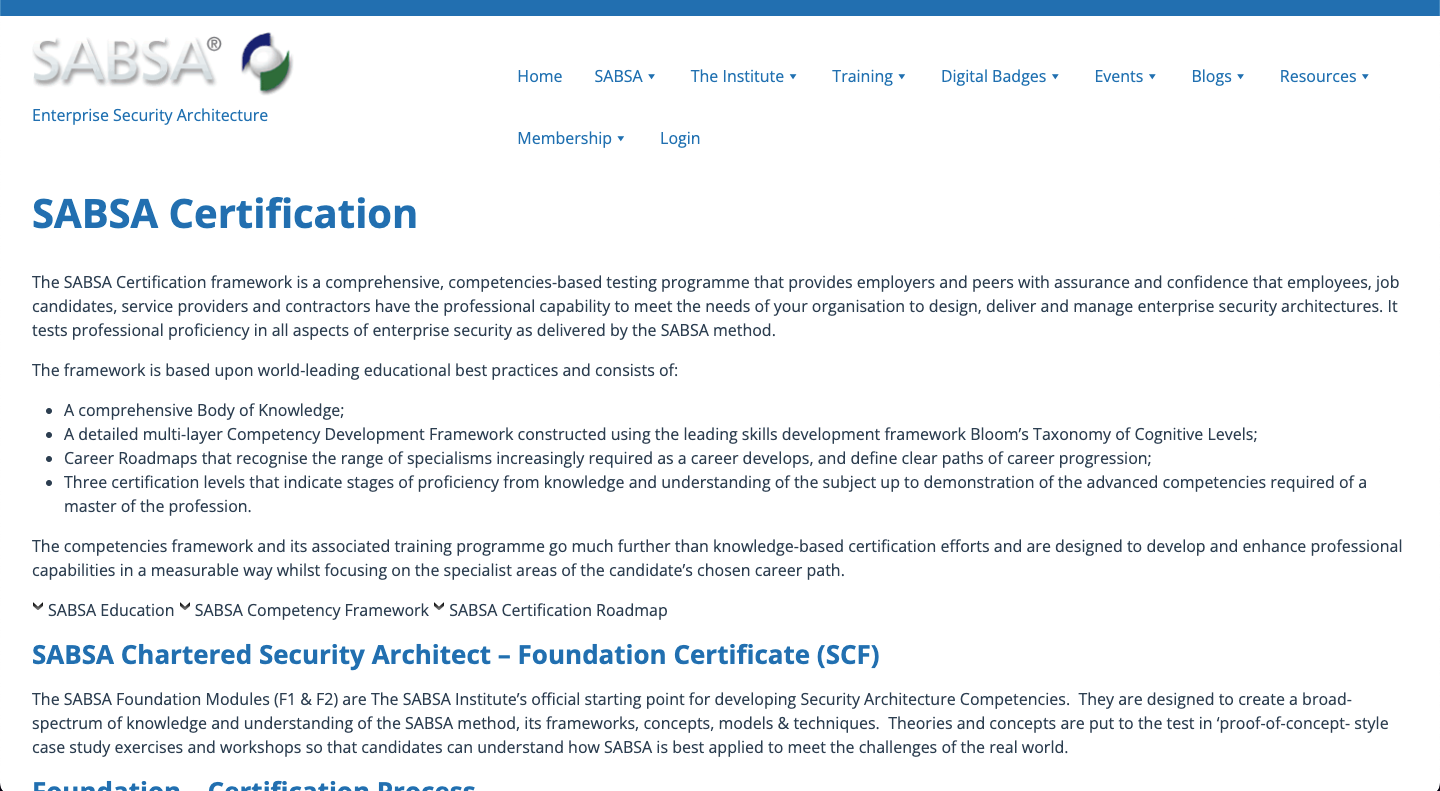
SABSA is a method and framework for developing risk-based enterprise security architectures. It's for those who need a structured way of weaving security into business and IT systems from the very beginning.
Why it matters: While numerous certifications focus on the technology, SABSA starts with business requirements and aligns security design with organisational objectives.
What it shows you: How to take business goals and turn them into security policy and architecture is a valuable skill for enterprise-level roles.
Requirements: No prerequisites, although having some IT or cybersecurity experience is helpful.
Cost: Around $3,500 for the Foundation course and exam (dependent on training provider).
3) AWS Certified Security – Specialty
This certification addresses cloud environment security, which is especially relevant given cloud adoption on the rise. It covers incident response, monitoring and logging, infrastructure security, and identity and access management.
Why it matters: The majority of organisations are now cloud-first. Being able to show that you are capable of designing secure solutions in the cloud is a major value add.
What it helps you achieve: It prepares you to design and implement cloud security architecture using Amazon Web Services.
Requirements: Recommended two years of hands-on experience in protecting AWS workloads.
Cost: $300 exam fee.
4) Certified Cloud Security Professional (CCSP)
Developed by (ISC)²-the same company that founded CISSP-the CCSP is focused specifically on cloud-specific security architecture, design, operations, and compliance. It's designed for those interested in architecting secure cloud solutions on multiple platforms.
Why it matters: With organiations adopting multi-cloud environments, it's more important than ever to know how to protect those environments.
What it allows you to do: You can design and apply safe cloud structure according to global compliance guidelines.
Requirements: 5 years' experience in IT with 3 years' experience in information security and 1 year's experience in cloud security.
Cost: $599 exam fee.
5) TOGAF (The Open Group Architecture Framework)
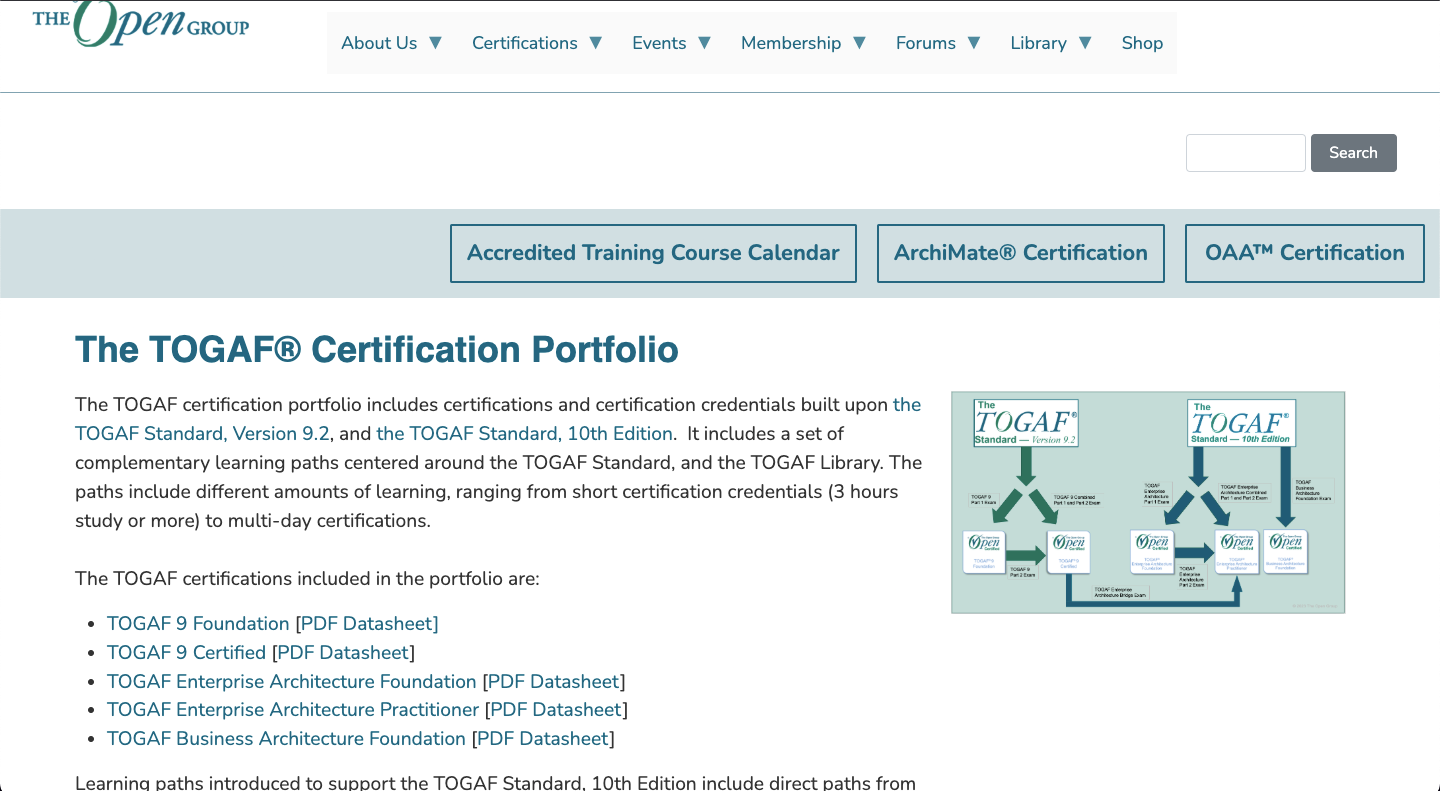
It's not specifically security-oriented, but TOGAF teaches enterprise architecture from a broad viewpoint. It would be beneficial to security professionals in large organisations where security must closely parallel enterprise-wide architecture.
Why it matters: Understanding how IT systems are structured at the business level gives security architects the context they need to design scalable, secure solutions.
What it helps you achieve: You'll be better positioned to work more effectively with enterprise architects and align security design with business process.
Requirements: No hard prerequisites, but applicable IT or architecture experience is recommended.
Cost: Between around $1,900 and $4,095.
Conclusion
Being a security architect is not just about how to stop threats—it's about how to design systems that make those threats harder to take advantage of in the first place. From learning cloud platforms to developing business-alignment frameworks, and from leading enterprise-wide security initiatives, the right courses can help you elevate from being a hands-on technical individual to becoming a strategic thinker. Choose the certification that is aligned with your career path, invest the time, and you will be well on your way to creating safer, smarter systems from the very beginning.
 Ogbonda Chivumnovu