



Cryptocurrency is digital currency that many people use to trade, invest, and send money around the world. But because it is digital and not tied to banks, scammers use tricks to steal money or information from people.
Often, scams look real and convincing, especially if you are new to crypto. It is important to learn about these scams so you can keep your money and information safe.
Below are seven common crypto scams that many people fall for.
1.Fake or Phishing Websites
One of the most common crypto scams is fake websites that pretend to be real wallet services, exchanges, or crypto projects. Scammers copy the design of a real website but change the web address just slightly. They send links through emails or social media messages, telling victims to log in to claim a reward or fix a problem.
If they enter your information on the fake site, scammers capture your login details or private keys. This gives them access to their crypto.
Scammers rely on you being busy, scared, or excited about a reward. To avoid this scam, always check the web address carefully, type it yourself instead of clicking links, and bookmark the official site so you always open the real one. Never enter your private key, recovery phrase, or password on a link from an unknown message.
 Jemi Motesho
2.Fake Airdrops and Giveaway Scams
Crypto airdrops and giveaways are real ways that projects sometimes give free tokens to users, but scammers use fake airdrops to trick people. They might post on social media saying, “Free crypto if you send a small amount first,” or “Claim your free tokens here.” These posts look real because they copy project logos and language.
When people send a small amount of crypto, the scammer takes it and never sends anything back. Sometimes scammers ask victims to connect their wallet to a fake page and give permission to move their tokens. Once you approve this, they can take all your crypto.
To avoid this scam, remember that real airdrops never ask you to send money first, and they do not ask for your private keys or recovery phrase. Always check a project’s official channels before trusting a giveaway.
3.Impersonation Scams
In impersonation scams, scammers pretend to be someone you trust. They may pretend to be a famous crypto influencer, a support team member, or a friend. They may send messages on social media, Telegram, WhatsApp, or email saying they have a special offer, a new opportunity, or that they need to help you with your account.
Often, they use similar usernames or profile pictures to look real. They tell you to send them crypto, or they ask for your login information so they can “fix” problems. Once you share your details or send money, the scammer disappears.
To avoid impersonation scams, be careful about messages from unknown accounts, verify identity through official sources, and never send crypto to someone just because they claim to be an expert or a support staff member.
4.Rug Pulls and Fake Tokens
A rug pull happens when a crypto project looks real, has a website, and even gets some attention on social media, but it is created only to take people’s money. Scammers collect funds from people who buy their token, and then they “pull the rug out” by selling all the tokens for real money or disappearing with the funds. The token price collapses, and investors lose most or all of their money.
This scam is common with new tokens that appear on decentralized exchanges where anyone can list a token. Sometimes, the developers make the project anonymous, so people cannot find them again.
To avoid rug pulls, check if the token has real code, if the developers are known and active, and if the project has real use or demand. Be wary of tokens that promise huge guaranteed profits or have no clear purpose.
5.Ponzi and High-Yield Investment Scams
Ponzi scams and high-yield investment programs (HYIPs) promise extremely high returns in a short time with little or no risk. Scammers lure people by saying they can double or triple your money quickly. They often use hard-to-verify screenshots, fake testimonials, and pressure you to invest fast before the "offer expires."
In reality, these schemes pay early investors with money from new investors, and eventually, they run out of money or disappear. People who invest later lose everything.
To avoid these scams, remember that in real investing there is no guaranteed profit, and high returns usually come with high risk. Be sceptical of any program that sounds too good to be true, and research thoroughly before trusting your funds with it.
6.Fake Wallet Apps and Malware Scams
Another dangerous scam involves fake wallet apps and malware. Scammers create fake mobile apps or software that look like real crypto wallets or trading tools. When you install these apps, they secretly capture your passwords or private keys. Some malicious apps may even install malware that records your keystrokes or sends your details to the scammer.
These fake apps are often promoted through unofficial app stores, social media ads, or download links from unknown websites.
To avoid this scam, only download wallet apps from official sources like the iOS App Store or Google Play, and check reviews and ratings carefully. Also use strong device security, avoid clicking random download links, and never enter private keys into untrusted software.
 Jemi Motesho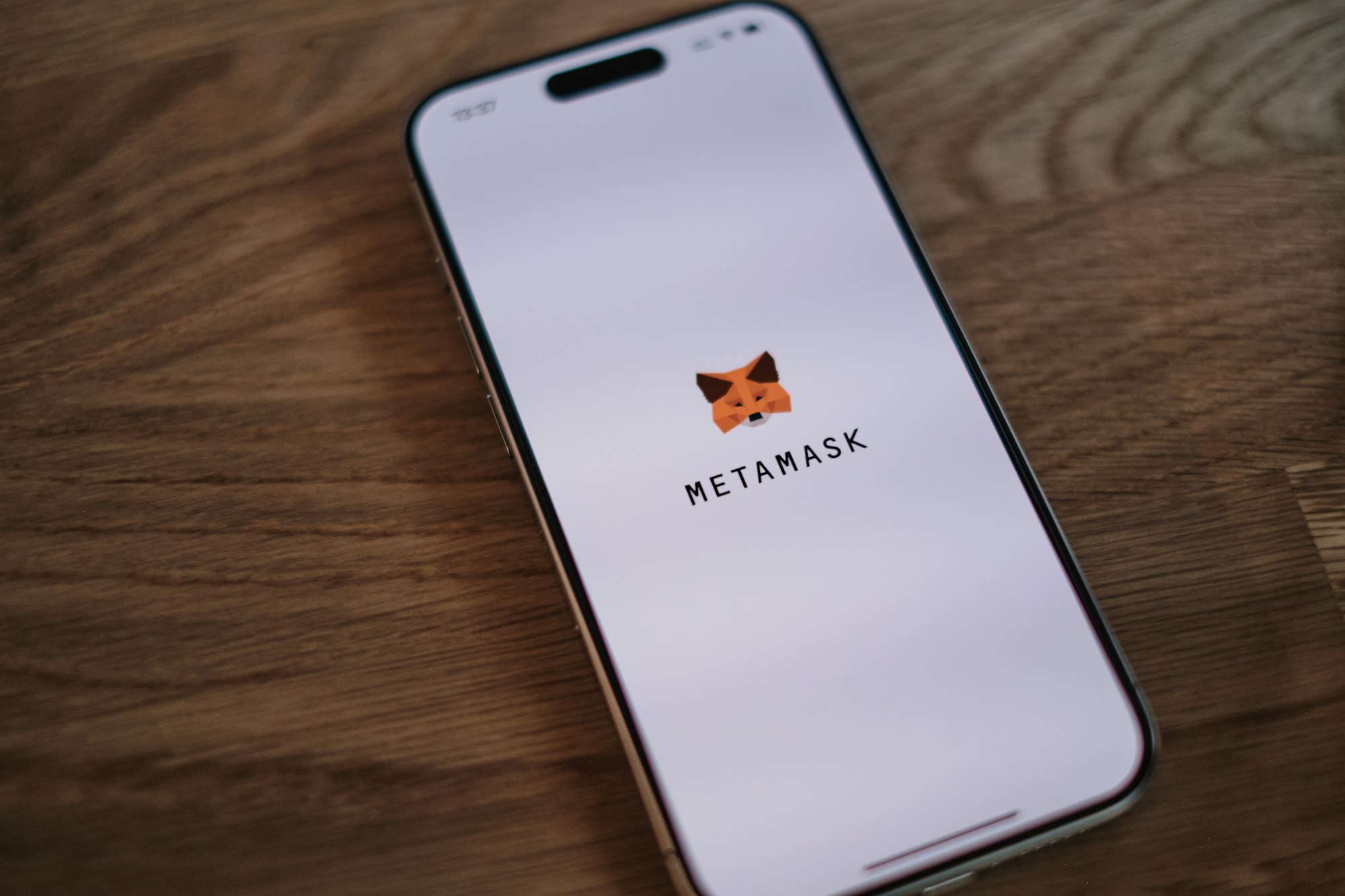
7.Social Engineering and Romance Scams
Social engineering scams exploit human emotions to trick people into sending crypto. One example is romance scams, where a scammer builds a fake relationship with someone online, gains their trust, and then asks for crypto help. They may say they need money for medical expenses, travel, or a business opportunity. Once the victim sends crypto, the scammer disappears.
Other social engineering scams include fake job offers, fake business partnerships, and “help me recover my crypto” messages. These scams work because they create emotional pressure or a sense of urgency. To avoid social engineering scams, be cautious about online relationships or offers that ask for money early, and never send crypto to someone you have not met in person. Verify opportunities independently rather than trusting links or messages you receive directly.


