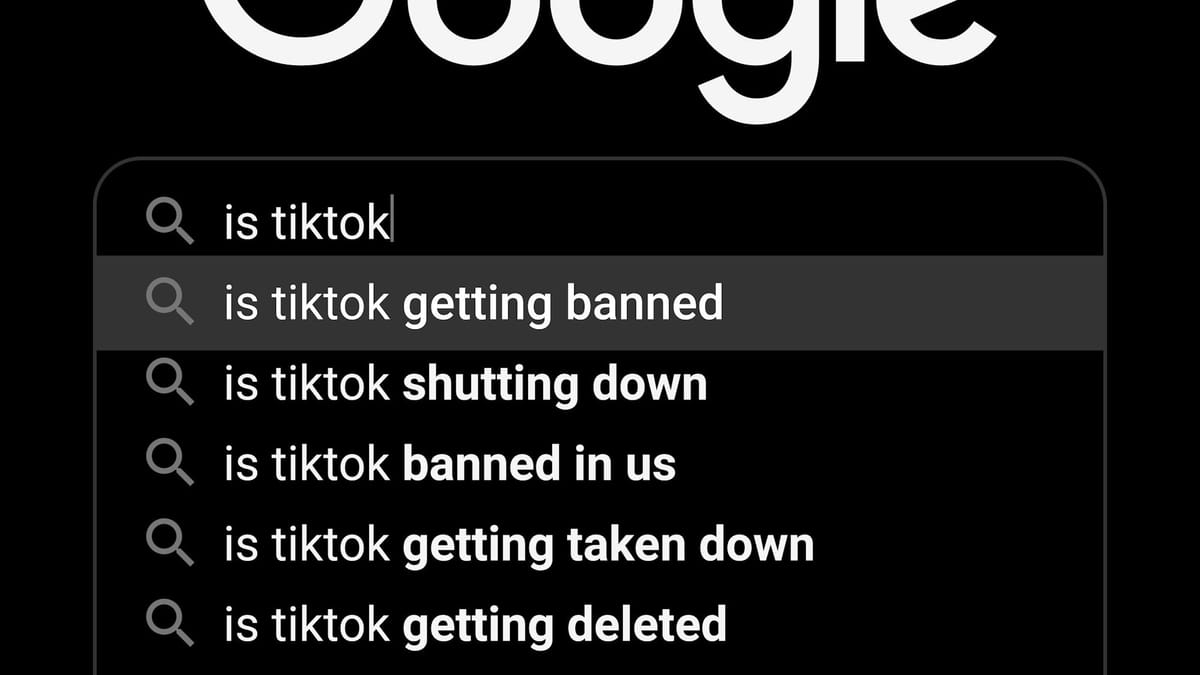
The years of court fights, political posturing, and endless “will they, won’t they” headlines around TikTok’s fate in the U.S. are finally over. TikTok says its long-running deal saga is complete, bringing clarity to whether the app would be banned or forced out of the country.
At the heart of the finalised deal is a major restructuring of how TikTok operates in the US. A newly created entity, TikTok USDS Joint Venture LLC, will now run the platform’s American business as an independent company.
While TikTok’s Chinese parent company, ByteDance, retains a minority 19.9% stake, control largely shifts to US and allied investors, including Oracle, Silver Lake, and Abu Dhabi-based MGX, each holding 15%. The company will be governed by a seven-member, majority-American board, with Adam Presser appointed as chief executive.
For users, the immediate experience isn't expected to suddenly change. The same app stays on phones, feeds keep scrolling, and creators can keep posting. The bigger change is happening behind the scenes, particularly around TikTok’s powerful recommendation algorithm.
 Ogbonda Chivumnovu
Often described as the app’s “secret sauce,” the algorithm has now been licensed to the US entity and will be retrained solely on US user data. That data, along with the algorithm itself, will be secured within Oracle’s US-based cloud infrastructure to meet American data privacy and cybersecurity rules.
This shift is designed to directly address the concerns that sparked the controversy in the first place.
Since Donald Trump’s first term, US lawmakers have argued that TikTok’s Chinese ownership could allow Beijing to access American user data or influence content recommendations. ByteDance has consistently denied those claims, but pressure intensified under President Joe Biden, culminating in a 2024 law that threatened a nationwide ban if TikTok wasn’t sold by January 2025. At one point, the app even went dark for several hours during legal battles, underscoring how close it came to being shut down.
Compared with rivals like Instagram Reels and YouTube Shorts, TikTok’s algorithmic edge has always set it apart, helping it dominate short-form video globally. Analysts say separating the US algorithm from the global version could subtly affect how content spreads or how quickly trends take off, at least in the short term.
Still, the finalised deal ensures TikTok remains a major player in the US social media landscape, rather than becoming a cautionary tale of geopolitics colliding with tech. And for TikTok's ~136 million American users, this marks the close of one of the most uncertain chapters in the app’s history.
TikTok stays, the structure is locked in, and the platform moves forward under a new, very American-shaped framework.
 Louis Eriakha