



Short-form creators have never had more AI video tools to choose from — or more confusion about which ones are actually worth using.
Kling, Veo, Runway, Hailuo, and other AI video models are all competing for attention as creators look for faster ways to produce TikToks, Instagram Reels, YouTube Shorts, and UGC-style content.
But raw video quality is only part of the equation.
For creators publishing content consistently, the bigger question is often about workflow: which platform makes it easier to turn ideas into publishable short-form videos quickly and efficiently?
As the AI video space evolves, platforms are beginning to take different approaches. Some focus on cinematic generation quality, while others prioritize editing flexibility, speed, or creator-focused simplicity. Multi-model platforms like AIReel are also emerging as an alternative approach by bringing multiple AI video tools into a single platform designed for content creation.
That shift is gradually changing how creators approach AI-generated video production in 2026.
The AI Video Market Is Moving Faster Than Most Creators Can Keep Up With

The pace of AI video development has become difficult to ignore.
New models launch almost every month, each promising more realistic motion, better prompt understanding, faster rendering, or improved cinematic quality. What started as experimental AI clips has quickly evolved into a competitive ecosystem aimed directly at creators and marketers.
But for short-form creators, technical quality alone rarely determines whether a tool becomes part of a daily workflow.
Creators making TikToks, Reels, Shorts, or paid social ads usually care about a different set of priorities:
- speed
- ease of use
- consistency
- vertical-friendly outputs
- fast iteration
- simplified editing
In many cases, publishing consistently matters more than generating a perfect cinematic sequence.
That distinction is becoming increasingly important as AI video tools continue to mature.
Kling Has Become Known for Cinematic Realism
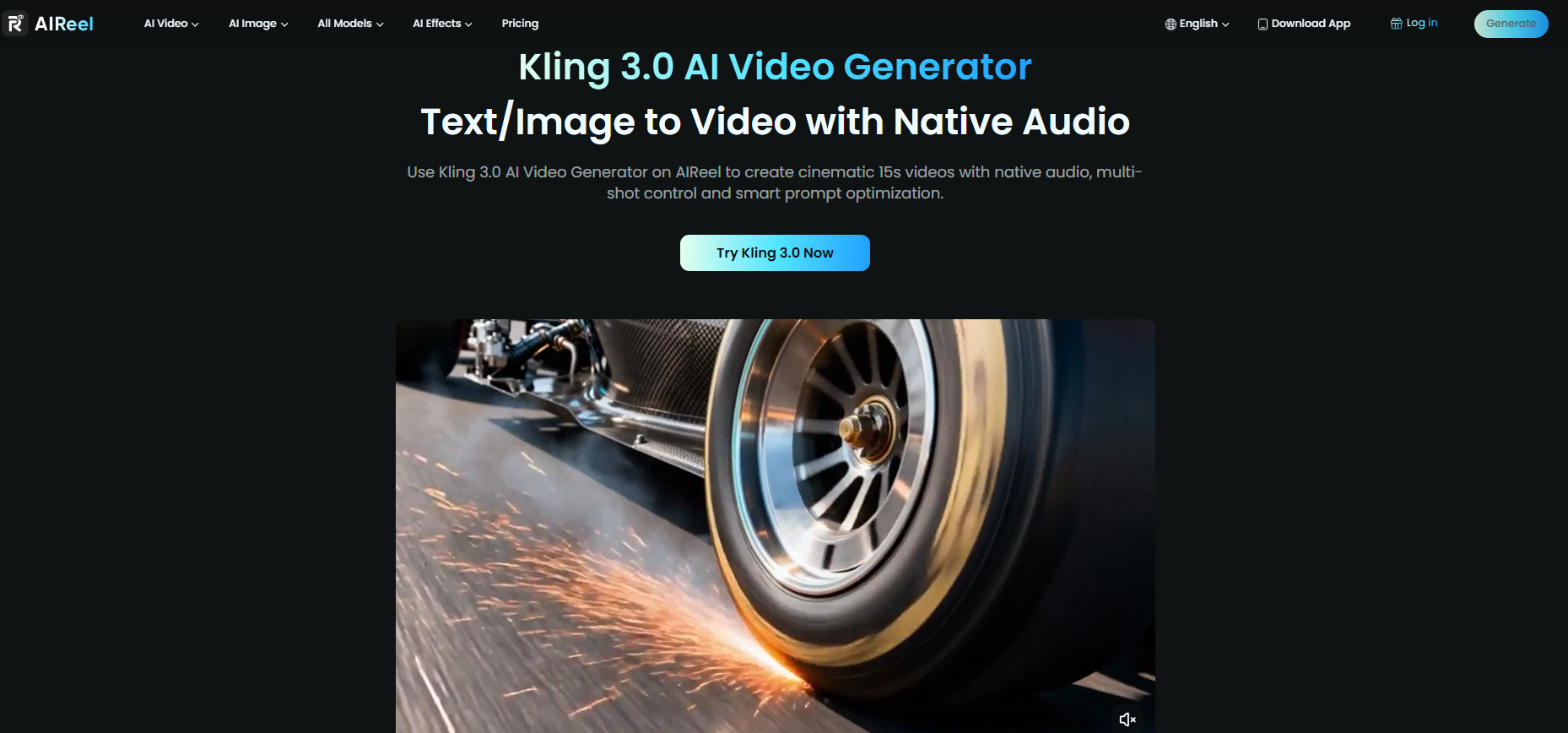
Among AI video models, Kuaishou’s Kling platform has gained attention for its realistic motion and cinematic-looking generations.
Many creators use Kling for:
- storytelling clips
- dramatic visuals
- fashion edits
- stylized sequences
- cinematic camera movement
Compared with earlier generations of AI video tools, Kling outputs often appear smoother and more visually polished.
On the downside, Kling renders more slowly than lightweight social-focused tools, and it requires detailed prompting to avoid motion inconsistencies — trade-offs that matter for creators on tight daily schedules.
At the same time, cinematic quality is not always the primary goal for short-form creators.
A creator publishing multiple social videos per day may prioritize speed and volume over highly refined output. For fast-moving social platforms, the ability to quickly test hooks, trends, and formats can sometimes matter more than production-level realism.
That tradeoff explains why different AI video platforms continue to appeal to different types of creators.
Veo Prioritizes Prompt Adherence and Controllability
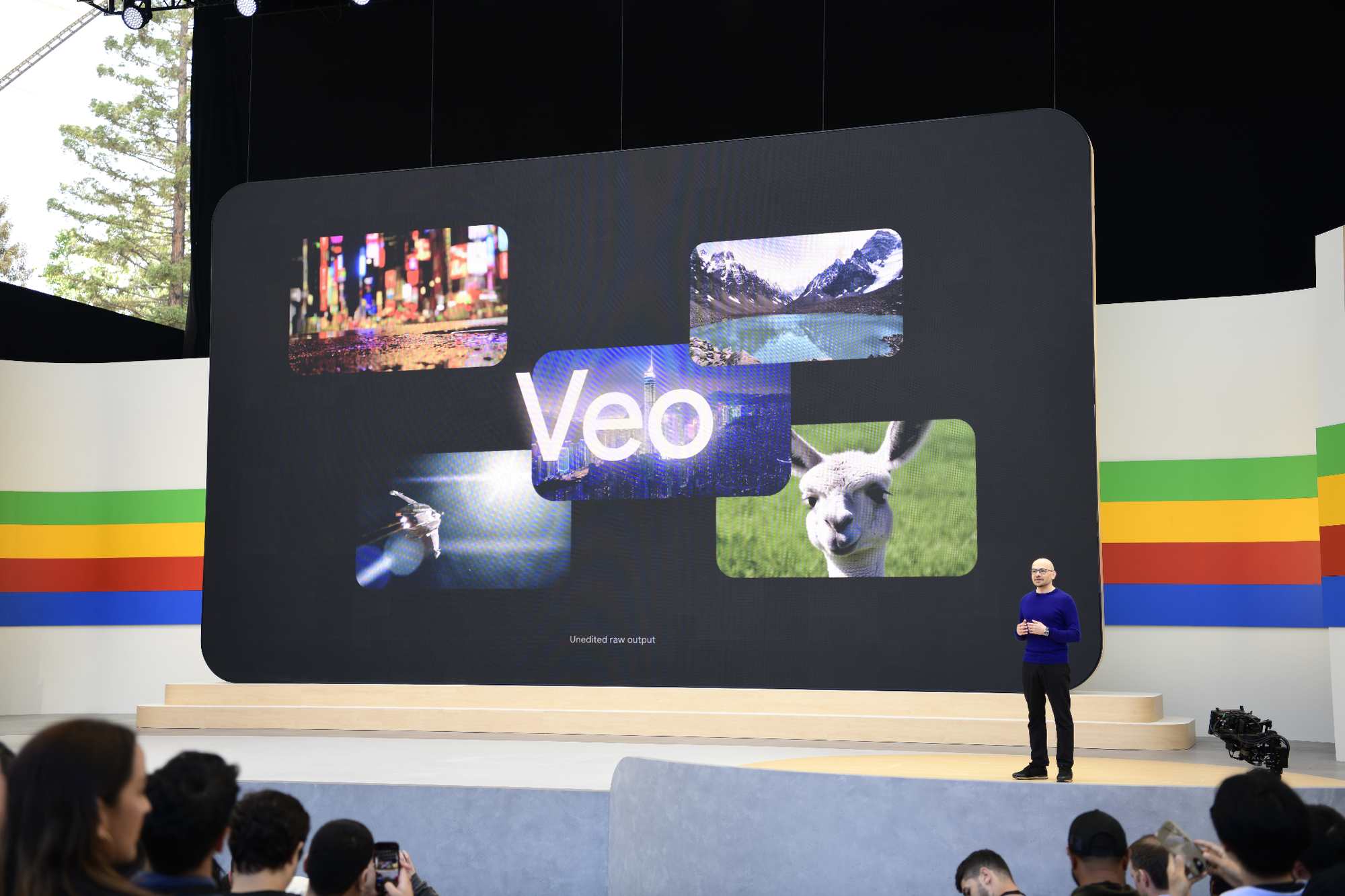
Google’s Veo model has drawn attention for its strong prompt adherence and ability to generate longer, more consistent sequences than many competitors.
Creators working on concept-driven short-form content — such as brand narratives, product demos, or multi-shot storytelling — may find Veo useful because it follows detailed scene descriptions and maintains object permanence across frames.
Veo also supports video generation at resolutions and aspect ratios suitable for vertical platforms.
However, Veo’s availability remains more limited than other models; access is primarily through whitelisted platforms or waiting lists, which prevents many short-form creators from integrating it into daily workflows.
Runway Continues to Appeal to More Advanced Creative Workflows
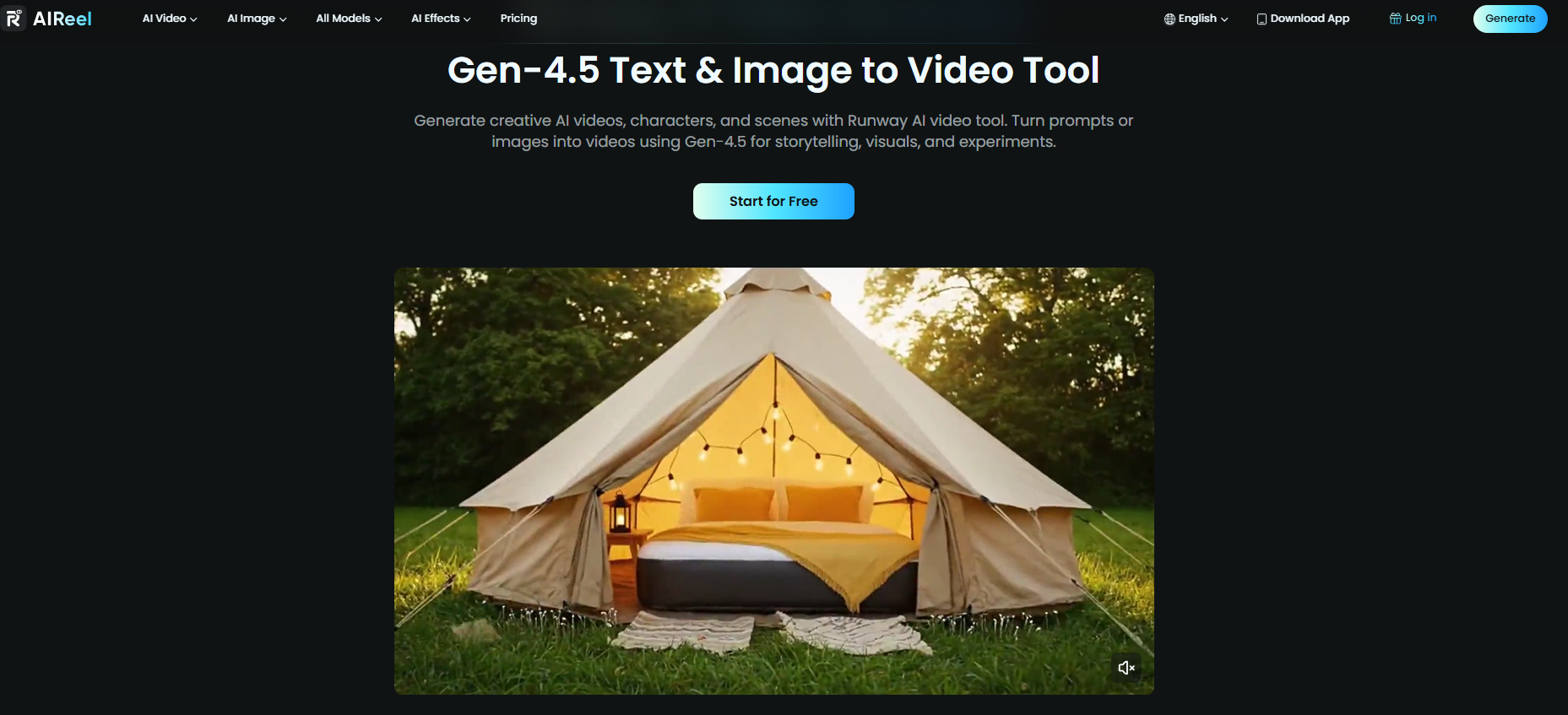
Runway remains one of the most recognized names in AI video because of its broader creative toolkit.
Unlike lightweight generation-focused apps, Runway includes editing-oriented features that appeal to filmmakers, agencies, designers, and creators looking for more control over visual output.
For longer-form storytelling or more advanced production workflows, that flexibility can be valuable.
However, some short-form creators prefer tools with simpler interfaces and faster generation cycles, especially when producing large amounts of social content quickly.
As AI video adoption grows, the market is gradually splitting between:
- professional creative workflows
- fast creator-focused publishing workflows
Both categories continue to evolve rapidly.
Hailuo AI Emphasizes Speed and Accessibility for Social-First Creators
MiniMax’s Hailuo AI has gained traction among short-form creators who prioritize rapid iteration over cinematic polish.
Hailuo generates clips quickly — often in under a minute — and its prompt interface is minimalist, reducing friction when testing multiple hooks or trend-based concepts. The model handles stylized animations and meme-style content reliably, which suits the fast-paced nature of TikTok, Reels, and Shorts.
The tradeoff is clear: Hailuo generally produces lower texture detail, less realistic motion, and more frequent artifacts compared to Kling or Veo. It is not designed for high-end storytelling or commercial-grade realism. Creators who need precise camera control or frame consistency will likely find Hailuo limiting, but those focused on volume and speed may consider the tradeoff acceptable.
The “Best” AI Video Platform Depends on the Creator
There is probably no single AI video platform that works perfectly for every creator.
A filmmaker creating cinematic scenes may value realism and camera motion above everything else. A performance marketer may care more about rapid ad iteration. A TikTok creator might prioritize speed, vertical formatting, and trend adaptation.
As a result, different tools are becoming associated with different use cases:
- Kling for cinematic-style visuals
- Runway for advanced editing workflows
- Hailuo for fast social content
- multi-model platforms for workflow flexibility and accessibility
That diversity is likely to continue as the AI video industry matures.
Instead of one dominant platform replacing all others, creators may increasingly combine multiple AI tools depending on the type of content they are producing.
Conclusion
As AI video models continue to improve, the conversation is shifting beyond raw generation quality alone.
For many creators, speed, simplicity, and workflow efficiency are becoming just as important as cinematic output — especially when producing TikToks, Reels, Shorts, and social ads at scale.
That growing focus on creator workflows is also helping platforms like AIReel gain attention by bringing multiple AI video tools and short-form creation features into a single platform.


