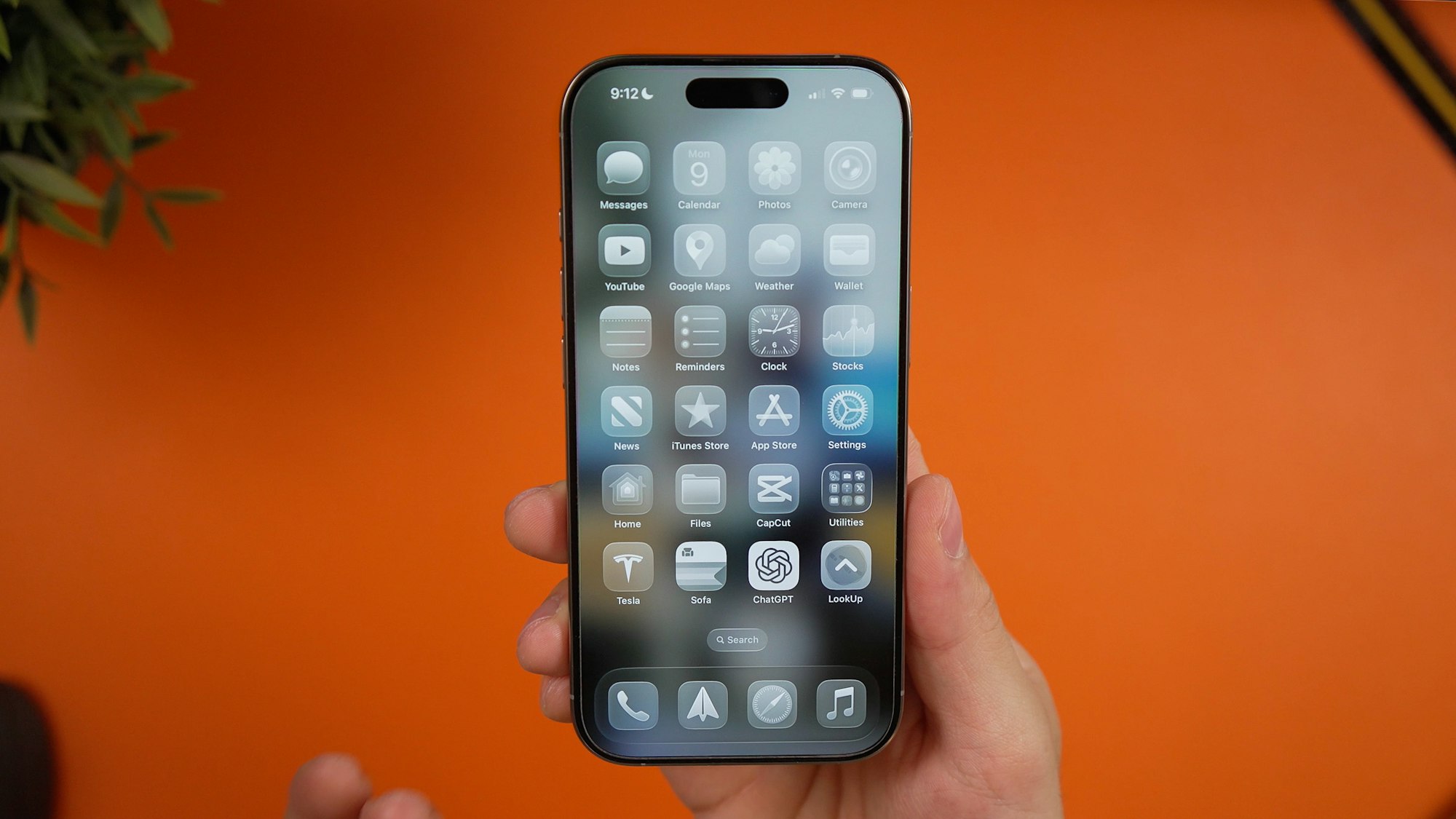
If your iPhone suddenly feels... outdated, well, Apple’s latest update could be the reason.
As of this week, the public betas for iOS 26, iPadOS 26, macOS 26 "Tahoe", and other platforms like watchOS and tvOS, which we first saw at the WWDC25, are now live. Unlike developer betas, these builds are open to anyone with a compatible device and an Apple ID. All you have to do is enroll through Apple’s Beta Software Program website.
This beta release is a pretty big deal, as it comes with the most dramatic visual change since iOS 7, over a decade ago.
For one, iOS 26 introduces a completely new visual style called Liquid Glass, which replaces flat, static UI elements with bouncy, translucent, glass-like animations. It’s flashy, a bit nostalgic (hello, Windows Vista), and it’s not just limited to iPhones—macOS and iPadOS are getting the same aesthetic treatment, making this a platform-wide shift.
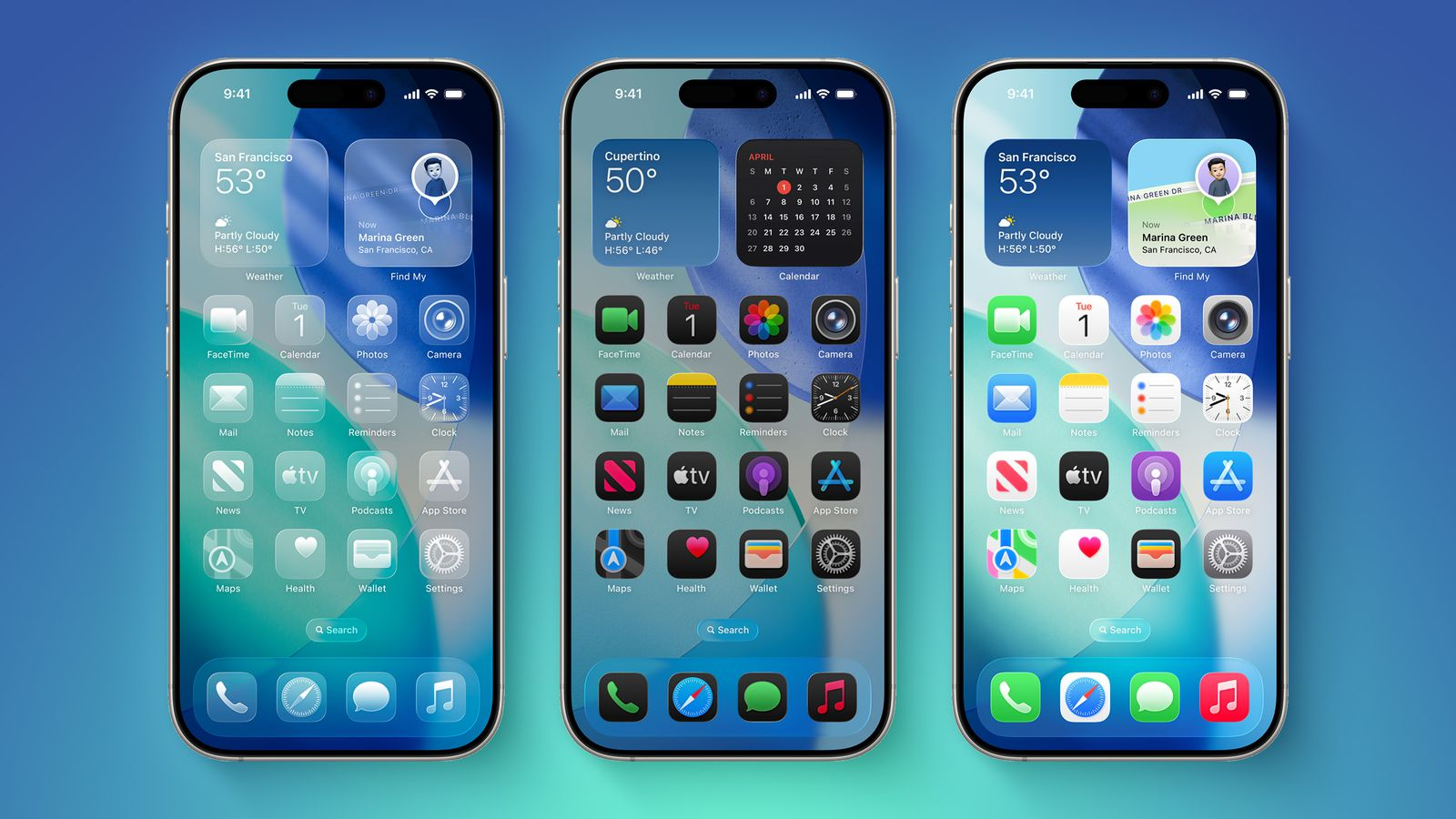
But not everything is cosmetic. iMessage and FaceTime now support real-time translation, Apple Music gains a DJ-style AutoMix feature, and iPhone users can run visual searches from screenshots to find similar objects online. There’s even a new spatial scene photo mode and a native Apple Games app. As for AI, early features like Visual Intelligence are here, but the long-promised Siri upgrade is still missing and isn’t expected until 2026.
 Ogbonda Chivumnovu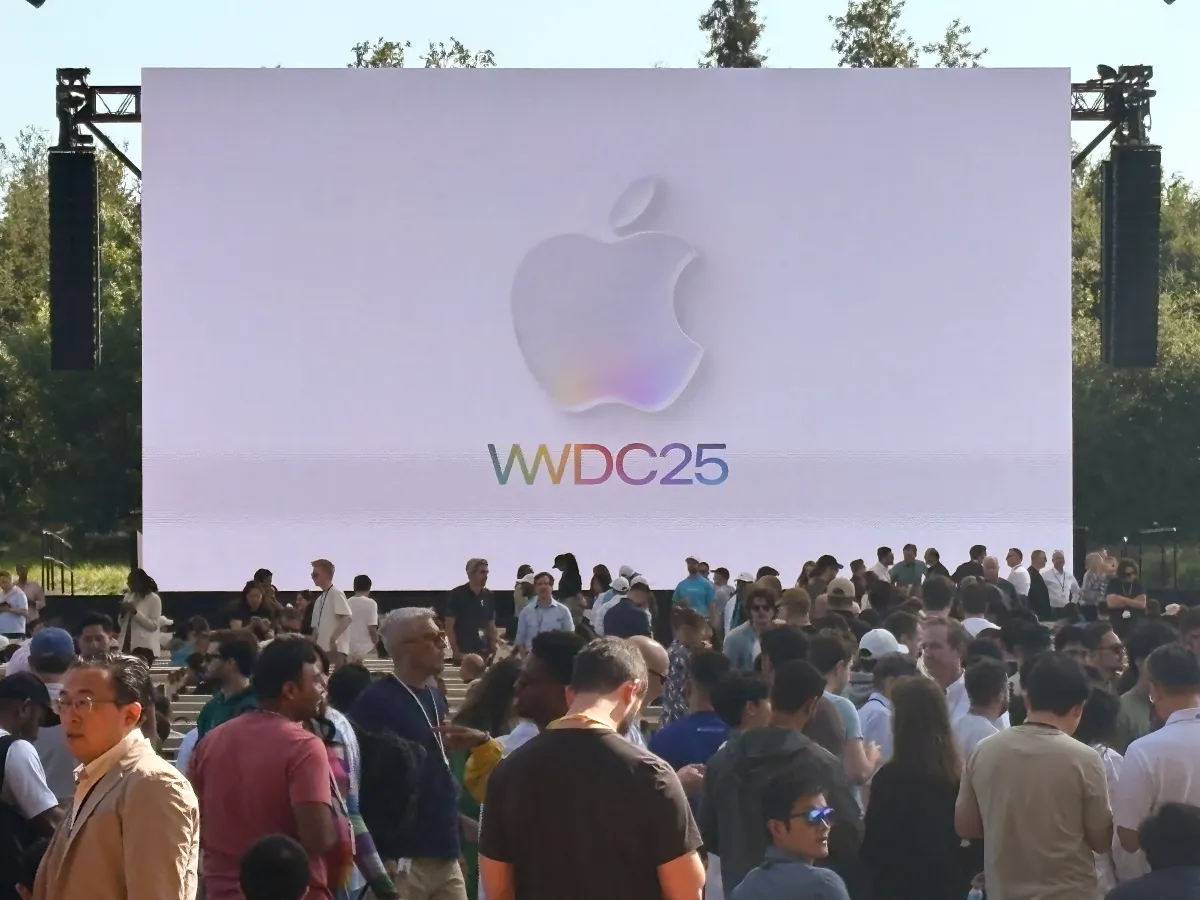
Still, this beta isn't for the faint of heart. Apple warns that bugs, battery drains, and app crashes are part of the ride. It’s not something you’d want to install on your main phone or work laptop unless you’re okay with the occasional glitch.
To try iOS 26 or any of the other betas, just head to Apple’s public beta site, sign in with your Apple ID, and follow the steps under Settings > General > Software Update > Beta Updates. But keep in mind, the iOS 26 public beta update is compatible with iPhones from the iPhone 11 series and newer, including the iPhone SE (2nd generation) and later.
From what I’ve seen, the update feels like Apple is finally breaking out of its design comfort zone. If this is the direction things are headed, I’m curious and cautiously optimistic about what the final release will look like in September 2025.
 Emmanuel Oyedeji