Apple is ditching Siri as we know it and replacing it with a full conversational AI chatbot, a new report in Bloomberg claims.
The project, code-named Campos within the company, is expected to launch this fall with iOS 27, iPadOS 27 (code-named “Rave”), and macOS 27 (code-named “Fizz”). According to the report, the company is working on making it a ChatGPT-style assistant that can hold natural conversations, generate images, analyse files, control apps, and view what’s on your screen.
Users will still activate Campos as they have done with Siri—by saying “Siri” or holding the side button—but functions will be more expansive.
It’s a dramatic shift that contradicts what Apple’s senior vice president Craig Federighi told staff just months ago. “Building a chatbot was never our goal,” Federighi said earlier, insisting Apple wanted AI “integrated so it’s there within reach whenever you need it” rather than forcing users into a standalone chat experience. But market reality changed that calculation. While Apple delayed and debated, ChatGPT became many people’s default starting point for information.
 Damilare Odedina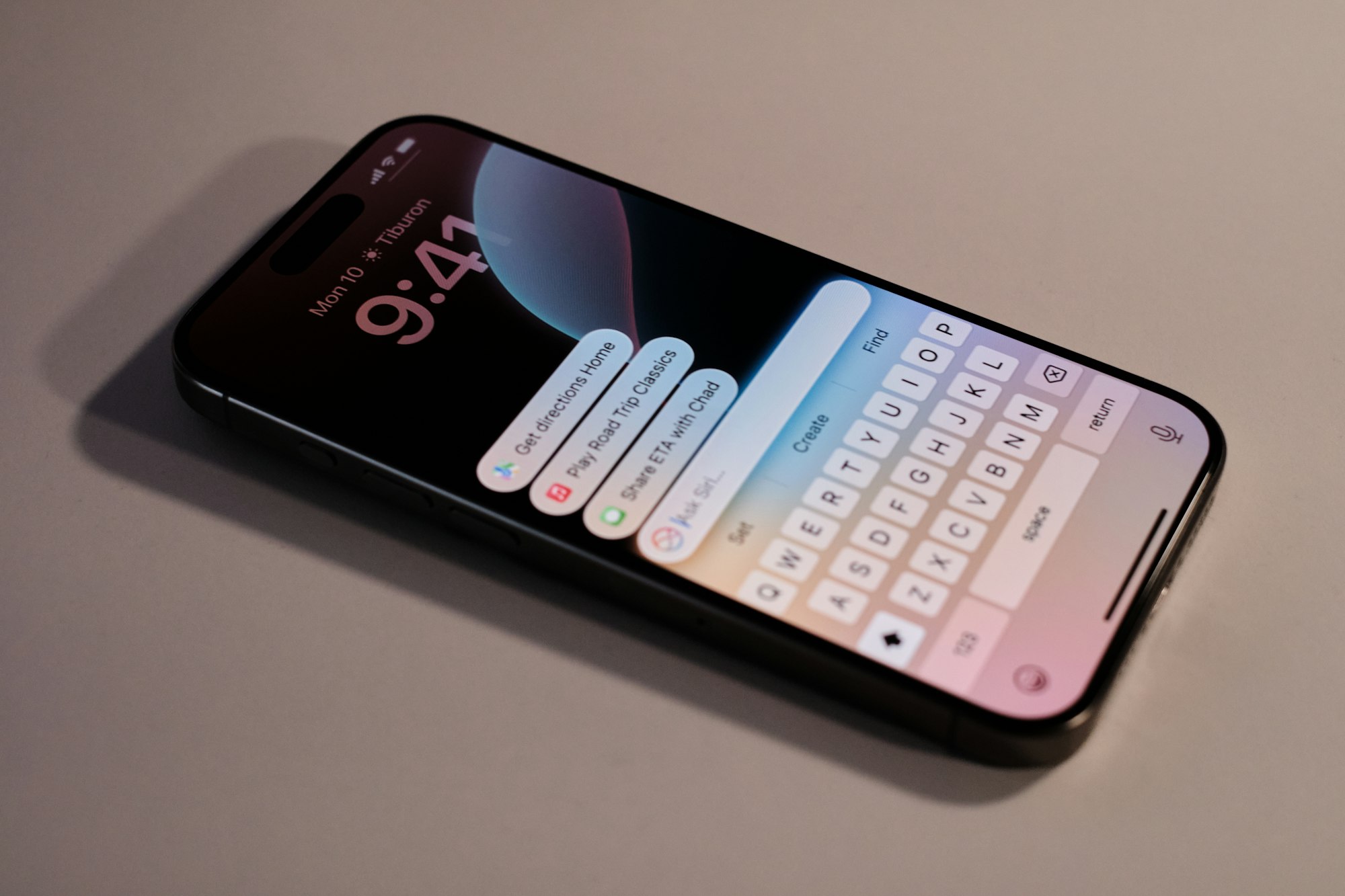
What Campos Actually Does
The chatbot is expected to integrate deeply across all Apple apps—Photos, Mail, Messages, Music, even Xcode (an apple native tool developers use to build apps for the App store). Unlike the Siri, which handles specific commands, Campos could work like ChatGPT or Claude, holding back-and-forth conversations to complete complex tasks.
Potential capabilities for Campos include:
- Analysing on-screen content and adjusting settings based on what it sees
- Generating images, summarizing documents, and helping with code
- Controlling apps across the operating system
- Searching the web and pulling information from uploaded files
- Processing both voice commands and typed conversations
One particularly novel feature from the Bloomberg reports is that Campos might be able to react to command—like launching apps or changing settings.
Apple is expected to showcase this new “Campos” project at WWDC in June 2026, with a full consumer rollout expected alongside the iPhone 18 line up in September. However, the company is speculated to first roll out iOS 26.4 with a more modest Siri update which will offer a preview, but not the full chatbot experience.

Apple’s billion-dollar bet on Google’s AI
Behind the scenes, Apple is making a notable compromise: Campos will run on a custom model built by Google’s Gemini team, known internally as Apple Foundation Models version 11. Apple is reportedly paying Google around a rumoured $1 billion annually for access to these models, which could see some processing happen on Google’s cloud servers using TPUs—a significant departure from Apple’s traditional on-device approach.
The partnership reflects just how far behind Apple fell as Google’s Gemini and Anthropic’s Claude kept gaining wide adoption. Apple Intelligence, the company’s initial AI offering, launched to underwhelming reception and multiple delays.
The privacy compromise Apple hoped to avoid
There’s one area where Apple might hold its ground: privacy. ChatGPT and Claude can remember past conversations for personalization, but Apple is considering limits on how much Siri will remember to protect privacy. It’s a trade-off that reflects the tension at the heart of this entire project—how to compete in AI without abandoning the privacy principles that have defined Apple’s brand.
The irony isn’t lost. Apple spent years positioning itself as the privacy-first alternative to Google and others who monetize user data. Now it will pay Google to power the next generation of Siri, and potentially processing some queries on Google’s servers. The company says user data will remain separate and protected, but the optics are complicated.
“Apple Intelligence will continue to run on Apple devices and Private Cloud Compute, while maintaining Apple's industry-leading privacy standards,” Google shared in the Joint announcement.
If Campos succeeds, it could redefine how people interact with their devices and help Apple catch up in a long shot AI race. If it stumbles—or if the privacy compromises become too visible—Apple risks undermining the very principles that once set it apart.
 Ejiro Onose