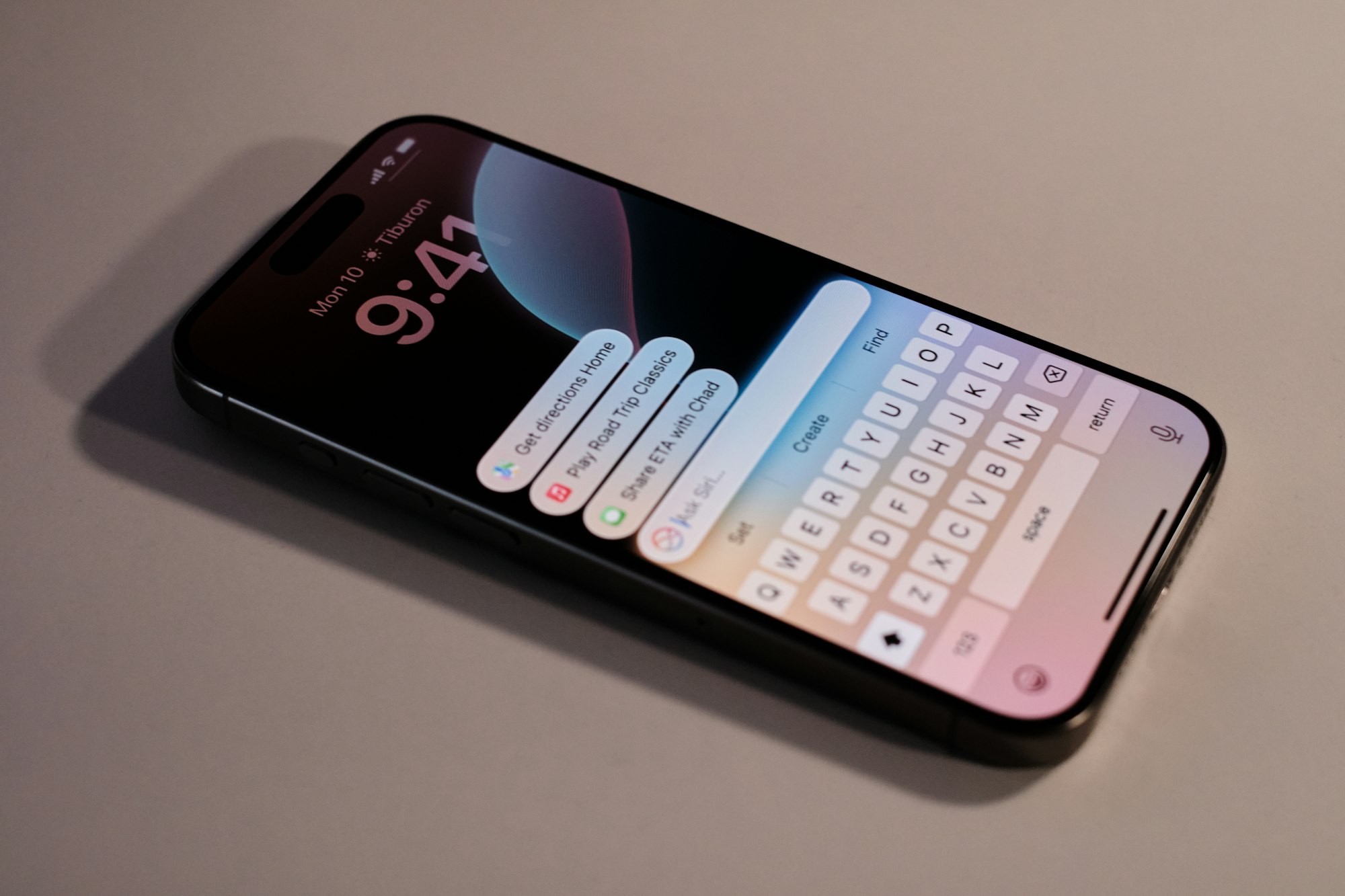
Apple is entering a new phase in its AI journey. On Monday, the company announced that John Giannandrea, who has overseen Apple’s AI efforts since 2018, is stepping down from his leadership role. He'll remain as an adviser through the spring, but the work now moves to Amar Subramanya, a longtime engineering leader with experience at both Google and Microsoft.
Subramanya most recently ran engineering for Google Gemini, which gives Apple a rare inside view of one of its toughest competitors. The timing of this makes sense. Apple Intelligence, the company’s big push to match the wave of ChatGPT-style products, has struggled since it launched in October 2024.
Its notification summary feature was supposed to condense alerts into simple summaries, but it generated false headlines instead. One summary incorrectly claimed that a darts player had won a championship before the final match began. Another falsely stated that a man accused of killing UnitedHealthcare’s CEO had shot himself, prompting corrections from the BBC.
 Kelechi Edeh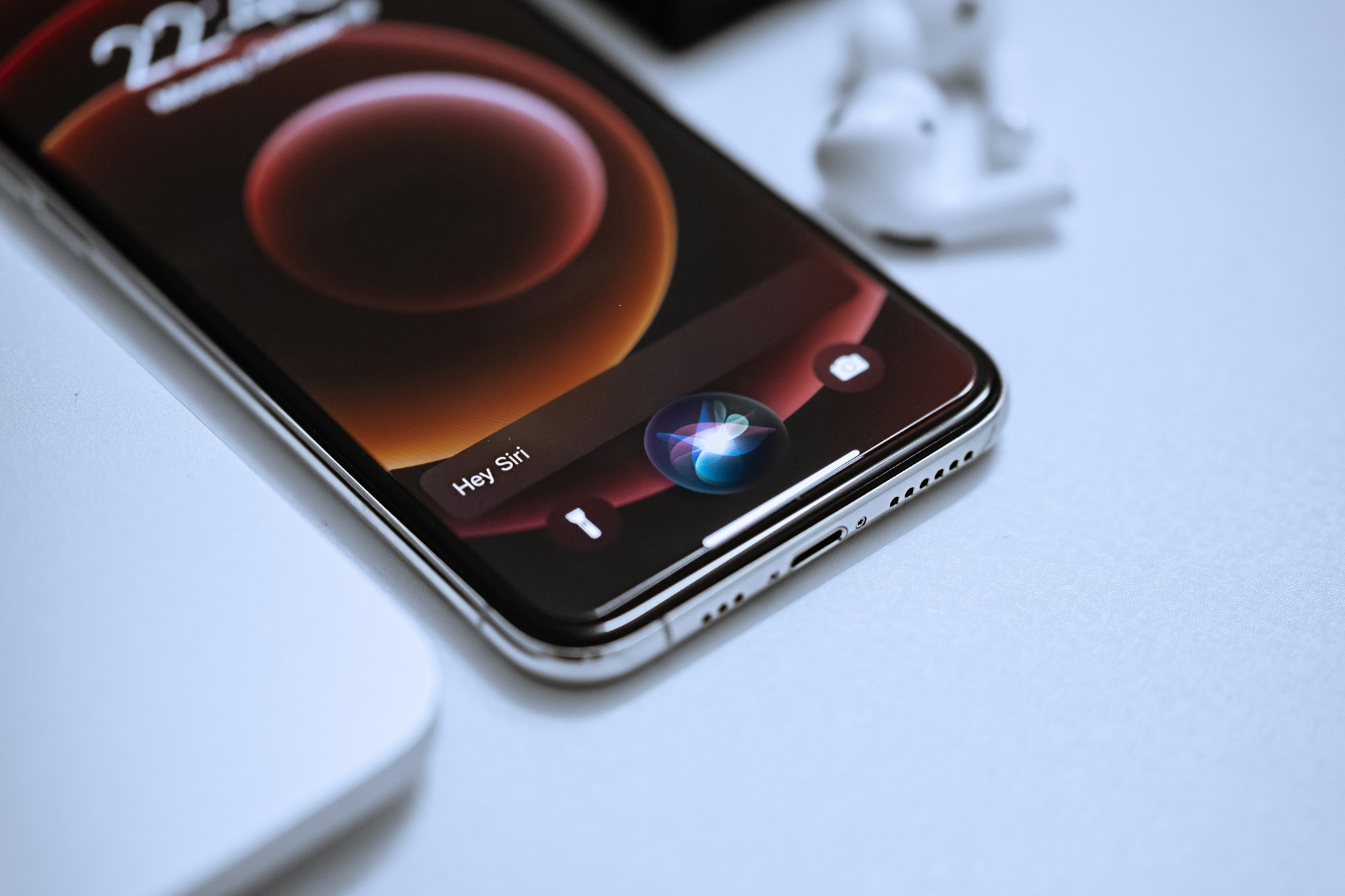
Siri’s planned upgrade also ran into trouble. A Bloomberg investigation last May found that many of the new features failed during internal testing. The launch was delayed, and iPhone 16 buyers filed class-action lawsuits because they expected an AI-powered assistant that never arrived. Around the same time, Siri was moved under Mike Rockwell, the executive behind Apple Vision Pro, and Giannandrea lost oversight of Apple’s robotics team.
The investigation described deeper issues, too. Teams struggled to communicate, budgets were misaligned, and staff joked that the AI division should be called “AI/MLess.” Several prominent researchers left the company for Google, OpenAI, and Meta.
 Emmanuel Umahi
Subramanya now steps in with a straightforward challenge: help Apple catch up. Reports suggest Apple may rely on Google Gemini to boost the next version of Siri, a significant shift for a company that has spent years positioning Google as a direct competitor across hardware, services, and cloud systems.
Apple’s approach to AI has always been different from the industry’s standard. While rivals rely on massive data centers to train and deliver large models, Apple prefers to keep as much processing as possible on the device using its custom Silicon chips. This protects user privacy because data rarely leaves the iPhone, and anything that does is processed on servers designed to delete it immediately.
The takeaway
Apple's privacy-first strategy has advantages but also limits. On-device models are smaller and less powerful, and the company's reluctance to collect broad user data means its systems are trained on licensing deals and synthetic datasets.
That makes it harder to match the scale and speed of competitors who train on vast amounts of real-world information. Subramanya’s arrival marks a turning point. The question now is whether Apple can close the gap without abandoning the principles that have shaped its entire approach to AI.
 Ogbonda Chivumnovu