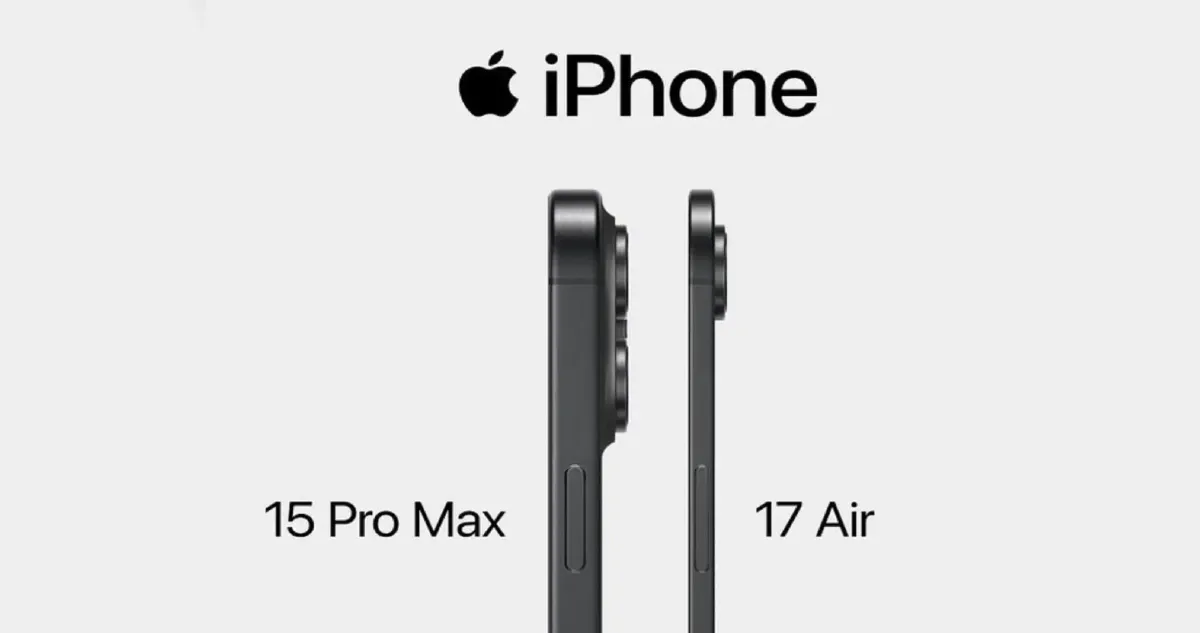
The iPhone Air has disappeared from Apple’s near-term plans, according to The Information. Originally launched in September 2025 as a lighter, ultra-slim alternative to the regular lineup, it promised a minimalist take on the flagship iPhone, but it hasn’t sparked the excitement Apple expected.
Apple had reportedly planned a second-generation Air for fall 2026, with a bigger battery, lighter frame, and a vapor chamber like the iPhone 17 Pro series. That plan is now on hold, and production of the current model has been sharply reduced.
Nikkei Asia reports that output is now “borderline end-of-production,” a fraction of the 10–15% of iPhone 17 units it was supposed to represent. The fall 2026 lineup will instead focus on the iPhone 18 Pro and the foldable iPhone, with the iPhone 18 and 18E possibly delayed until spring 2027. Sources say the Air could still make a comeback then, but nothing is confirmed.
The delay suggests that Apple might be reconsidering whether the Air’s slim design is worth the compromises it brings. The Air’s ultra-thin design came with some compromises, affecting battery life, cameras, and day-to-day usability. While the phone carries the same A19 Pro chip and a 6.5-inch 120Hz Super Retina XDR display as its flagship siblings, these specs haven’t been enough to turn it into a must-have. For users, that means anyone hoping for a lightweight, high-performance iPhone next year may have to wait, as Apple shifts attention back to its Pro models and its upcoming foldable.
Apple isn’t the only one hitting pause on its slim-phone experiments. Samsung may have scrapped the S26 Edge. According to Korean site Newspim and fansite , rumours have suggested the Edge would replace the Plus in next year’s S26 lineup, but weak sales for the first slim model may have forced a rethink, bringing the Plus back instead. Both cases show that ultra-thin flagship designs are riskier than expected, with audience demand failing to match design ambitions.
 Louis Eriakha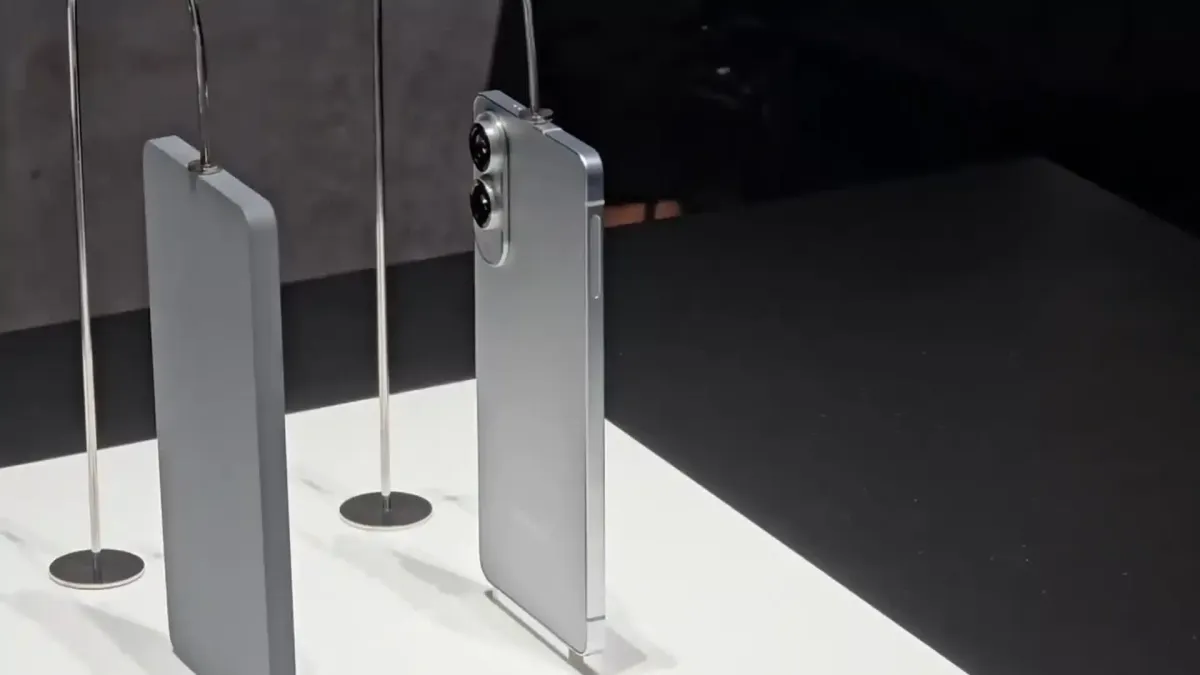
Sales have been softer than expected, and regulatory hurdles in China, where the Air is sold only with eSIM support, slowed pre-orders. Analysts suggest that while the phone’s slim design appeals to a niche audience, it hasn’t resonated with the broader market. Essentially, Apple delivered flagship power in a slimmer shell, but the audience for that shell hasn’t fully materialized.
There’s still hope for the Air. Apple might reintroduce it in spring 2027 with tweaks to battery life, cameras, or other usability features. For now, the company seems content to focus on its traditional lineup while taking a more cautious approach to this experimental design. For anyone craving a super-slim iPhone today, patience, and modest expectations are probably the best approach.
Emmanuel Oyedeji