In a world where AI is reshaping everything and wearables are the next frontier, Apple is betting that control over its silicon will be the key to staying ahead. And right now, it’s putting that strategy to work on a new generation of processors designed to power the next wave of its hardware ecosystem.
According to Bloomberg, the company is working on a new wave of in-house processors to power future Macs, AI servers, and—most notably—smart glasses. These glasses won’t be full augmented reality devices yet, but they’ll offer voice commands, audio playback, and camera features. A custom chip, reportedly based on the ultra-efficient Apple Watch processor, is in development to support these features while keeping power consumption low. Production could begin as soon as late 2026.
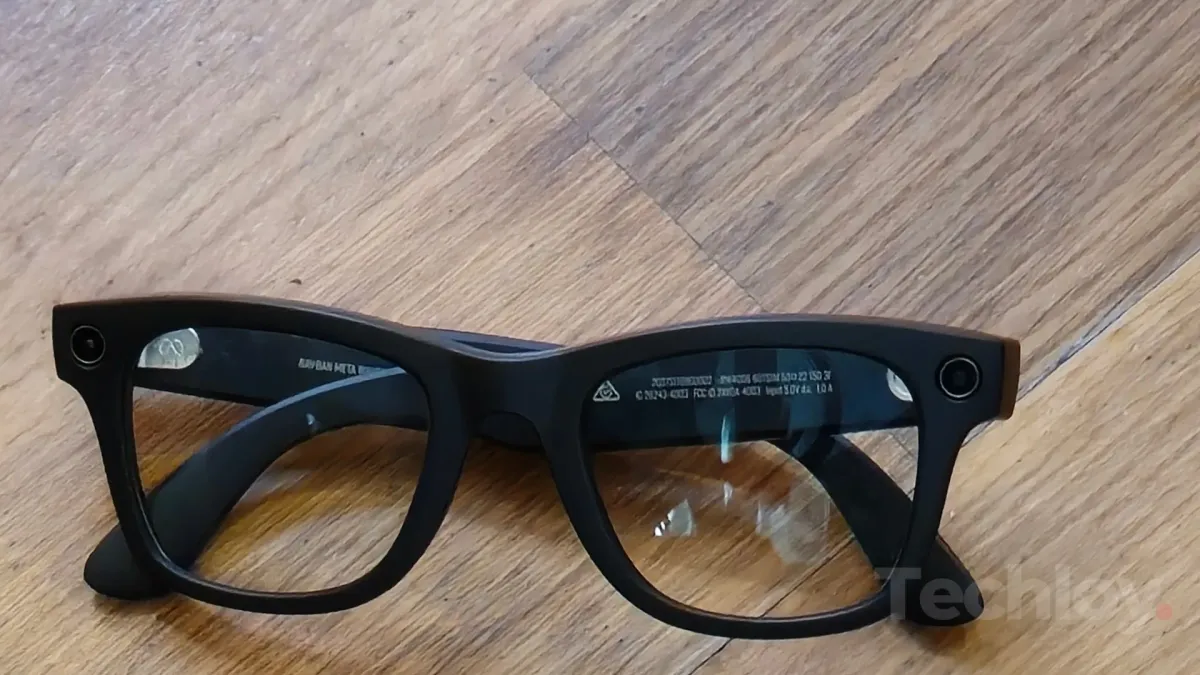
The smart glasses, internally codenamed N401 (formerly N50), have gained urgency as Meta’s Ray-Ban smart glasses have started to gain traction, selling around two million units since 2023. The push into smart glasses is reportedly personal for CEO Tim Cook, who’s apparently determined to beat Meta in the category.
 Emmanuel Oyedeji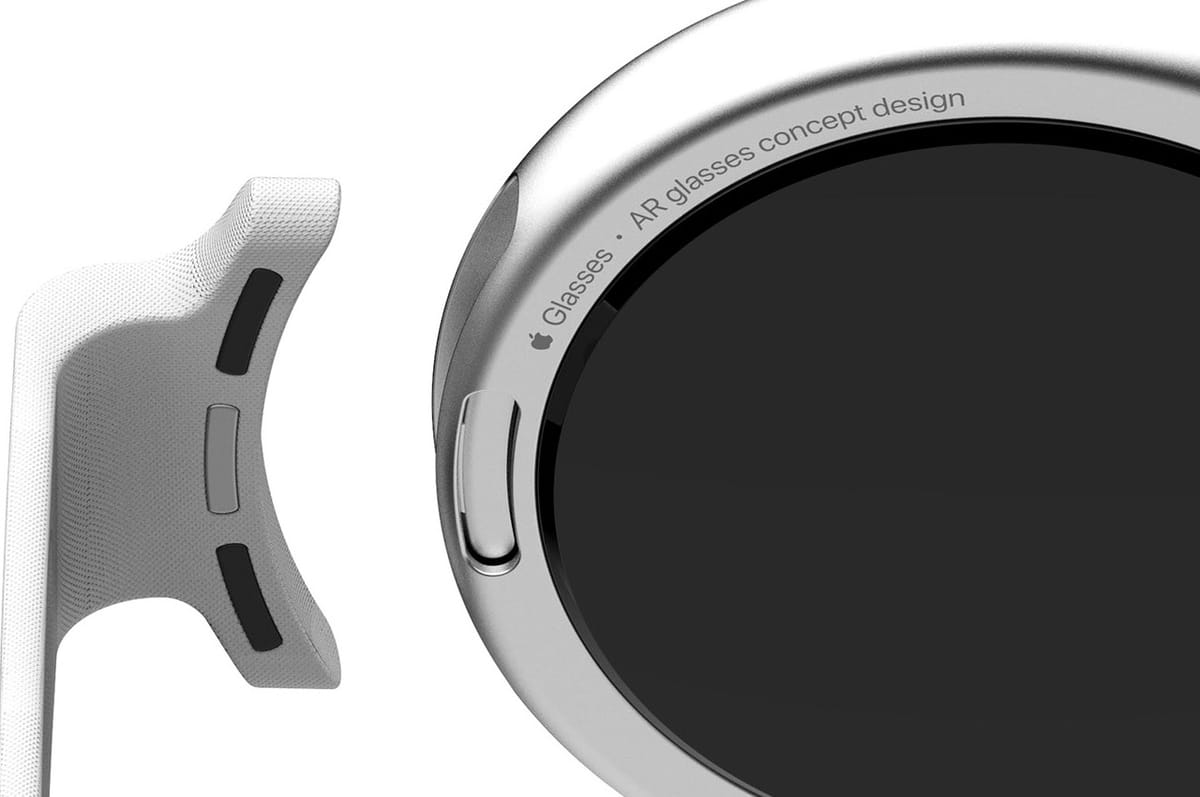
While Meta’s roadmap includes fully AR-capable glasses by 2027, with rumours of facial recognition features, Apple’s first attempt won’t deliver full AR, but it’s a clear step toward that goal.
Alongside the glasses chip, the company is also reportedly developing next-gen Mac processors—the M6, M7, and a high-performance variant called Sotra. These chips are expected to bring major performance gains, with M5 models already lined up for the next iPad Pro and MacBook Pro refreshes later this year.
Then there’s AI. Apple is developing a server-grade chip, codenamed Baltra, to support its upcoming Apple Intelligence platform. This chip could deliver up to eight times the processing power of the M3 Ultra, significantly boosting Apple’s AI capabilities. The target completion date is 2027, putting Apple in closer competition with leaders like Nvidia and emerging rivals such as Huawei.
This all fits Apple’s long-term play: own the full stack, from hardware to software to silicon. Earlier this year, the company shipped its first in-house modem chip for the iPhone 16e. The company has already planned a faster version for 2026.
Apple, as usual, hasn’t commented. But its moves make the message clear: the next era of tech, from AI to wearables, will be shaped by the companies that control the chips. And Apple intends to be one of them.
 Oluwaseun Bamisile