



When Apple CEO Tim Cook hinted at a big week ahead last week Friday, speculation went into overdrive. Now that Apple’s event week has officially started, it’s clear that at least some of those rumours were accurate.
Day one delivered two updates aimed squarely at mainstream buyers: a new iPad Air and the iPhone 17e.
Here's all you need to know:
iPad Air (M4)
Nearly exactly a year after unveiling the M3-powered iPad Air, Apple just dropped the M4 version of the iPad Air, and it’s pretty much in line with all the rumours that had been circulating.
We get two versions — an 11-inch and a 13-inch model — with storage on both starting at 128GB and going all the way up to 1TB. Both sport a Liquid Retina display with an antireflective coating, P3 wide colour, True Tone, and a fully laminated panel.
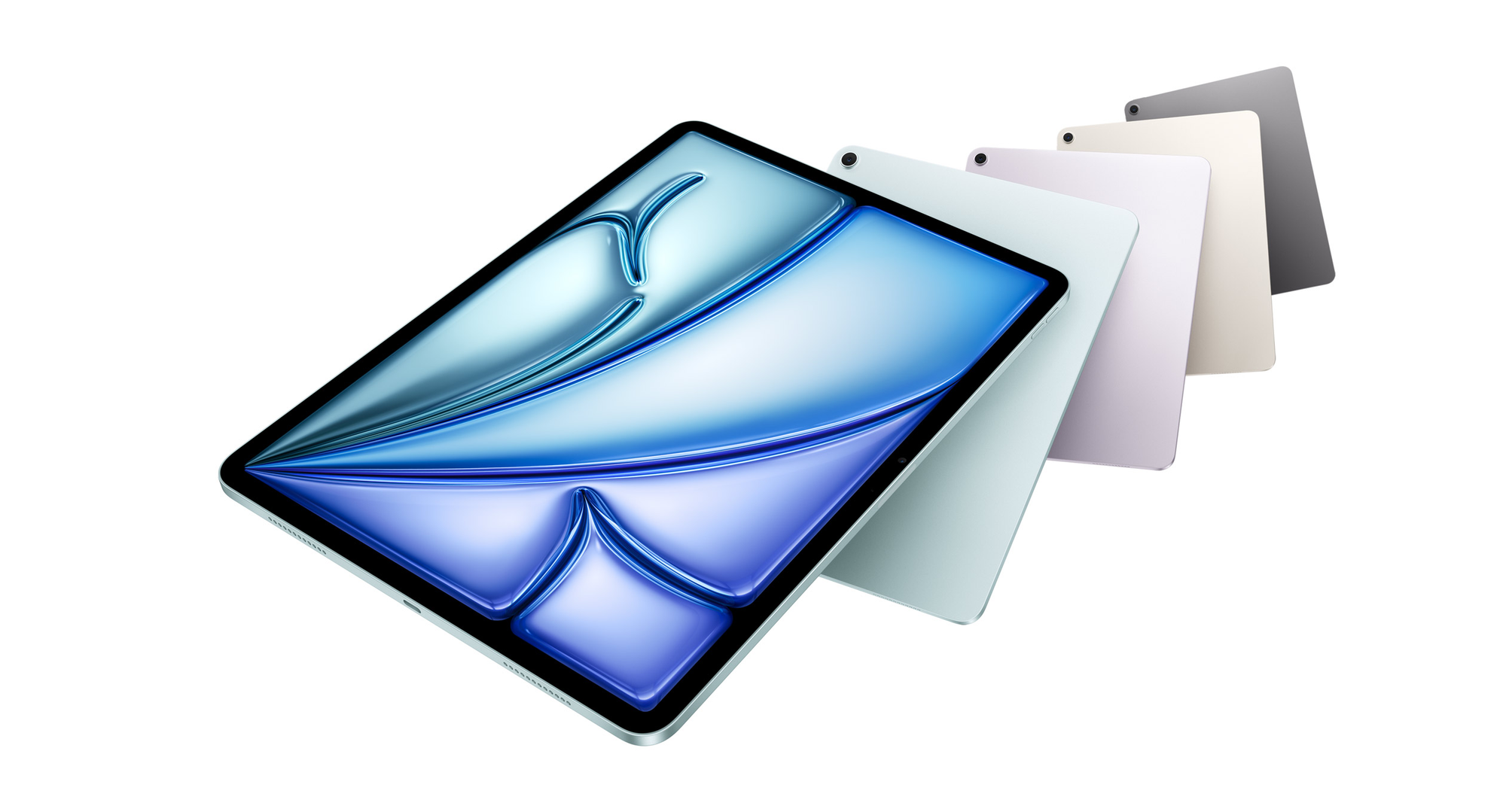
They do not come with the brightest set of displays in the world, with brightness topped at 500 nits on the 11-inch (2360 x 1640 resolution) and 600 nits on the 13-inch (2732 x 2048), but it's still decent enough for most, and the anti-reflective coating should help reduce glare. As usual, the iPads have support for the Apple Pencil Pro and the USB-C Apple Pencil, alongside hover functionality for more precise input.
On the camera front, Apple still sticks to the 12MP wide rear camera capable of capturing 4K video recordings in up to 60fps, and 1080p slow-mo at up to 240fps. You get this alongside a 12MP landscape-oriented Centre Stage camera with support for 1080p video.
Apple claims a battery life consistent with previous models, up to 10 hours of web browsing or video playback on Wi-Fi (9 hours on cellular). While the devices run iPadOS 26 right out of the box.
In terms of design, both sizes are just 6.1mm thin and come in Blue, Purple, Starlight, and Space Gray.
Pricing starts at $599 for the 11-inch model and $799 for the 13-inch model (Wi-Fi variants), with higher prices depending on storage and cellular configuration.
iPhone 17e
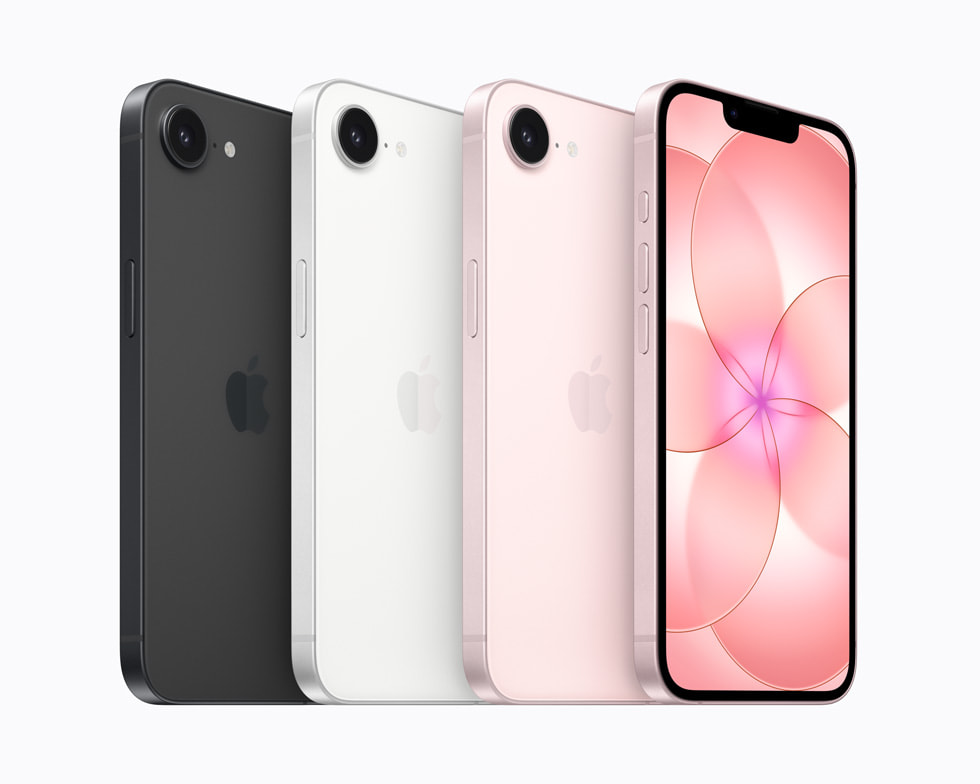
As for the other release, we got the 17e, and this year, compared to the 16e, it feels a lot less like a compromise.
For starters, pricing begins at $599, just like the 16e did. But the first big difference is that storage now starts at 256GB. That’s double what the 16e offered at base, immediately making the 17e offer better long-term value, especially if you shoot a lot of photos or 4K video.
Design-wise, it keeps the 6.1-inch form factor with an aluminium frame and glass back. But Apple has upgraded the front to Ceramic Shield 2, which it claims offers 3x better scratch resistance compared to the previous generation. It’s still IP68 rated for water and dust resistance, so everyday durability shouldn’t be a concern.
The 6.1-inch Super Retina XDR OLED display remains sharp at 2532 x 1170 resolution (1080p), with HDR support, P3 wide colour, and up to 1200 nits peak brightness for HDR content. It’s not a ProMotion panel; this is still a 60Hz display, but it’s bright, colour-accurate, and more than good enough for streaming, gaming, and daily use.
Under the hood, the 17e gets the new A19 chip, which brings it in line with the broader iPhone 17 generation. Compared to the A18 in the 16e, you’re looking at stronger GPU performance, hardware-accelerated ray tracing, and improved Neural Engine capabilities. That matters more now because Apple is leaning heavily into on-device AI. With iOS 26 and Apple Intelligence features baked in, the extra headroom should help the phone age better over time.
It still maintains the same 48MP Fusion camera system from last year with a 2x telephoto option built into the main sensor for optical-quality zoom, but Apple claims processing, Night mode and HDR are all improved. Video is still a strong point too, with 4K Dolby Vision recording up to 60fps, plus features like Audio Mix and wind noise reduction for cleaner clips.
Apple rates it for up to 26 hours of video playback, a slight bump over the 16e, and it now supports MagSafe charging up to 15W. That’s a big upgrade if you’re coming from the 16e’s slower 7.5W wireless charging. You still get USB-C, but it’s USB 2 speeds (up to 480Mb/s), so don’t expect Pro-level data transfer rates.
Overall, the 17e doesn’t radically reinvent the “e” formula, but it's a much-requested step up from what the 16e was.


