



Day 2 of Apple’s special launch week is here, and the focus has officially shifted to Macs. With just one day left before the Apple Special Experience wraps up, the company has rolled out a fresh lineup of power-focused machines and upgrades.
Here’s everything Apple unveiled:
M5 Pro and M5 Max: Apple’s new power engines
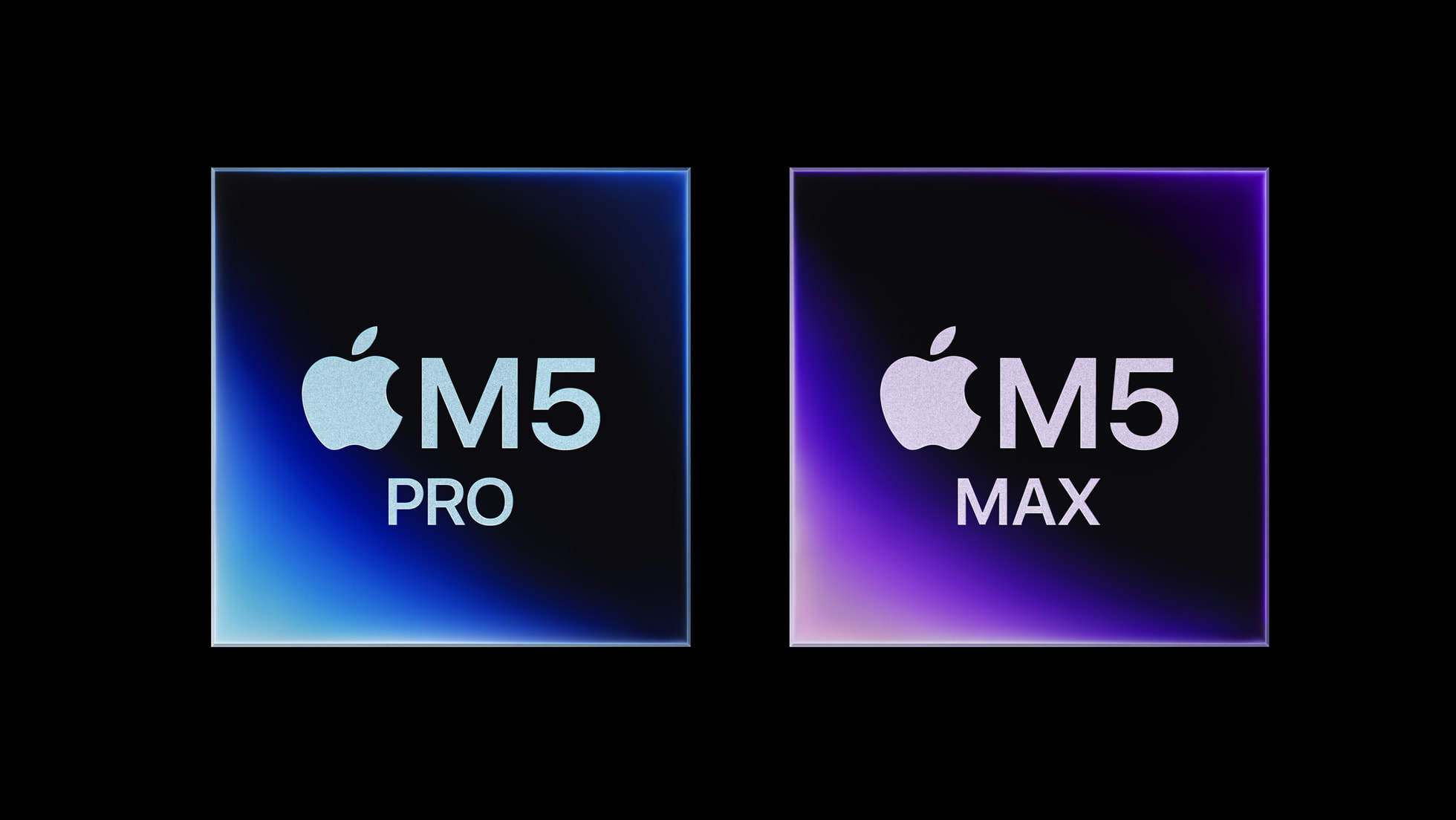
Apple has continued its standard staggered launch cycles with the announcement of the M5 Pro and M5 Max chips.
This release has come to stand in as the backbone for pretty much every other thing that just got announced. These are the latest additions to Apple silicon, built specifically for people who push their laptops hard, whether that’s coding, editing, rendering, or running AI models.
At a basic level, these chips are the brains of the new MacBook Pro. What’s new this time is Apple’s updated “Fusion Architecture,” which combines two chip dies into a single system-on-a-chip (SoC). In plain English: it’s a smarter way of packing more power into the same machine without sacrificing battery life.
Both chips come with a new 18-core CPU design, featuring six high-performance “super cores” and 12 efficiency-focused performance cores. That setup is designed to handle demanding, multithreaded tasks, things like compiling large codebases, analyzing datasets, or running complex simulations, while still staying power efficient. Apple is also scaling up the GPU, with the M5 Max offering up to 40 cores, bringing noticeable gains in graphics performance, 3D rendering, and ray tracing.
AI performance is another big focus. With a faster 16-core Neural Engine and higher unified memory bandwidth, the M5 Pro and M5 Max are built to better handle on-device AI workloads, from image generation to large language models, without relying as much on the cloud.
The new MacBook Pro Built to actually use all that power
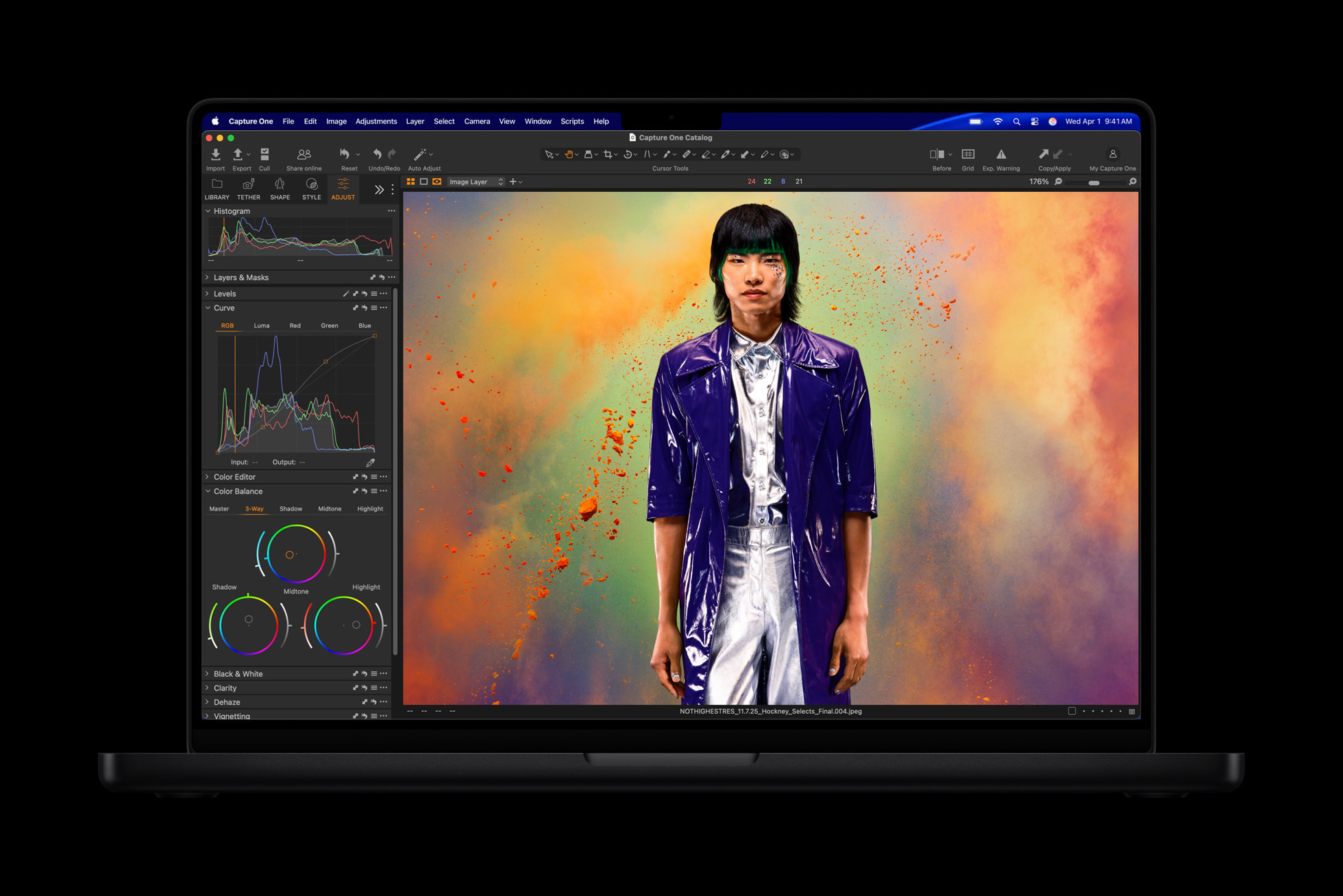
And of course, those new M5 Pro and M5 Max chips needed a home. Enter the latest MacBook Pro, now refreshed in 14-inch and 16-inch versions and clearly aimed at people who want serious performance without compromise.
At a glance, it still looks like the MacBook Pro you know, available in space black and silver, but there are a few key upgrades sprinkled around.
First, storage. Apple has bumped the starting capacity up significantly. The M5 Pro models now start at 1TB, while M5 Max models begin at 2TB, alongside up to 2x faster SSD speeds. If you’re working with 4K or 8K video, massive photo libraries, or large AI models, Apple's giving a little extra headroom.
Battery life is another highlight. Apple is promising up to 24 hours of usage, depending on the configuration, which is huge for a machine this powerful. And unlike many high-performance laptops, it’s designed to deliver full performance even when it’s not plugged in.
The display remains one of the best in the business. You’re getting a Liquid Retina XDR panel with up to 1600 nits peak HDR brightness, ProMotion refresh rates up to 120Hz, and an optional nano-texture finish for reduced glare.
As for pricing, the 14-inch MacBook Pro with M5 Pro starts at $2,199, while the 16-inch version starts at $2,699. If you step up to M5 Max, prices begin at $3,599 for the 14-inch and $3,899 for the 16-inch. There’s also a 14-inch model with the base M5 chip starting at $1,699.
A New M5 Powered MacBook Air
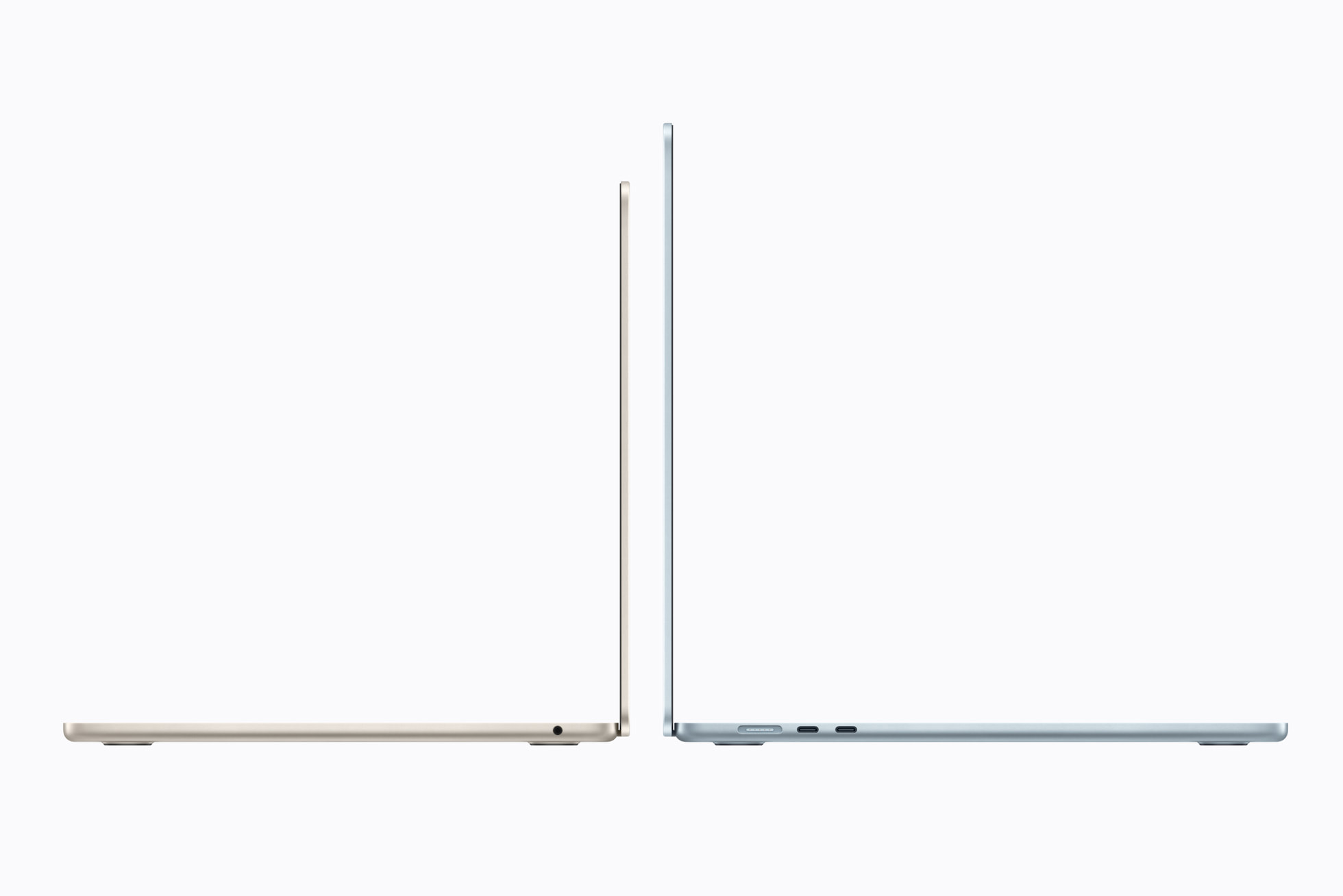
For users who aren't out for the most powerful device in the market but still want a reasonable upgrade, Apple also unveiled a brand-new MacBook Air powered by the M5, bringing those performance and AI upgrades to its thinnest, most popular laptop.
For starters, Apple has doubled the base storage. The new model now starts at 512GB, with options going up to 4TB for the first time. The SSD is also faster, which should make everyday tasks like opening large files, importing photo libraries, or launching apps feel snappier.
Connectivity gets a boost too. The new Apple-designed N1 wireless chip brings Wi-Fi 7 and Bluetooth 6, future-proofing the Air for faster, more reliable connections. You still get two Thunderbolt 4 ports, MagSafe charging, and support for up to two external displays, a big deal for students or professionals who like a multi-monitor setup.
On par with the recent tech theme, Apple is also leaning heavily into AI here. With macOS Tahoe and Apple Intelligence features built in, the MacBook Air is positioned as a lightweight machine that can handle everything from note-taking and content creation to running AI-powered tools and even local language models, without jumping up to the Pro lineup.
Beyond performance, the core experience remains a strong selling point: a bright 13.6- or 15.3-inch Liquid Retina display, a 12MP Center Stage camera for sharper video calls, up to 18 hours of battery life, and a slim aluminum design in four colors.
Studio Display and Studio Display XDR
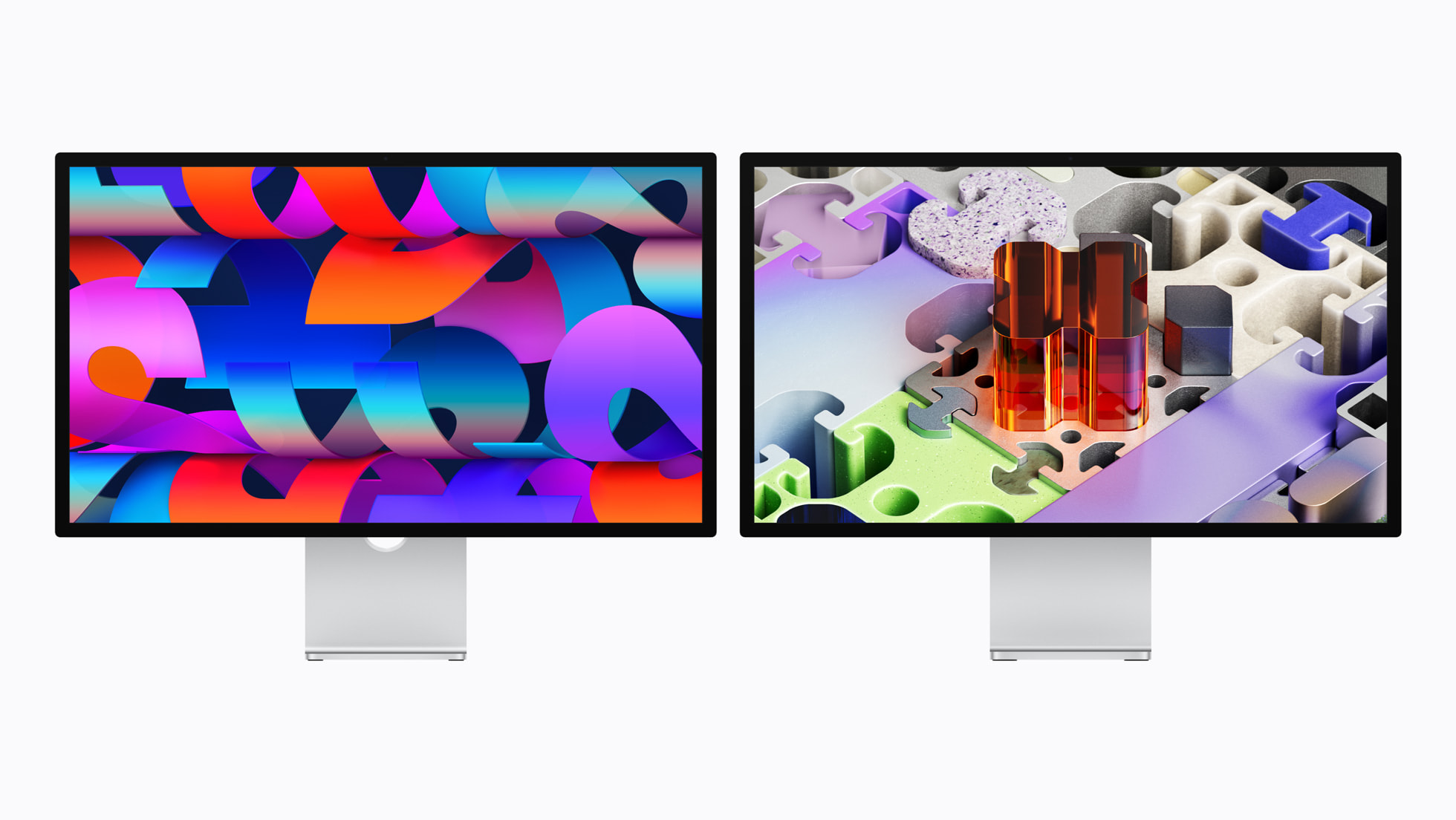
Apple has also refreshed its external monitor lineup with an updated Studio Display and a brand-new Studio Display XDR, both designed to pair seamlessly with the Mac.
The standard Studio Display keeps its sharp 27-inch 5K Retina panel but now adds a better 12MP Center Stage camera with Desk View, improved speakers with deeper bass and Spatial Audio, and, more importantly, Thunderbolt 5. That means faster data speeds, better accessory support, and simple one-cable setups that can charge a MacBook Pro while powering your desk.
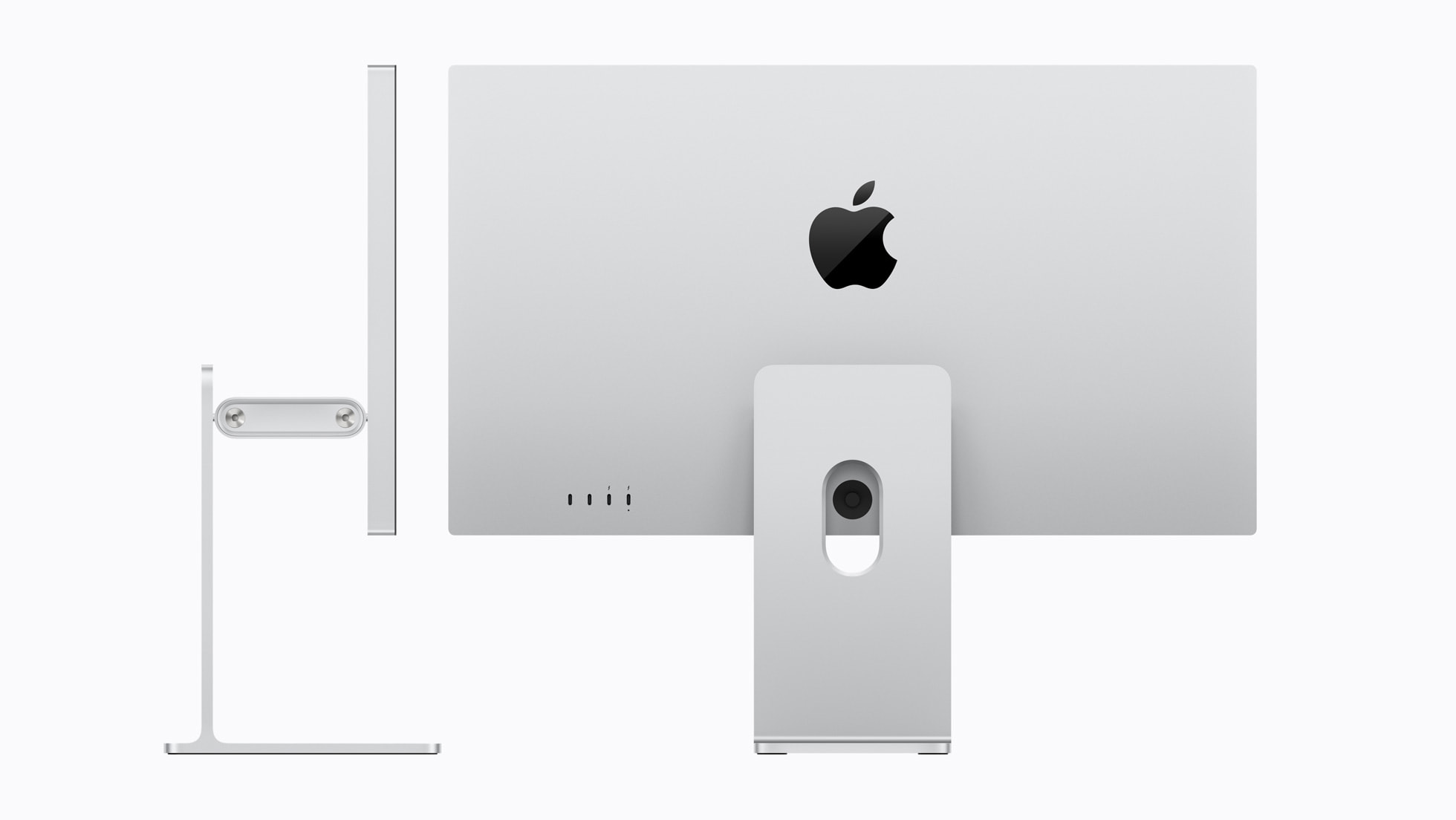
The new Studio Display XDR, on the other hand, is clearly aimed at high-end professionals. It also features a 27-inch 5K display, but this time with a mini-LED backlight, over 2,000 local dimming zones, up to 2000 nits of peak HDR brightness, and a 120Hz refresh rate with Adaptive Sync. In other words, you get deeper blacks, brighter highlights, smoother motion, and more precise color, including support for both P3 and Adobe RGB.


