This year, it’s starting to feel like Apple is deliberately switching up its energy. The company that built its reputation on doing things its own way suddenly looks more open to experimentation, and even collaboration.
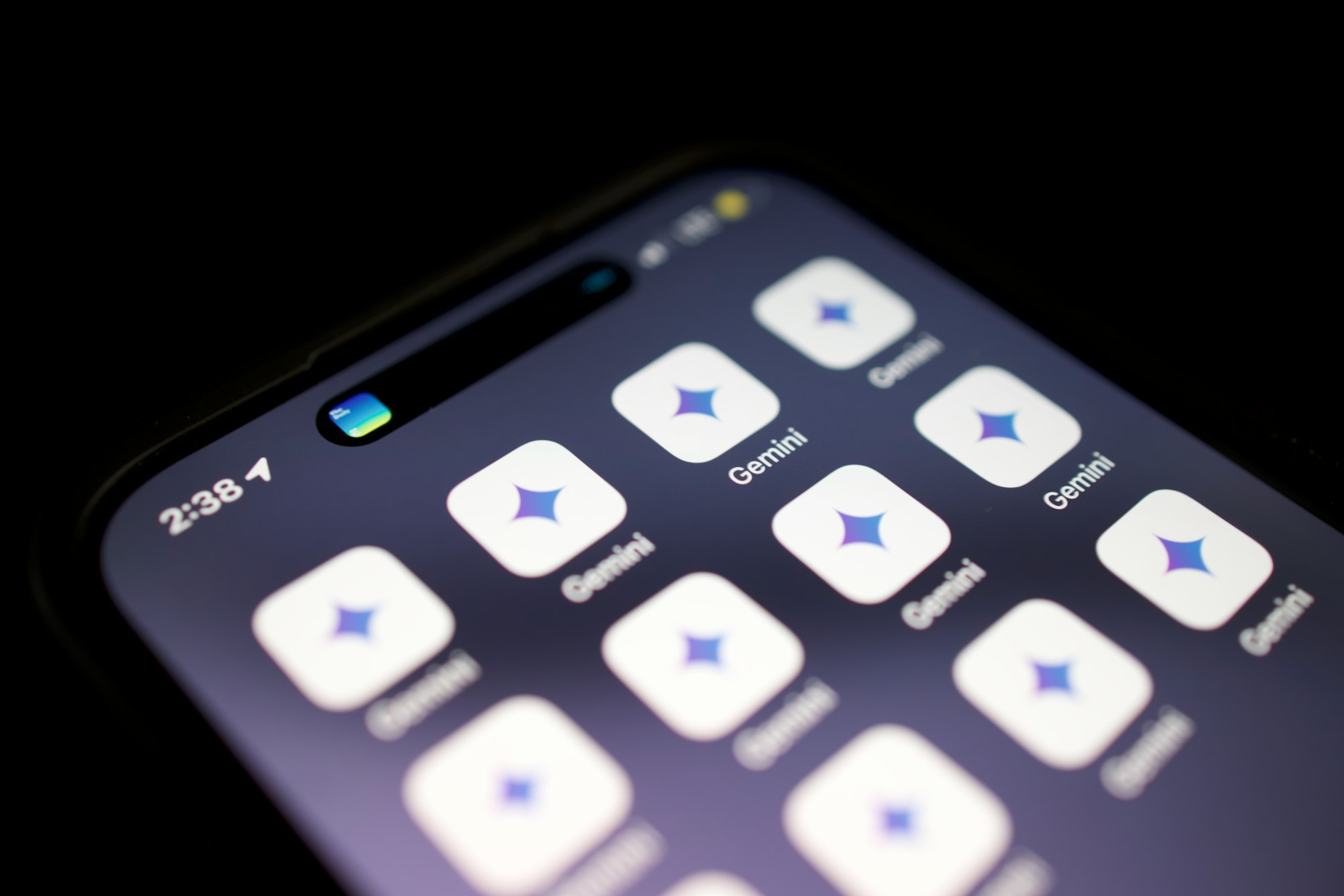
First came the unexpected partnership with Google, aimed at delivering a more “complete” user experience rather than forcing users to live entirely within Apple’s walled garden. Then reports surfaced suggesting Apple may rethink how it launches iPhones each year, potentially staggering releases instead of sticking to its rigid annual cycle.
Now, fresh reports indicate the same shake-up mindset could be coming to the MacBook lineup, too.
 Damilare Odedina
According to Bloomberg’s Mark Gurman, Apple is preparing a wave of Mac updates for the first half of the year, starting with refreshed MacBook Pro, MacBook Air, Mac Studio, and Studio Display models. These updates won’t reinvent the wheel, but they'll keep Apple’s Mac lineup competitive.
The MacBook Pro is expected to pick up new M5 Pro and M5 Max chips, while the MacBook Air will likely get the standard M5. On the desktop side, the Mac Studio is tipped to receive higher-end M5 Max and M5 Ultra variants, reinforcing Apple’s grip on the creator and pro market.
The bigger twist, though, comes later. Apple is reportedly saving a full MacBook Pro redesign for the end of 2026, featuring an OLED display, touch support, a thinner chassis, and even potential cellular connectivity. That redesign is expected to debut with M6 Pro and M6 Max chips, and that’s where the timeline starts to look different from Apple’s usual playbook.
Instead of clean, once-a-year chip generations, Apple now seems comfortable overlapping releases, stretching the M5 lifecycle while quietly prepping M6 for select devices.
Apple’s experimentation doesn’t stop there. Reports also point to a lower-cost MacBook powered by an iPhone-grade chip, likely the A18 Pro. If true, that device could open macOS to a broader audience, much like Chromebooks have done for Google, but with Apple’s ecosystem advantage firmly intact. Pair that with a refreshed Studio Display boasting mini-LED, ProMotion, and HDR support, and it’s clear Apple is attacking multiple price and performance tiers at once.
So far, Apple’s curveballs this year have been surprisingly refreshing. Between unusual partnerships, flexible release schedules, and bold Mac experiments, the company feels less predictable, and that might be a good thing. If this is how the year is starting, it’ll be interesting to see what other surprises Apple has lined up in the months ahead.
 Damilare Odedina