



When a critical control system component fails on your production line, every minute of downtime translates directly into lost revenue, missed deadlines, and frustrated customers.
For facilities running legacy Allen-Bradley PLC-5 systems, the 1785-L80E processor module represents a single point of failure that can bring entire manufacturing operations to a standstill.
The shrinking supply of genuine 1785-L80E units demands a strategic sourcing approach. This article outlines a proven methodology for identifying reliable suppliers, verifying component authenticity, and implementing procurement strategies that keep your legacy systems operational while planning for long-term modernization.
The 1785-L80E Crisis: Why Legacy Control System Parts Matter
The Allen-Bradley 1785-L80E processor serves as the central processing unit in PLC-5 control systems, executing ladder logic programs that coordinate everything from conveyor speeds to safety interlocks across manufacturing facilities. Despite being discontinued over a decade ago, thousands of facilities across industries such as automotive, food, and chemical production. When a 1785-L80E module fails, the entire controlled process stops immediately—assembly lines freeze mid-cycle, batch processes abort, and quality control systems go offline. The absence of forward-compatible replacements means facilities face a binary choice: source an authentic 1785-L80E or shut down production until one becomes available.
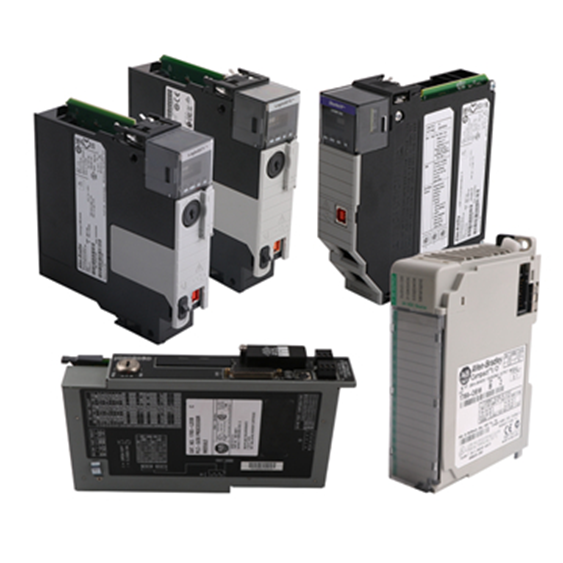
Manufacturing Nightmares: Real Costs of Discontinued Parts Scarcity
A Midwest automotive stamping plant experienced this nightmare firsthand when their 1785-L80E processor failed during a third-shift production run. With no backup module in inventory, the facility scrambled through three unauthorized suppliers before locating a unit—72 hours later. The downtime cost $340,000 in lost production, $28,000 in expedited freight charges, and penalty fees from an OEM customer whose just-in-time delivery schedule was disrupted. Hidden costs also arise from disrupted supply chains and rescheduled deliveries. Quality teams must validate system integrity after replacement. Counterfeit 1785-L80E modules flood marketplaces at lower prices. Counterfeits often use low-grade components that fail industrial standards. One facility installed a counterfeit processor that caused repeated failures.
Immediate Dispatch Solutions for Critical Repairs
"Immediate dispatch" means shipment within hours of order confirmation. For critical 1785-L80E failures, legitimate suppliers maintain climate-controlled warehouse inventory with real-time stock verification systems that confirm physical unit availability before accepting orders. Trusted suppliers use automated systems that generate labels and documentation instantly. When exact 1785-L80E matches aren't available, experienced suppliers cross-reference firmware revisions and memory configurations to identify functionally equivalent alternatives from the PLC-5/80 processor family. The 1785-L80B and 1785-L86B models share identical communication architectures and instruction sets, allowing emergency substitutions with minimal programming adjustments. Memory differences must be validated before substitution. Reputable suppliers provide datasheets comparing compatibility and specifications.
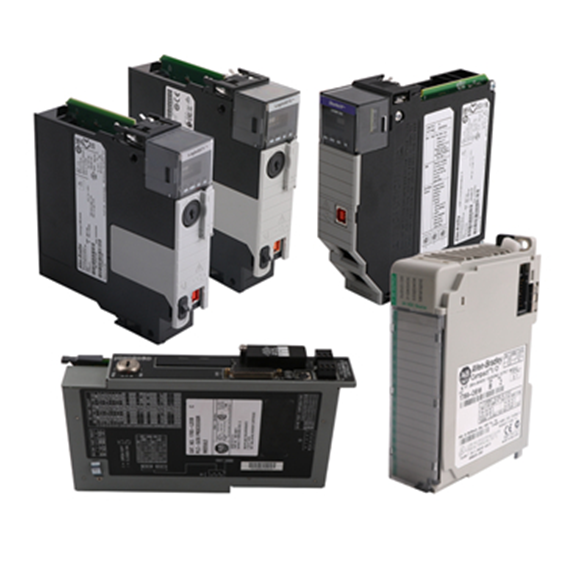
Step-by-Step: Sourcing Authentic 1785-L80E Modules
Supplier Vetting for Discontinued Control System Parts
Begin verification by confirming the supplier holds current ISO 9001 certification for quality management systems, which requires documented traceability for every component in their inventory chain. Verify ISO 9001 certifications through issuing bodies. Authentic distributors provide test reports showing each 1785-L80E module has passed functional verification on live PLC-5 backplanes, including memory diagnostics, communication handshake tests, and battery backup validation. Examine whether the supplier offers detailed component history—legitimate units include documentation showing original manufacturing dates, previous ownership records, and refurbishment procedures if applicable. Check for UL listing verification, as genuine Allen-Bradley modules carry specific UL file numbers that counterfeiters cannot replicate.
Order Processing for Emergency Requirements
Establish accounts with pre-approved payment terms before emergencies occur, eliminating credit checks and financial verification delays when seconds count. Reliable distributors operate order management systems that send automated confirmation emails within minutes, including photographs of the specific serial-numbered unit allocated to your order rather than generic stock images. Use real-time supplier dashboards to verify stock availability. Specify protective packaging for sensitive components. Confirm the supplier provides tracking integration that pushes shipment updates directly to your maintenance management software, eliminating manual status checking.
Post-Purchase Support Framework
Demand written warranty terms covering at minimum 12 months against manufacturing defects and functional failures, with clear replacement procedures that don't require returning failed units before receiving replacements. Establish direct communication channels with supplier technical support teams who understand PLC-5 architecture—generic customer service representatives cannot diagnose whether communication faults stem from the processor module, backplane compatibility issues, or program configuration errors. Request access to technical resources and documentation. Some suppliers offer on-site installation support for complex replacements.
Future-Proofing Your Maintenance Strategy
Proactive maintenance teams establish strategic inventory buffers by stocking two spare 1785-L80E processors—one for immediate deployment and another as insurance against supply chain disruptions. Calculate buffer quantities based on failure rates and lead times. Store spare modules in controlled environments. Test spare processors periodically to ensure functionality. Partner with specialized automation component suppliers like Moore Automation who maintain dedicated obsolete parts divisions rather than general electronics distributors. Establish preferred supplier agreements that guarantee priority allocation during shortages and provide advance notification when 1785-L80E inventory reaches critical thresholds. Simultaneously, develop migration roadmaps assessing replacement costs, production impact windows, and compatibility with existing I/O infrastructure. Modern ControlLogix platforms offer emulation modes that replicate PLC-5 instruction sets, allowing phased transitions where new processors execute legacy programs with minimal recoding. Allocate part of your maintenance budget for obsolescence management.
Secure Your Legacy Systems Today
The 1785-L80E processor represents both a critical vulnerability and a manageable risk for facilities dependent on legacy PLC-5 control systems. As manufacturing operations face the dual pressures of discontinued component availability and proliferating counterfeit alternatives, the cost of reactive procurement strategies—measured in hundreds of thousands of dollars per failure event—far exceeds proactive investment in verified supplier relationships and strategic inventory reserves. Proactive teams turn potential failures into manageable maintenance events.
The window for securing authentic 1785-L80E units continues narrowing as remaining inventory gets absorbed by facilities worldwide, making immediate action essential rather than optional. Start by auditing inventory, verifying suppliers, and planning migration. The facilities that survive the obsolescence crisis will be those that recognized the urgency, invested in reliable sourcing partnerships, and balanced short-term component procurement with long-term modernization planning—treating legacy system maintenance as the strategic imperative it has become.


