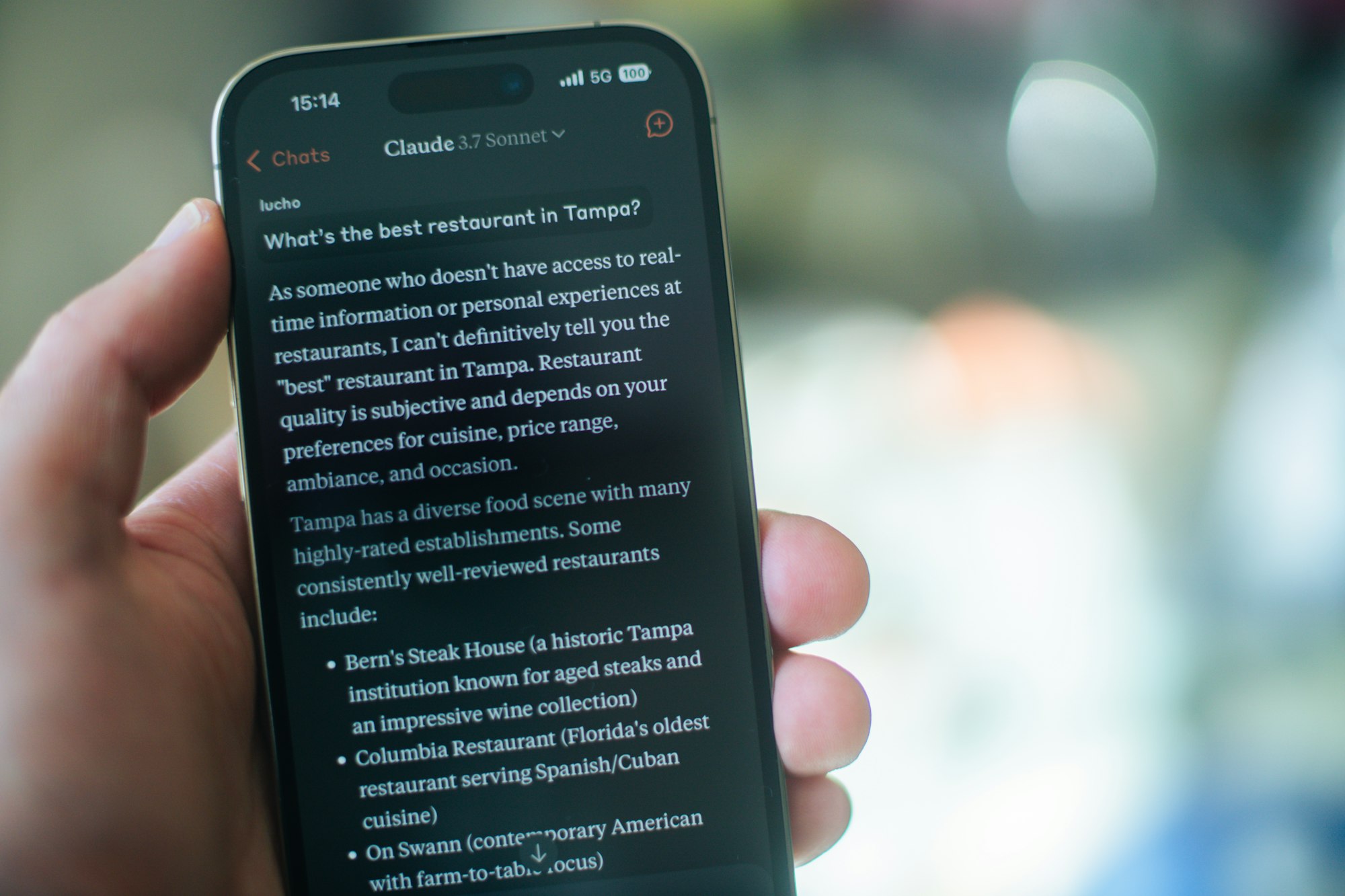
The rollout happened quietly on February 9, affecting only U.S. users who aren’t on Plus, Pro, Business, Enterprise, or Education plans. Ads appear at the bottom of responses, separated from ChatGPT’s answers and clearly labelled as sponsored content.
“It is clear to us that a lot of people want to use a lot of AI and don’t want to pay, so we are hopeful a business model like this can work,” CEO Sam Altman wrote on X when the plan was first announced in January.
The mechanics are straightforward. OpenAI matches ads to what you’re discussing. Search for recipes, see meal kit promotions. Ask about travel, get flight deals. Multiple advertisers compete for each placement, with relevance determining the winner.
Privacy boundaries exist. No ads for users under 18. Nothing near health, mental health, or politics. Temporary chats stay ad-free. So do logged-out sessions and image generation.
 Damilare Odedina
Why the Rush to Monetise?
OpenAI hit $20 billion in annualised revenue by late 2025, but infrastructure costs remain brutal. Running 2.5 billion daily prompts for 800 million weekly users burns cash faster than subscriptions can replace it. Ads offer a path to monetise their percentage of users who never pay.
"Keeping the Free and Go tiers fast and reliable requires significant infrastructure and ongoing investment. Ads help fund that work, supporting broader access to AI through higher quality free and low cost options, and enabling us to keep improving the intelligence and capabilities we offer over time” OpenAI shared in the announcement.
What OpenAI promises about your data
Advertisers don’t see your conversations, chat history, or personal details. “We will continue to be deliberate about who we allow into the advertiser program and build protections to reduce the risk of scams and other harmful or misleading ads.” OpenAI said.
The company only shares aggregate metrics—views, clicks, basic performance data. Users can dismiss ads, manage targeting preferences, or delete ad data completely.
There’s an opt-out: You either accept fewer daily messages on the free tier, or upgrade to Plus ($20/month) or Pro ($200/month).
The Anthropic problem
Days before OpenAI’s rollout, competitor Anthropic spent millions on Super Bowl ads explicitly mocking ad-supported AI. The spots featured fictional ChatGPT-style responses stuffed with absurd product placements, ending with “Ads are coming to AI. But not to Claude.”
Altman’s response on X was blistering. He called the campaign “clearly dishonest” and accused Anthropic of serving “an expensive product to rich people.” His core argument: “We also feel strongly that we need to bring AI to billions of people who can’t pay for subscriptions.”
He added: “More Texans use ChatGPT for free than total people use Claude in the U.S., so we have a differently-shaped problem than they do.”
The question isn’t whether ads are coming to AI—it’s whether users will tolerate them without abandoning the platforms that introduced them to conversational AI in the first place.
For now, OpenAI is betting they will. But the test just started, and the first real feedback loop is just beginning.
Damilare Odedina