



Physical retail has evolved from a transactional space into an intelligent ecosystem where every interaction generates data. AI and augmented reality, including augmented reality mirrors, now power this measurable digital channel—collecting insights, tracking behaviors, and converting engagement into intelligence.
By 2027, nearly two-thirds of consumers will engage with AI or AR technologies in-store, according to Gartner. Stores are now measured by the quality and quantity of customer interactions—specifically, what each reveals about purchasing intent, product relevance, and conversion probability.
From Intuition to Intelligence
Physical retail once relied on intuition and historical patterns. E-commerce changed expectations by providing full visibility into customer journeys. Now AI-driven analytics platforms built into AR technologies track session duration, product interest, demographics, and emotional engagement—bringing the same precision to physical stores.
These tools capture not just purchases, but consideration. If a product is tried on 500 times but purchased 50 times, that's valuable data about interest and preference. AI and AR deliver this granular understanding at scale, replacing assumption with intelligence.
The Technologies Powering Data-Driven Engagement
AI and AR technologies are at the core of this transformation, working together to turn physical interactions into measurable data.
Key technologies include:
- Computer vision, which identifies engagement behavior and demographic attributes in real time.
- Augmented reality engines, which enable virtual product experiences without physical inventory.
- AI analytics platforms, which interpret behavioral data and translate it into actionable insights.
These technologies collectively give retailers the ability to measure what was once invisible: customer intent, hesitation, and preference.
Turning Engagement into Insight
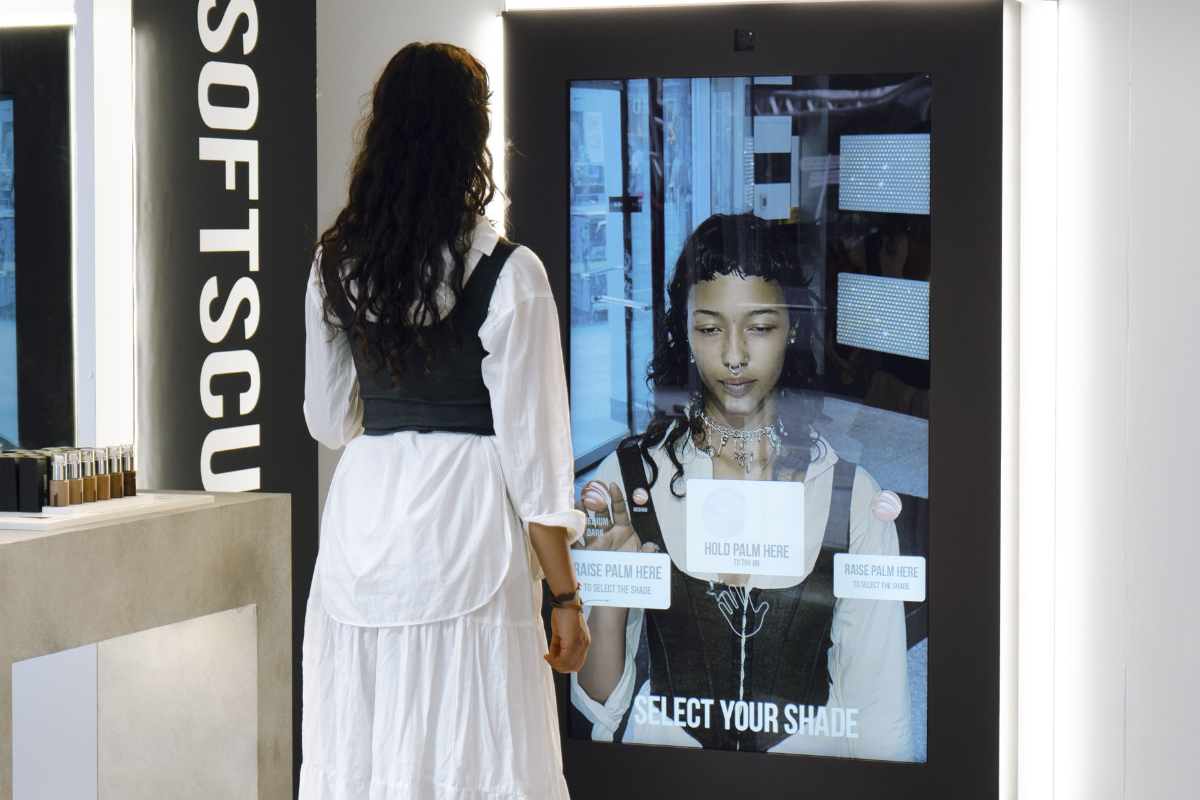
AR mirrors, interactive displays, and smart digital storefronts are intelligent data collection tools that track engagement duration, product selection patterns, and interaction flow in real time. Physical retail is now a high-value data channel where every interaction feeds predictive analytics models that optimize inventory, store layouts, campaigns, and product strategies.
Why Physical Retail Is Becoming a Digital Channel
Leading retailers now treat physical spaces as digital assets. AR mirrors link in-store interactions to online behavior—if a customer virtually tries a product in-store and purchases online, attribution models connect these actions, transforming retail from siloed to fully integrated. McKinsey reports that combining physical engagement data with AI personalization increases conversion rates by 20 to 40 percent, as AI anticipates rather than reacts to customer behavior.
The Financial Impact of Engagement Analytics
The business case for AI and AR analytics in retail is not theoretical; it is measurable and immediate. Engagement intelligence directly impacts the bottom line by improving conversion, increasing basket size, and reducing inventory inefficiencies.
The most powerful benefits include:
- Increased conversion rates, as AI-guided recommendations lead to faster purchase decisions.
- Higher inventory efficiency, with real-time data pinpointing demand trends.
- Stronger brand loyalty, driven by personalized in-store experiences that mirror digital journeys.
Retailers are no longer guessing which products resonate—they are observing it in real time.
Retail Engagement as a New Category of Analytics Software
What was once considered experiential technology has now evolved into a recognized category: engagement intelligence platforms. These are not customer-facing gimmicks; they are enterprise analytics tools embedded within interactive retail touchpoints.
They provide executives with dashboards tracking active engagement sessions, demographic breakdowns, behavioral trends, and conversion probabilities—just as Google Analytics does for websites. This shift is redefining the value of physical retail spaces, positioning them as data-rich environments capable of competing with digital channels on measurable performance.
How loook.ai Powers Data-Driven Retail Intelligence
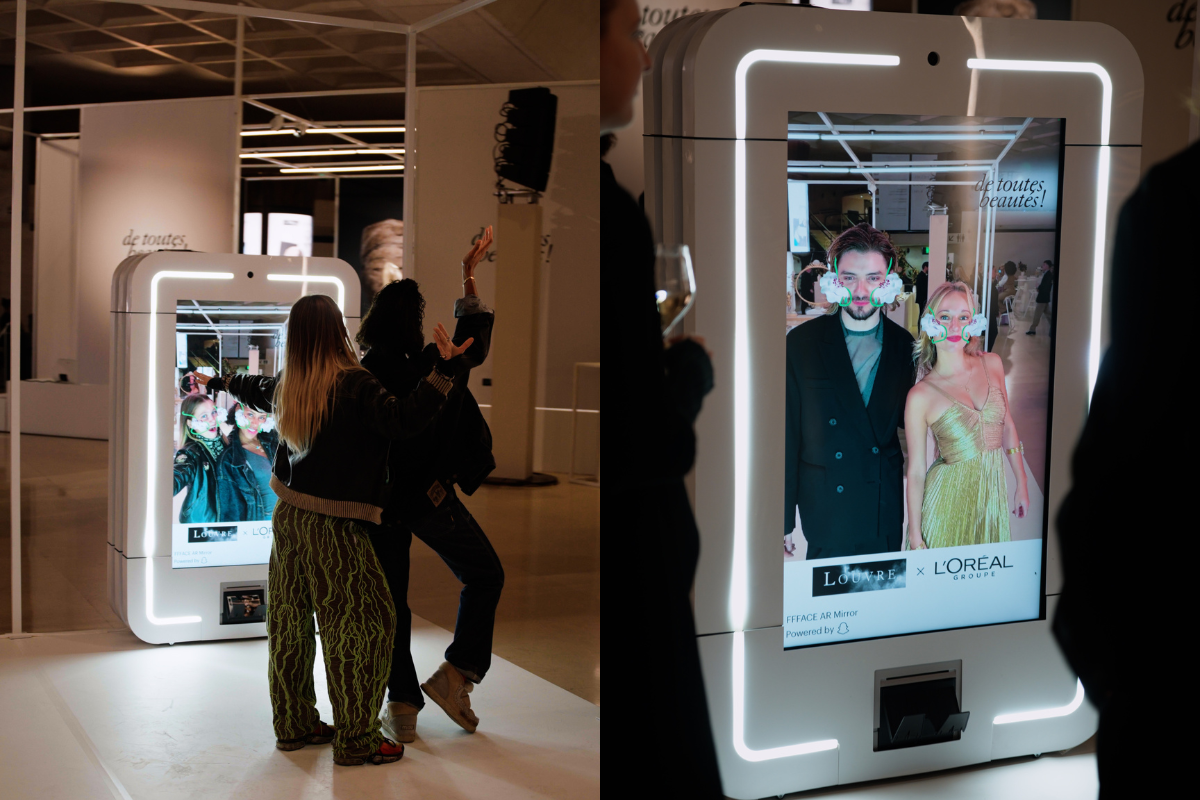
One of the platforms leading this transformation is loook.ai (launched by ffface.me), an AI-powered retail analytics system that turns any digital screen into an intelligent engagement engine. Rather than requiring custom hardware, loook.ai deploys through a simple software installation on existing displays paired with a camera. Once activated, it uses computer vision to recognize when a customer approaches, triggers an immersive AR interaction such as a virtual try-on or gamified experience, and simultaneously collects anonymized data on engagement duration, product interest, demographics, and interaction flow.
All of this data feeds into a live analytics dashboard where retailers can monitor performance metrics such as engagement-to-conversion rates, top-performing products, and traffic uplift in real time. The platform functions as both a customer engagement tool and a decision-making engine—transforming physical retail from a static environment into a dynamic, data-optimized channel. With its multi-SDK architecture, loook.ai integrates easily with CRM systems, mobile apps, and e-commerce platforms, allowing retailers to unify offline and online behavior into a single measurable journey.
The Future of Intelligent Retail Engagement
The next phase of retail innovation will continue to blend immersive technology with real-time analytics. AI models will not only analyze behavior—they will predict it. AR will not only visualize products—it will personalize them based on past engagement data. Predictive retail environments will adapt dynamically, showing different content based on demographic or engagement patterns as they unfold.
Gartner forecasts that physical stores equipped with AI analytics capabilities will see revenue growth outpace traditional stores by at least 20 percent over the next five years. This is because these stores will not just be places of transaction—they will be performance-driven environments operating with the same intelligence and accountability as digital platforms.
Conclusion: Engagement Is Now a Measurable Asset
AR and AI analytics have fundamentally changed the role of physical retail. Engagement is no longer passive—it is a quantifiable, strategic asset that drives insight, optimization, and growth. Physical stores are now part of the digital ecosystem, functioning as intelligent data engines capable of delivering measurable ROI.
As this technology continues to advance, the retailers who win will not simply be those who deliver great experiences—but those who can measure, optimize, and scale those experiences based on real-time intelligence. In a data-driven future, engagement is no longer the end goal—it is the beginning of retail intelligence.


