Epic Games is making waves again in Fortnite, this time by changing the rules for in-game transactions on player-created experiences. Just days after allowing creators to monetize their “islands,” the company announced that certain types of transactions will no longer be allowed. Starting today, January 20, creators will not be able to sell prize wheel spins or offer ways to increase luck on these wheels.
The move comes after one of Fortnite’s most popular community-made experiences, Steal The Brainrot, introduced a prize wheel that let players spend V-Bucks to boost their chances of winning items. The same experience also added loot boxes, and both features drew criticism from players for leaning too close to gambling mechanics. On Reddit, an Epic staffer noted that the new rule was specifically meant to stop “any in-island transactions that directly or indirectly influence prize wheels.”
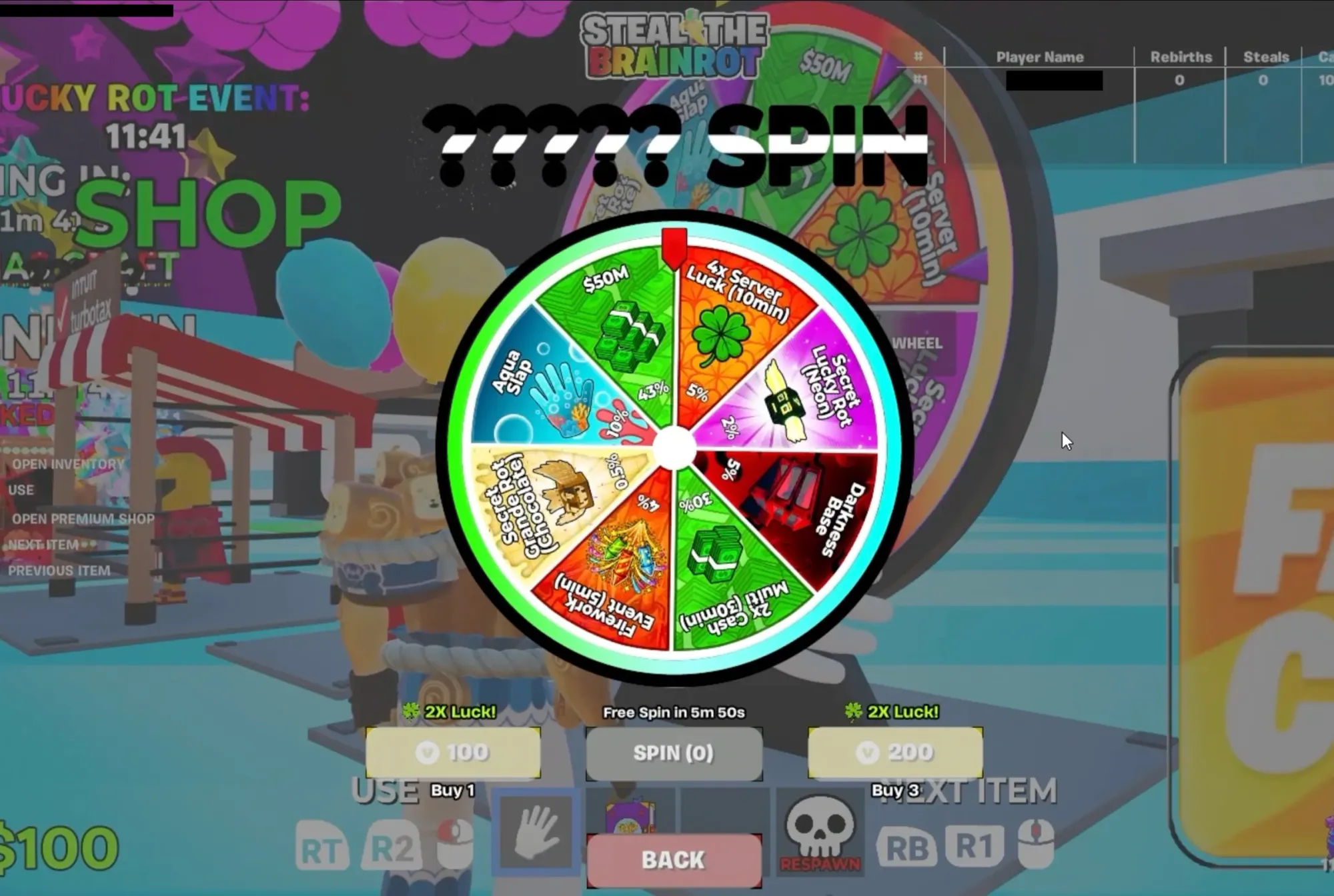
Before this change, Fortnite creators could sell in-game items and experiences in a way similar to platforms like Roblox, though Fortnite had previously restricted direct monetization inside islands.
Epic had been experimenting with giving creators more control over the commercial side of their projects, offering 100% of the V-Bucks value from in-island transactions through the end of 2026, before the cut drops to 50% after that. The new rule is a reminder that Epic is drawing a line at anything that resembles gambling, even as it expands monetization opportunities.
In practical terms, creators will no longer be able to sell single spins, extra spins, bundles, or any luck-boosting content that influences prize wheels. The company is clear: if it looks or functions like a gambling mechanic, it’s off-limits.
The Takeaway
Epic’s latest rule shows the tightrope Fortnite walks between empowering creators and protecting players. While giving creators more freedom to monetize their content is a big step forward, Epic is also signaling that it won’t allow mechanics that could be seen as gambling, even inside a game.
For players, this means safer in-game economies and fewer predatory mechanics. For creators, it’s a reminder that while Fortnite islands can be profitable, not all monetization strategies are allowed, especially ones that hinge on chance or luck. Fortnite remains a platform for creativity, but with rules that keep the game family-friendly and fair.
 Emmanuel Umahi