Last year’s Made on YouTube event saw the Google-owned platform lean into the AI boom, rolling out new tools to give creators more ways to make and manage content. This year was no different.
On Tuesday, YouTube CEO Neal Mohan took the stage at Pier 57 in New York City, joined by other presenters, to unveil a fresh batch of features, most of them aimed at making YouTube Studio smarter and helping creators boost both their output and audience engagement.
Here’s a rundown of the biggest announcements.
 Emmanuel Umahi
Smarter YouTube Studio
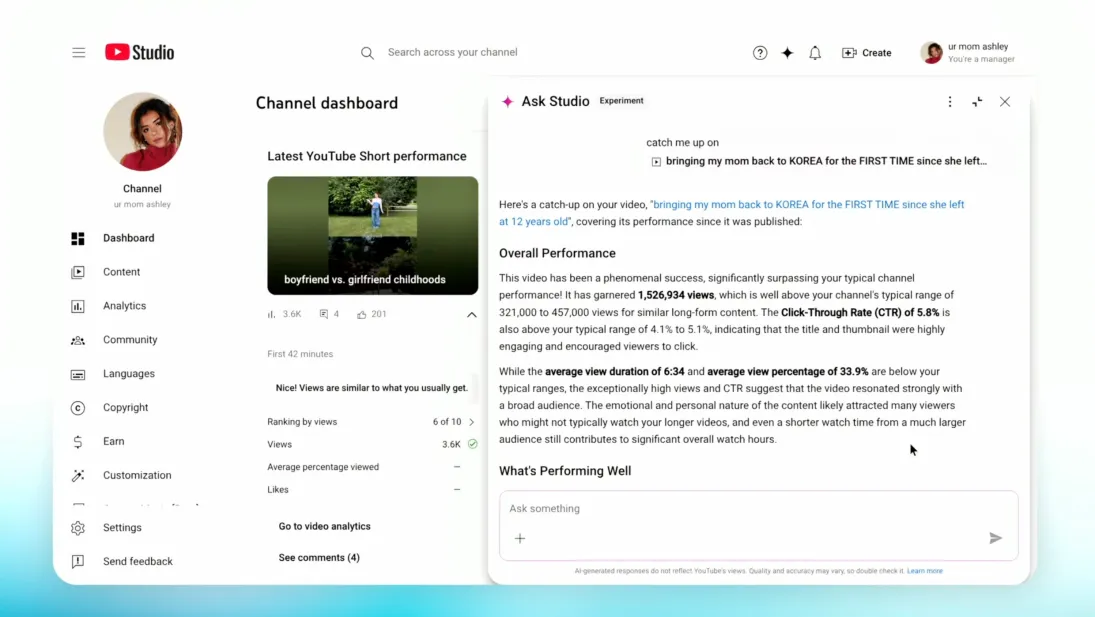
At the heart of the announcements is Ask Studio, an AI chatbot built into YouTube Studio. Instead of creators digging through analytics dashboards, they’ll be able to ask the bot how a video is performing, what viewers are saying, or even for suggestions on how to improve their editing style. YouTube describes it as a “creative partner”, the idea being that insights are surfaced quickly enough to help guide a creator’s next move.
Also getting an upgrade is the Inspiration Tab, introduced last year to help creators brainstorm ideas. Now it will suggest tailored topics based on audience behavior, explain why they might resonate, and generate multiple responses to every AI prompt. For smaller channels still figuring out their niche, that could take away some of the guesswork.
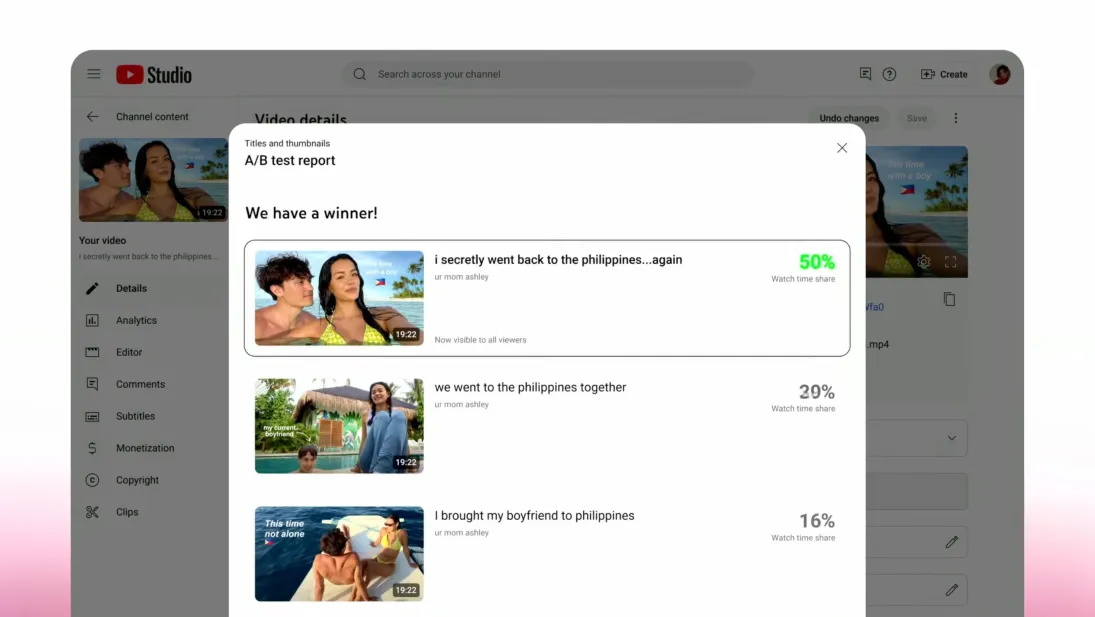
To round it out, YouTube is expanding its A/B testing feature, allowing creators to trial up to three different titles and thumbnails per video. The company says creators have already run more than 15 million tests since the tool’s early release.
Collaboration and Protection
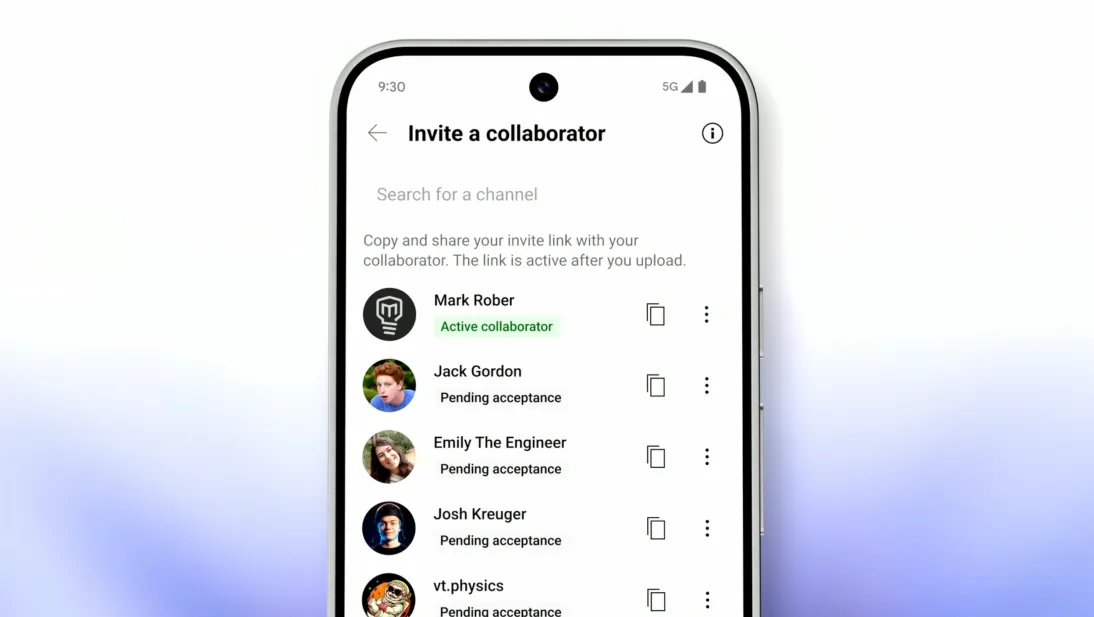
Beyond analytics, YouTube is also focusing on the relationships and risks that come with creating online. A new collaboration tool will allow up to five creators to appear on a single video, with the upload reaching all of their audiences. While revenue will still only go to the channel that posts the video, the feature is meant to supercharge cross-promotion and discovery.
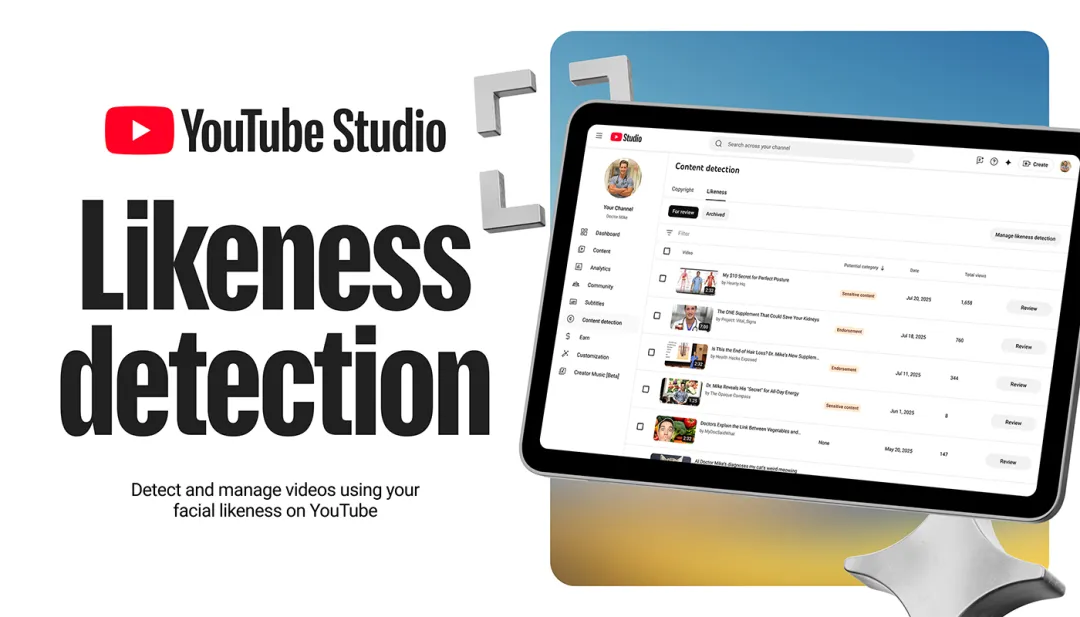
On the protection front, YouTube’s likeness detection tool is expanding into open beta for all Partner Program creators. Originally tested with big names like MrBeast, it lets creators identify and request removal of unauthorized videos that use their face. With AI-generated deepfakes becoming harder to spot — and often used in scams or misleading ads — this tool could help creators defend both their reputations and their audiences.
AI-Powered Creation Tools
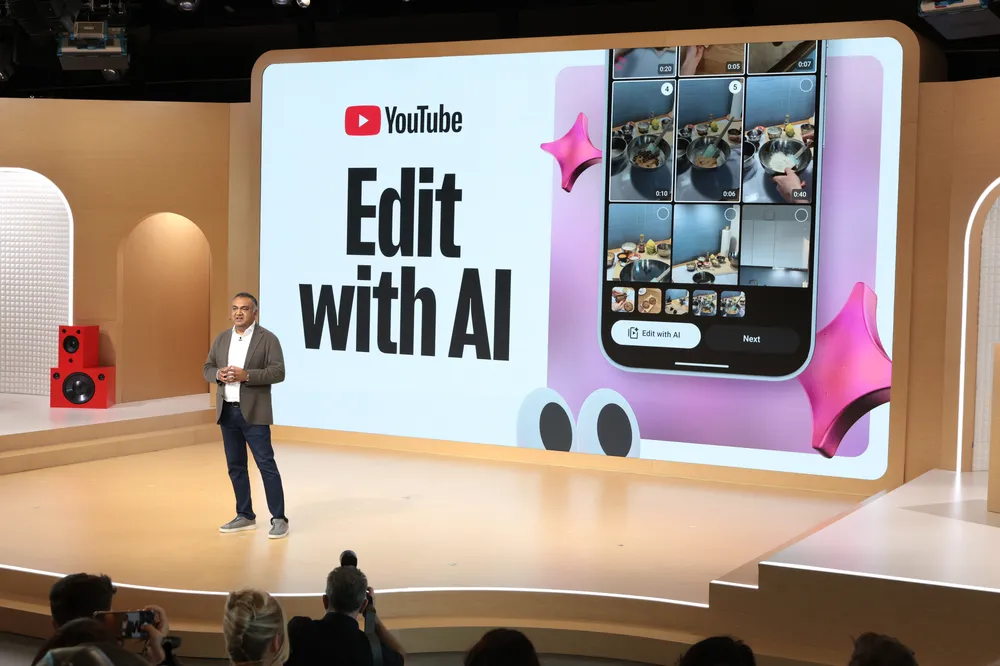
When it comes to actually making videos, YouTube is betting that AI can take some of the heavy lifting off creators’ shoulders. A new AI video editor can turn raw footage into a rough cut with transitions, background music, and even voiceover. It’s not a replacement for full editing, but it could speed up the process of getting a video draft ready.
For Shorts, YouTube introduced a speech-to-song feature that can remix dialogue into catchy soundtracks, along with expanded Veo 3 integration that generates short videos from text prompts, now with sound and improved visuals. Automatic voiceovers in English and Hindi are also on the way, opening up easier localization for creators targeting multilingual audiences.
Livestreamers aren’t left out either: an upcoming AI highlights tool will automatically clip the most engaging moments from a stream into Shorts, giving creators a second wave of content to share and audiences a quicker way to catch the best bits.
Global Reach
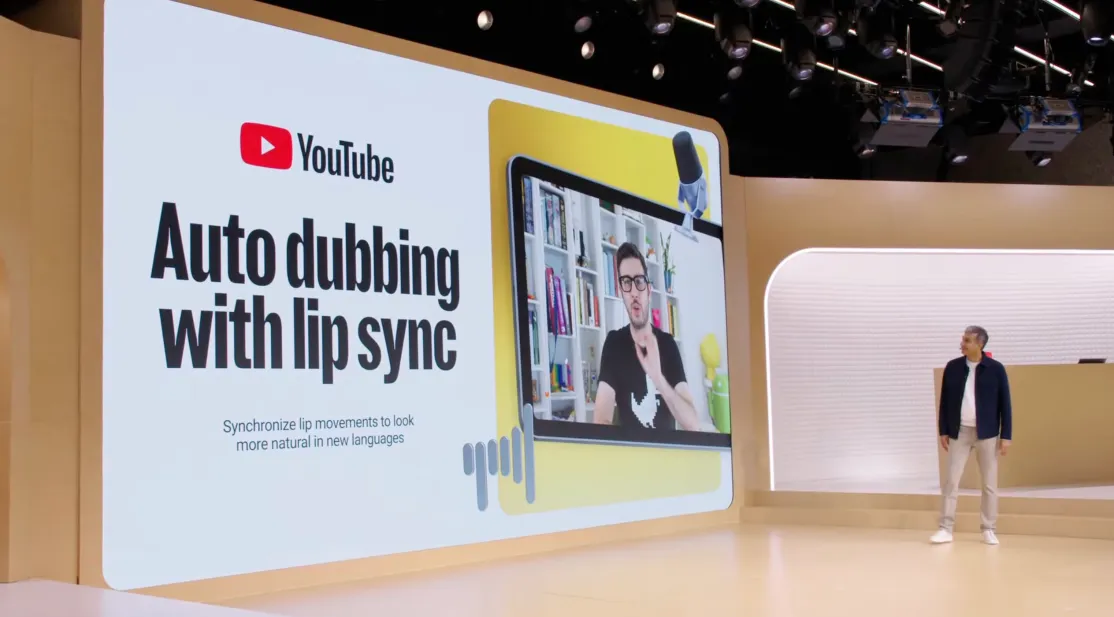
Finally, YouTube is refining its approach to international audiences with an upgrade to its auto dubbing feature. While videos can already be dubbed into 20 languages, the platform is adding lip-syncing technology so translated versions match mouth movements more naturally. YouTube says viewers spend over 75% of their time watching dubbed content compared to originals, a sign that more realistic dubbing could massively increase global reach.
Conclusion
This year’s Made on YouTube event was less about flashy one-off features and more about weaving AI into every step of the creator journey, from idea generation, to editing, to protecting content online. For creators, the upside is clear: less time spent on manual tasks and more opportunities to reach global audiences.
Still, some may wonder whether relying too heavily on AI for creative decisions could dilute originality, or whether collaboration without shared revenue will feel fair. But the direction YouTube is heading is unmistakable, it wants to be the place where AI doesn’t just help you watch videos, it helps you make them.
 Oyinebiladou Omemu