Meta’s latest overhaul of the Facebook app doesn’t read like an ambitious leap into the future. Instead, it looks like a recalibration, a shift away from metaverse-heavy ambition toward reinforcing the parts of Facebook that still deliver stable, predictable engagement.
The redesign introduces a long list of interface updates, but beneath the product notes is a clearer theme that Meta is investing in what people actually use on Facebook today rather than what it hopes they might use tomorrow.
Reports that Meta is scaling back some metaverse initiatives provide the backdrop for this update. The company isn't abandoning its long-term vision, but it’s increasingly clear that Facebook’s day-to-day relevance depends on grounded, utilitarian features rather than VR worlds or avatar ecosystems. The redesign reflects that shift, prioritising user behaviour, particularly among groups Meta can still influence: returning young adults and long-time core users.
 Emmanuel Umahi
Why is Meta moving Marketplace to the front row?
Marketplace’s promotion to the main navigation bar is less about aesthetic reshuffling and more about aligning the app with documented user habits. Meta’s data shows that Marketplace remains one of the strongest magnets for Gen Z, a demographic Facebook has struggled to retain.
The redesign reframes Marketplace as a primary use case rather than a buried utility. This shows Meta’s broader strategy of reinforcing features that drive daily activity instead of chasing trendy features with uncertain returns.
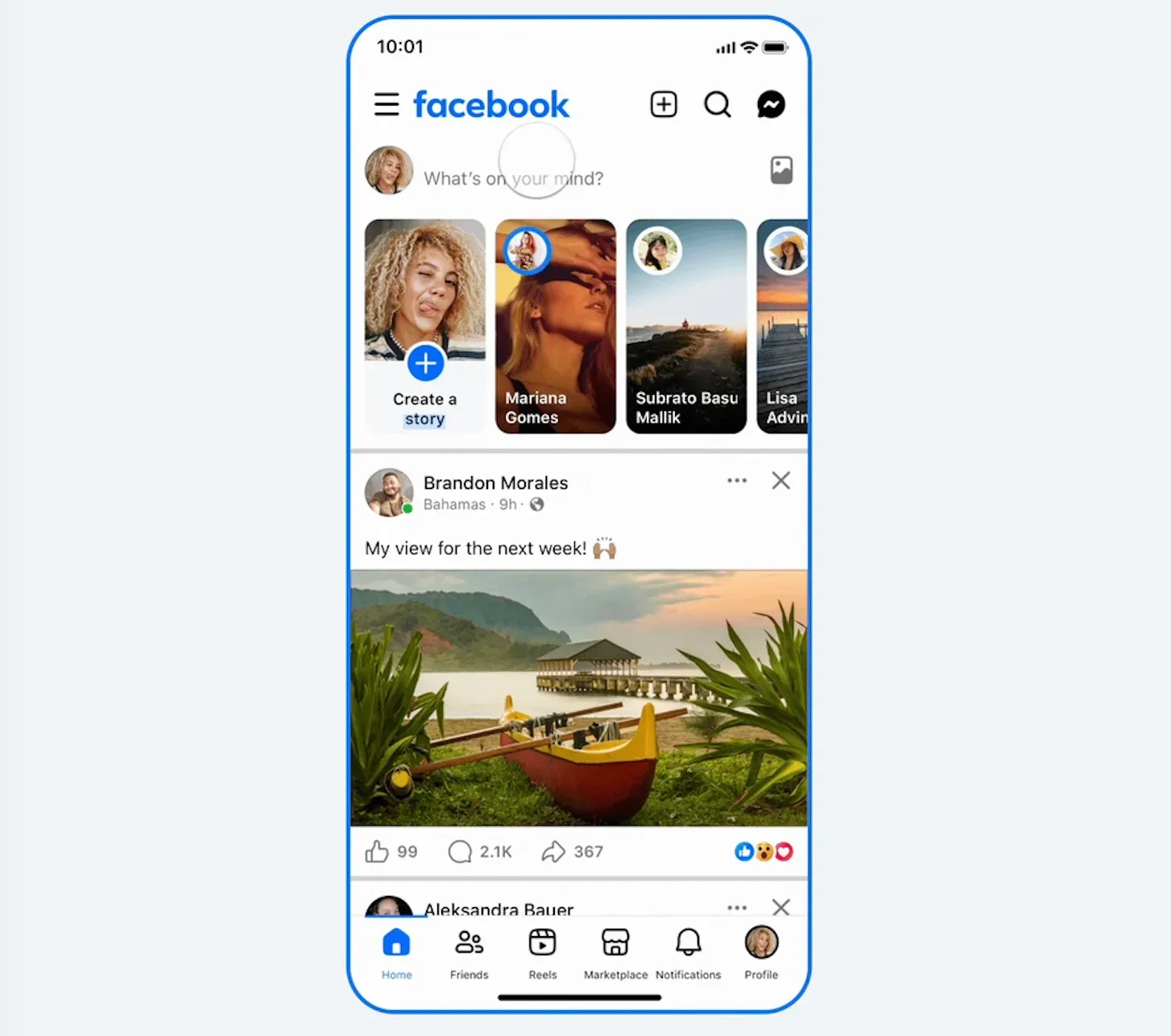
At the same time, updates to photos, including double-tap likes, a cleaner grid, and full-screen viewing, may resemble Instagram’s visual language, but their purpose is practical. These updates reduce friction for users who divide their attention across Meta’s apps. The refreshed visual Search grid applies the same logic. Instead of trying to reinvent discovery, Meta is refining what already works, making search results easier to browse.
The simplified posting flow and the more structured comment layout aren't dramatic changes, but they reduce cognitive noise in areas where Facebook has accumulated years of interface weight. Improved moderation options and anonymous comment flagging continue this theme. Meta wants Facebook to feel manageable again, not overwhelming.

Expanded profile sections covering hobbies, shows, travel plans, and music bring back elements of earlier Facebook use but with updated privacy controls. Allowing people to choose which updates appear in the Feed shows a shift toward intentional sharing and away from algorithmic broadcasting.
The takeaway
Meta’s latest Facebook update is not about reinvention. It’s about stabilising the platform. Across Marketplace, photos, Search, Groups, posting, comments, profiles, and creator tools, the redesign points to a clear conclusion: Meta is shifting attention away from long-horizon bets like the metaverse and toward features rooted in real user behaviour today.
Instead of pushing Facebook toward a distant future, Meta is strengthening the parts of the platform that still function reliably: commerce, community discussion, interpersonal sharing, and creator control. It’s not a retreat from innovation, but a recalibration of priorities. Facebook is being rebuilt around what people actually do, not what Meta once hoped they would adopt.
 Ogbonda Chivumnovu