If you’re in Russia and FaceTime suddenly stopped working, it’s not your phone. The government has officially blocked access to Apple's FaceTime and Snapchat, becoming the latest casualties in the Kremlin's escalating campaign to control digital communications.
State internet regulator Roskomnadzor justified both bans by claiming the platforms were being used "to organize and carry out terrorist acts" and facilitate fraud—allegations made without providing specific evidence.
The move marks a strategic shift. Russia isn't just censoring public information anymore. It's dismantling private, encrypted communication channels that sit outside state monitoring capabilities.
While authorities announced the restrictions last Thursday, Snapchat had actually been blocked since October 10, according to Roskomnadzor, suggesting Moscow was testing the waters before making the ban official. FaceTime users inside Russia began reporting connection problems as early as September. Now, neither service works without a VPN.
 Damilare Odedina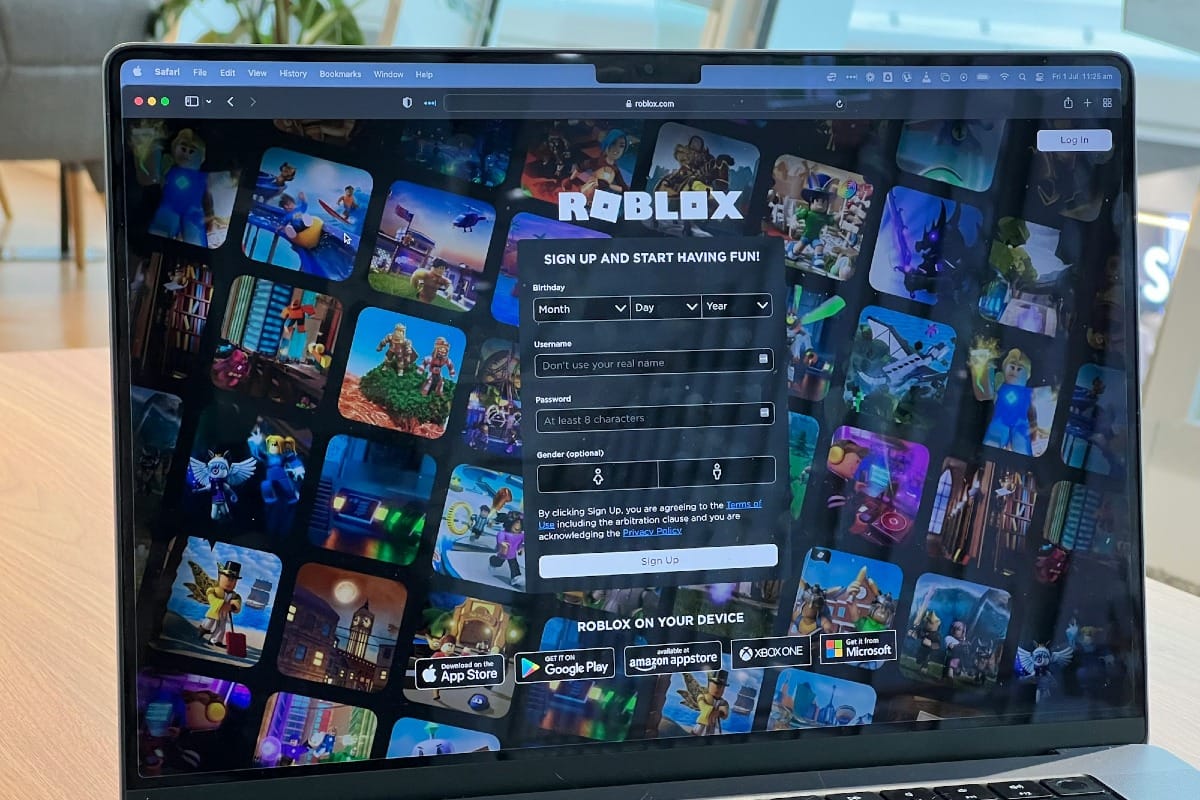
The real target here isn't terrorism. It's control. Over 50 million Russians use YouTube daily, making it one of the last major bastions of free expression in the country. But with WhatsApp calls blocked in August, Telegram disrupted, Signal and Viber banned in 2024, and now FaceTime cut off, the options for secure communication are vanishing fast.
What Russia is offering instead raises even more concerns. The government is promoting MAX, a state-controlled messenger app developed by tech firm VK, which has been mandatory on all new mobile phones and tablets sold in Russia since September 1. Unlike WhatsApp or Telegram, MAX lacks end-to-end encryption and grants authorities full access to user data.
Moscow claims MAX is more secure against fraud. Critics say it's a surveillance tool. According to internet rights group Na Svyazi, officials are pushing Russians toward MAX specifically because it gives them complete access to private conversations. Independent security researchers on GitHub found that MAX collects IP addresses, geolocation, contact lists, and biometric data, with the app's privacy policy explicitly permitting data sharing with "government bodies."
The crackdown also came just one day after Roskomnadzor blocked Roblox, accusing the gaming platform of distributing extremist materials and promoting "LGBT propaganda."
The pattern is clear: foreign platforms get blocked, state-approved alternatives get promoted, and the digital iron curtain gets heavier. VPN services, once effective workarounds, are now routinely blocked. The government has even introduced "white lists" of approved sites in dozens of regions.
For the millions of Russians who relied on FaceTime and Snapchat to stay connected with family and friends abroad, the message is unmistakable: if you want to communicate, you'll do it on the Kremlin's terms.
 Acquah Nana Yeboah