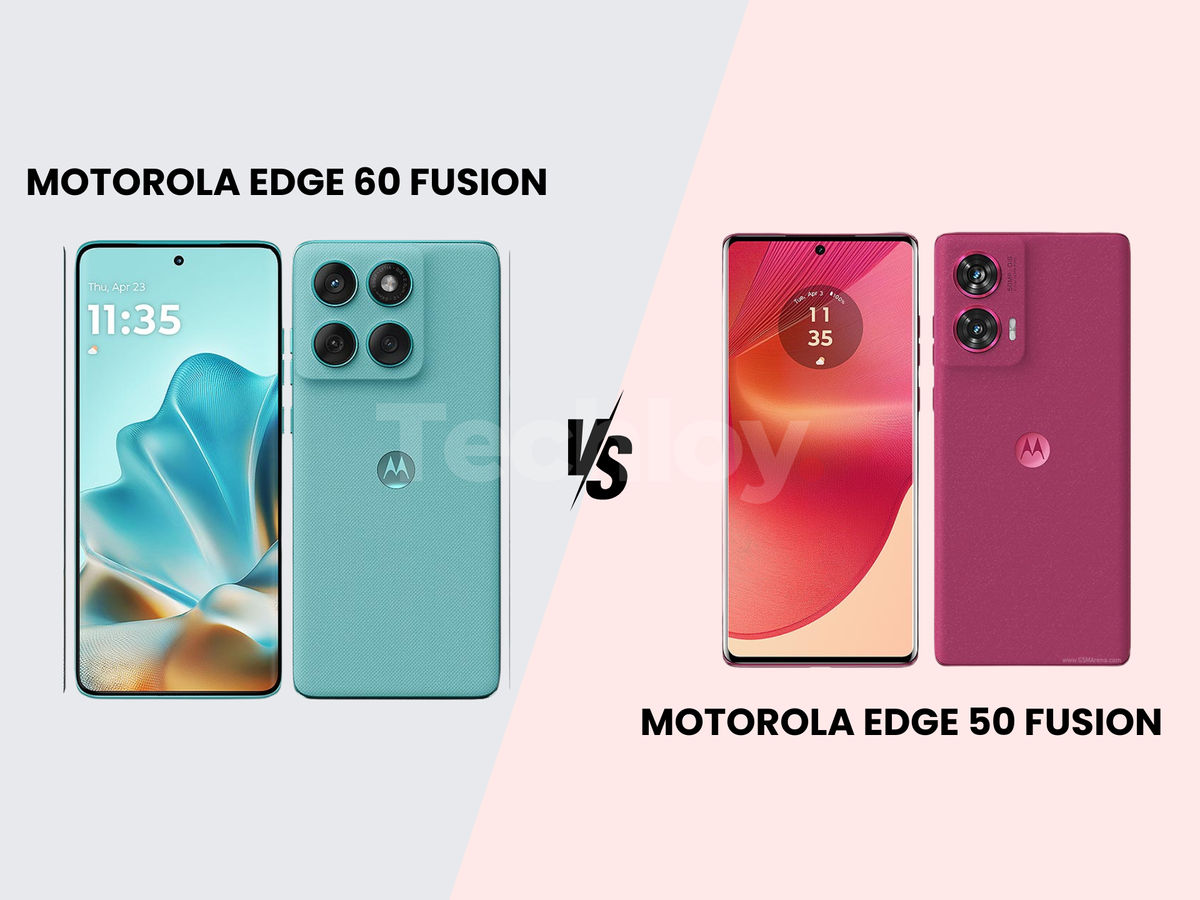



The first time I saw a mobile phone upfront was remarkable. Mobile phones were rare. Only the uber wealthy owned them. It was sometime in 2005 and it was the Motorola Blade. Its sharp edges made it seem like something from The Matrix. It's "Hello Moto" stuck in my head.
Our landlord owned the phone and his son would sneak it out of the house, and we would play its ringtone till it battery was flat. We sang along with it when it rang.
I made a mental note to buy one when I was old enough. I didn’t.
There are many stories that have been told about how the dinosaurs went extinct. Some believe that they never even walked this earth in the first place. Others argue that they met the Neanderthals, who waged war against them for the earth and defeated them. I like to believe they went extinct because they failed to adapt to changes in their habitat.
Of all of us who fell in love with that Motorola Blade as children, none of us grew up using a Motorola. How did this happen? How did this once sleek tech become a ghost for itself? Like many of us, in the age of big tech, Motorola has been fighting for its identity, trying to make sense of what it’s supposed to be in a fast changing world.
Like the dinosaurs, it could not adapt fast enough. It was slow to roll out a touchscreen and even slower to provide a popular mobile operating system, snubbing the viral Android OS that many phone makers had jumped on.
However, unlike the dinosaurs, it never went extinct, fighting its way every year at conferences like CES, sounding the alarm that it mattered.
This year, the phone maker announced its strongest bid yet to get those customers that abandoned it back, with two gobs making phones, the Motorola Signature, its high-tech flagship and the Motorola Razr fold, its first foldable.
Here is a complete timeline of the rise and usurpation of Motorola from the mainstream:
2004 – 2007: The Peak of the “Blade” Era
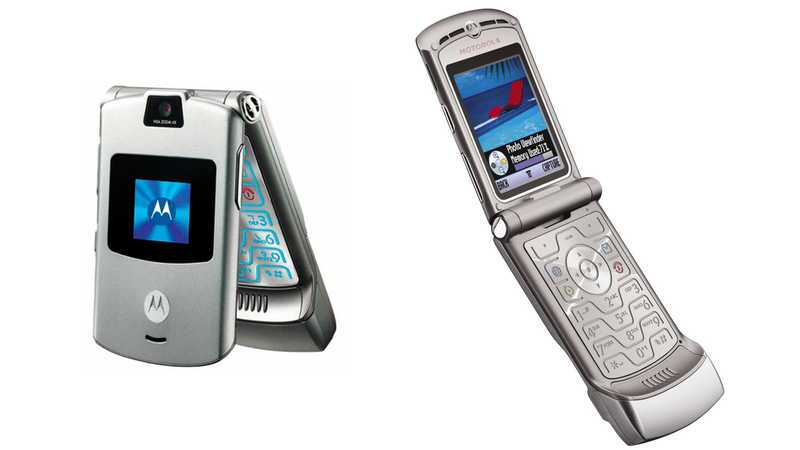
2004 to 2007 was the golden age for the mobile division of Motorola. Prior to that it had been a lesser mainstream American radio hardware company, making radios for cars, TVs, signing the National Aeronautics and Space Administration (NASA) as a client.
Then in 2004, it released the Motorola RAZR (or the “Blade”), which became an instant status symbol.
But while the world was obsessing over its slim flip design, Motorola grew complacent. It focused too much on thinning the hardware, locked way in its gilded castle in Chicago, it ignored the software revolution brewing in Silicon Valley.
2007 – 2011: The Slow Drift
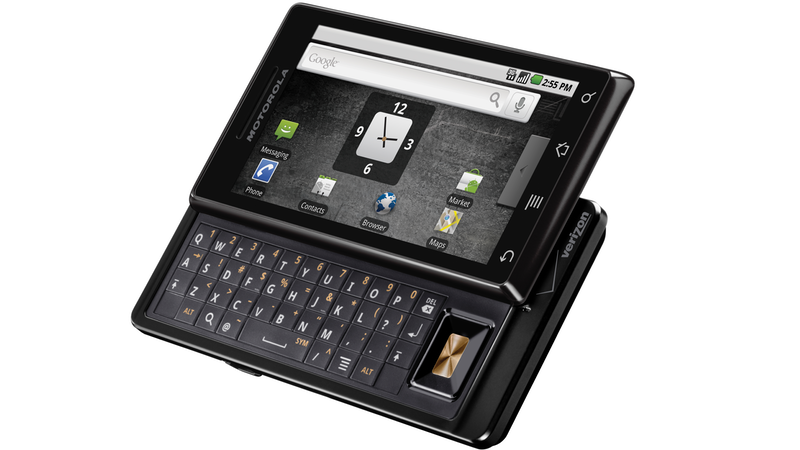
When the iPhone launched in 2007, the “cool factor” of mobile phones expanded from how a phone looked to also what it could do. Motorola missed this movement.
Android OS was becoming more attractive to end users, and many phone manufacturers jumped at it. Motorola hesitated, choosing instead to keep the RAZR alive with updates that in themselves were old news: newer flip phones, a blackberry-like slide phone.
By 2011, the company had begun to struggle. Already it had lost over $4 billion in just a few years. So the company had to perform a “corporate divorce,” splitting into two: Motorola Solutions (keeping the profitable business/radio side) and Motorola Mobility (the phone division we all knew).
2012 – 2014: The Google Experiment
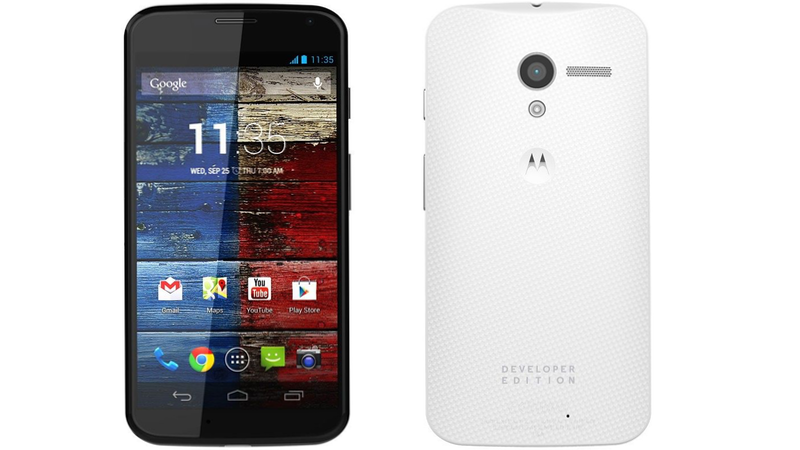
In May 2012, Google bought Motorola Mobility for $12.5 billion. It seemed like a match made in heaven, the masters of software meeting one of the pioneers of hardware. We got the Moto X and the first Moto G, phones that were wicked and smart. But Google was mainly interested in Motorola’s 17,000 patents to protect Android from lawsuits by Apple and Microsoft. Once they got what they needed, they looked for a buyer.
Google stripped the company of its best ideas, laid off thousands of workers, and then sold the “shell” of the company to Lenovo for just $2.9 billion.
2014 – 2023: The Lenovo Years
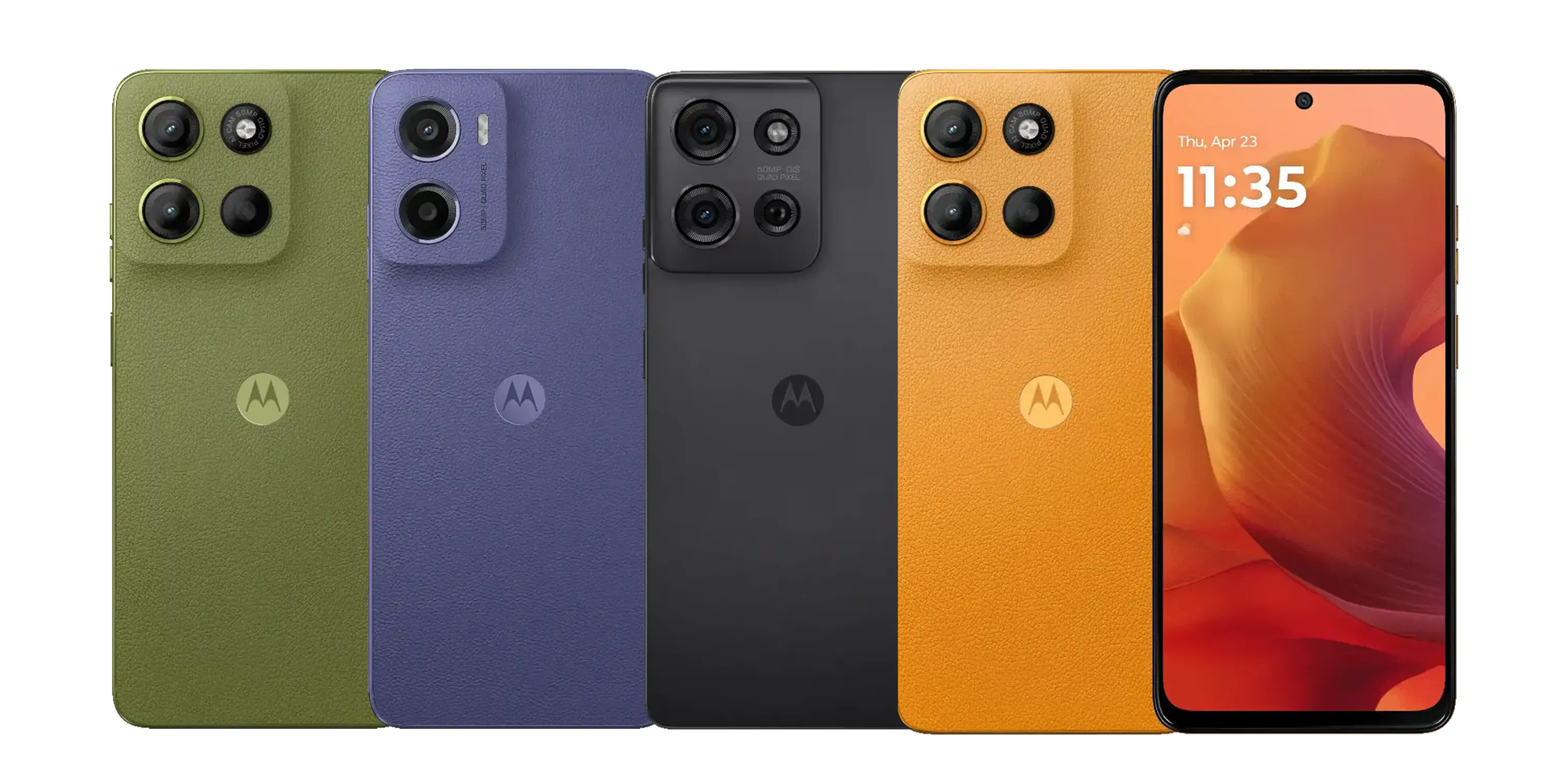
Chinese giant Lenovo stepped in. They kept the brand alive, and to their credit, Motorola started creating useful phones again. They flooded the market with the Moto G and Moto E series. These were great, budget phones, but they had no soul. The “Hello Moto” magic was replaced by “good enough for the price.”
For nearly a decade, Motorola became a ghost in the high-end market, invisible to anyone looking for innovation.
2024 – 2025: The Silent Preparation
Something changed in the last two years. While other brands were making minimal updates, Motorola started experimenting again. It focused on foldables and began integrating “Moto AI” to make the phone feel like a companion again.
 David Adubiina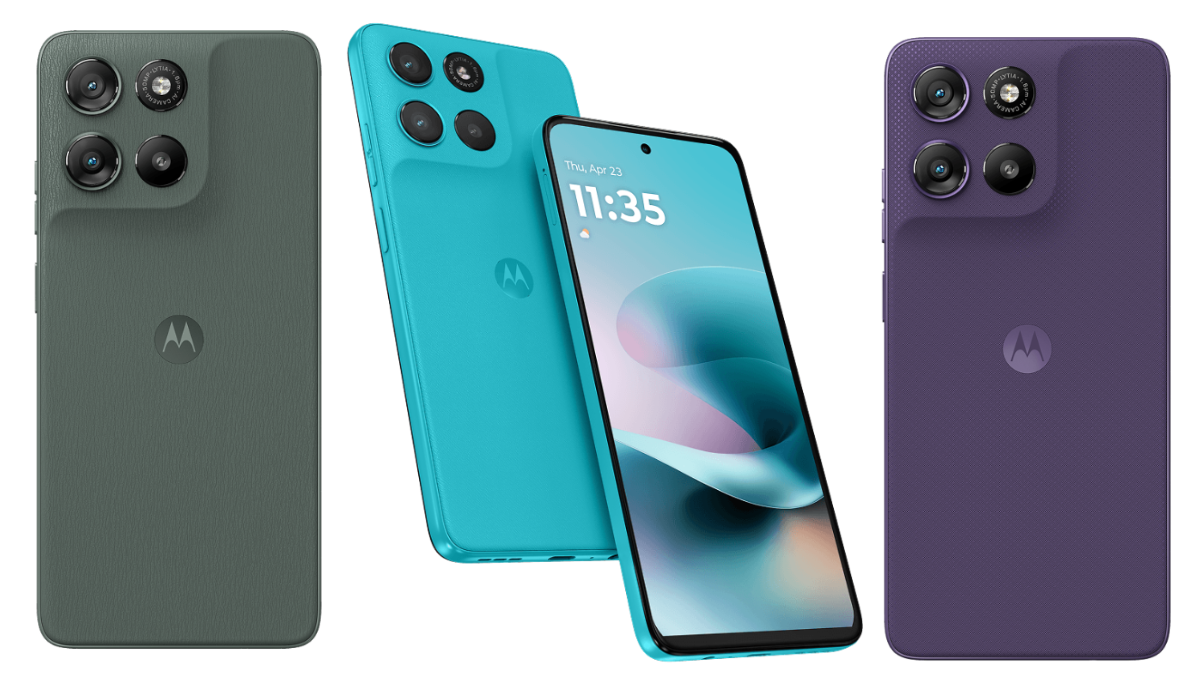
January 2026: The New Debut
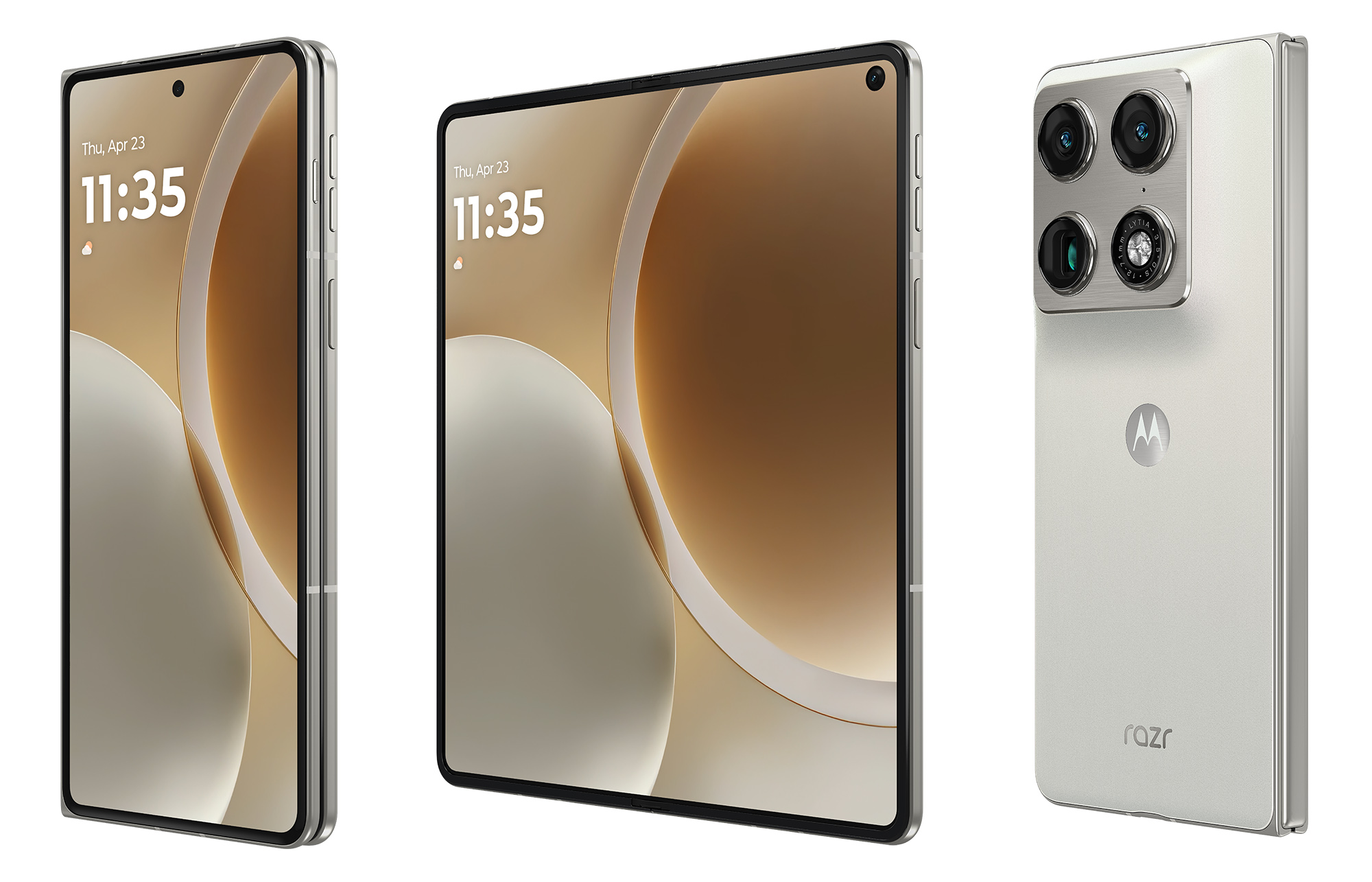
Which brings us to now. The January 2026 announcement of the Motorola Signature and the RAZR Fold is the first time in twenty years the brand feels like it's setting the pace.
It’s been a long road from singing along to a ringtone in the early 2000s to watching a global debut in 2026. Looking at this timeline, I realize that Motorola had to lose everything; their independence, their patents, and their pride, to find their way back to that “Blade” energy.
Yet, Motorola is not out of the woods. The performance of the Signature and Razr in the market as budget phones, offering significant value, and an old name, would determine what mile it can still run, before a major corporate e rebrand or who knows, it goes the way of the dinosaurs.
 Kelechi Edeh