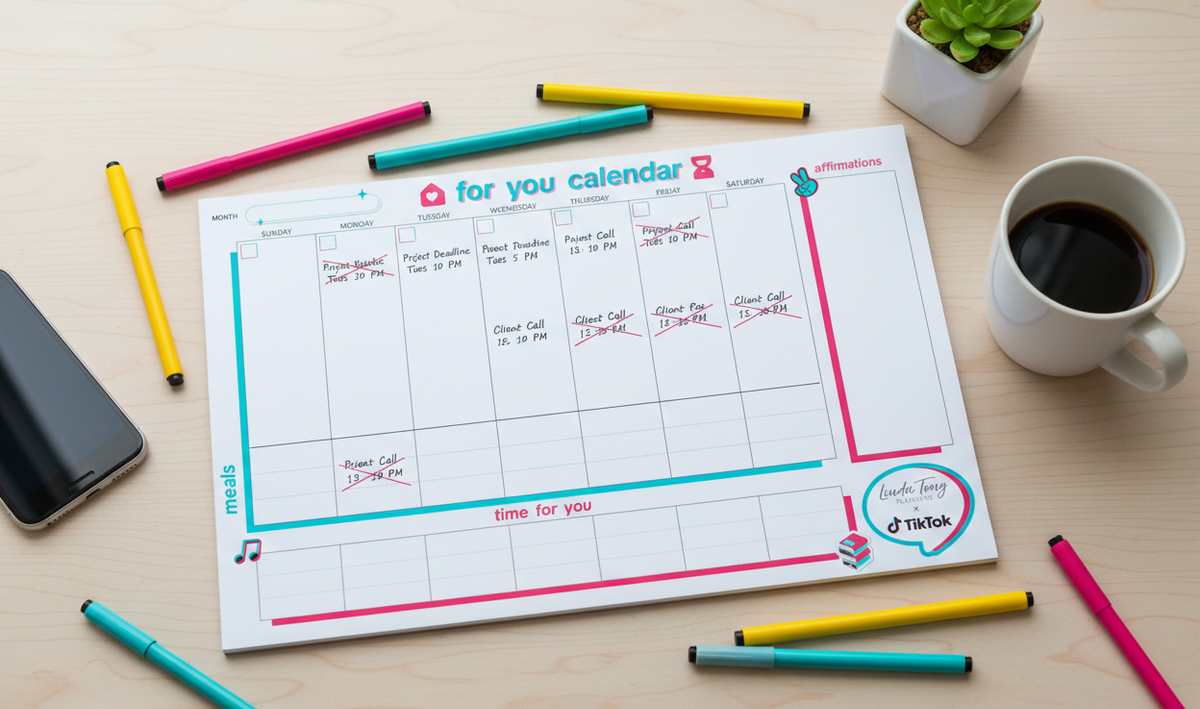
In multiple videos posted on social media, Gen Zs are "friction maxxing," a new idea that invites people to make conscious effort to include friction into their lives.
Smartphones. Amazon. Uber. YouTube. TikTok. OnlyFans. ChatGPT. Google Maps. They have become the beating engines of our daily lives. But what do they have in common?
The ability to remove almost all the friction in our lives.
Mankind has spent the last 15 years making life automated and easier. We order dinner with a tap, find love with a swipe, and generate essays with a prompt.
But Gen Zs are pushing back on this, walking on the pack, and posting advice videos on how they can reduce their screen time and engage more physically with their peers.
What is “Friction Maxxing”?
The term first got the public attention after the American writer, Kathryn Jezer-Morton wrote about it in a viral essay for The Cut. In the essay, she describes the idea as “not simply a matter of reducing your screen time, or whatever. It’s the process of building up tolerance for ‘inconvenience’ (which is usually not inconvenience at all, but just the vagaries of being a person living with other people in spaces that are impossible to completely control) — and then reaching even toward enjoyment.”
@audieoffmic Does making everything easier actually make it better? Ari Shapiro and I weigh the costs of a "frictionless" world on The Engagement Party. 📷 Watch the full conversation here: https://www.youtube.com/watch?v=GY56KSj-4Lo #cnn #podcast #Lifestyle #content fyp@Ari Shapiro
♬ original sound - Audie Cornish
In her piece, she blames tech companies for “making us think of life itself as inconvenient and something to be continuously escaping from, into digital padded rooms of predictive algorithms and single-tap commands.”
She added that the idea includes “waiting in line, getting lost, hiking, writing your grocery list on a paper.”
Friction maxxing has since become the topic of multiple podcast and guru format videos on social media.
Some people have been opting to go analogue, dumping their smartphones.
In a recent article in the Wired magazine, the writer, Elena Klein chronicled the life of, Lilah, a woman who felt like she was overwhelmed by the dopamine hits. Her solution? She decided to buy herself a “dumbphone” — a basic phone with limited or no apps and no internet. But it can connect to a Wi-Fi.
“I think my main reason for getting rid of it was that I felt like my brain was being consumed,” she told the magazine.
Lilah is not alone. Klein writes that, “most of my fellow twenty somethings want to go dumb like Lilah. I’m familiar with and sympathetic to the urge: I waste hours a day, and lose hours of sleep, to the tyranny of the scroll... But I haven’t gone dumb, and the reason is simple: I’m terrified! Ditching my smartphone would be completely disorienting.”
Globally, screen time have hit a record high. Data says that young people spend “over 7 hours a day on screens, which is roughly 43% of their waking hours.”
Last year both Malaysia and Australia ban teenagers from social media. Multiple other counties say they are considering a similar ban.
In September, British writer Paul Kingsnorth published his New York Times best-selling book, Against the Machine: On the Unmaking of Humanity, where he argued that there was a “technological-cultural matrix enveloping all of us.” So far, it seems like this campaign to reduce our reliance on smart technology is finally working.
By bringing the friction back, they are realising the “easy way” is actually the empty way.
 Ejiro Onose