



At the recent Made by Google event, the company officially introduced its Pixel 10 lineup. This year, three new slab-style smartphones are hitting the market: the Pixel 10, the Pixel 10 Pro, and the larger Pixel 10 Pro XL, which is not to be confused with the foldable Pro Fold.
All three devices launch on August 28, with prices starting at $799 and climbing as high as $1,549. That spread alone shows how different these models really are. The differences go beyond size or storage and touch almost every category.
Here’s a detailed breakdown of what you get for your money in each area and which phone stands out.
 Louis Eriakha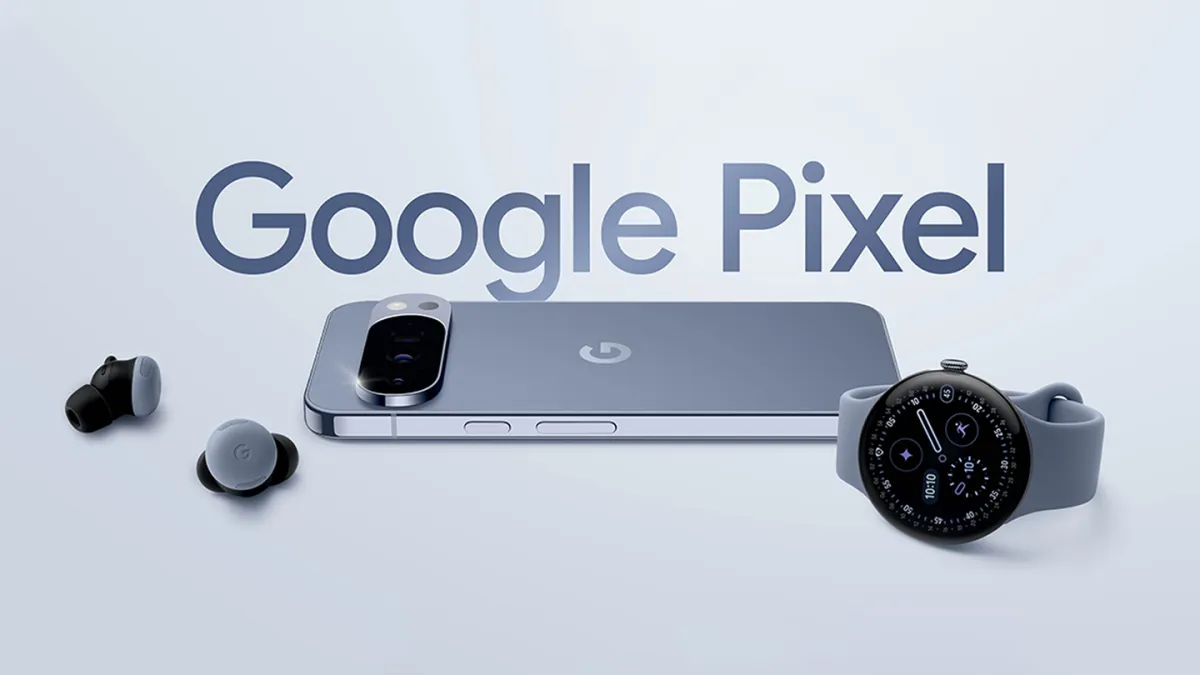
1. Size & Design: Subtle but Stylish
Google has kept the Pixel 10 lineup consistent in shape while making slight tweaks to finishes and materials. The Pixel 10 and Pixel 10 Pro share the same dimensions at 153 x 72 x 8.6 mm, weighing 204 g for the Pixel 10 and 207 g for the Pro. The Pixel 10 Pro XL is larger at 163 x 77 x 8.4 mm and heavier at 232 g.
The base model distinguishes itself with a glossy back panel paired with a matte metallic frame, while the Pro and Pro XL flip that design, featuring matte backs and glossy metallic frames. Colour choices also vary: the Pixel 10 comes in Frost, Indigo, Lemongrass, and Obsidian, while the Pro models are offered in Jade, Moonstone, Obsidian, and Porcelain.
Despite these differences, all three models are built with aluminium frames, Gorilla Glass Victus 2 for durability, and an IP68 rating for water and dust resistance. Each one keeps the bold camera bar across the back, and in the US, they are eSIM-only, as Google dropped physical SIM trays to make space for mmWave 5G radios.
Winner: Tie. They all feature a similar build with slight differences.
 Louis Eriakha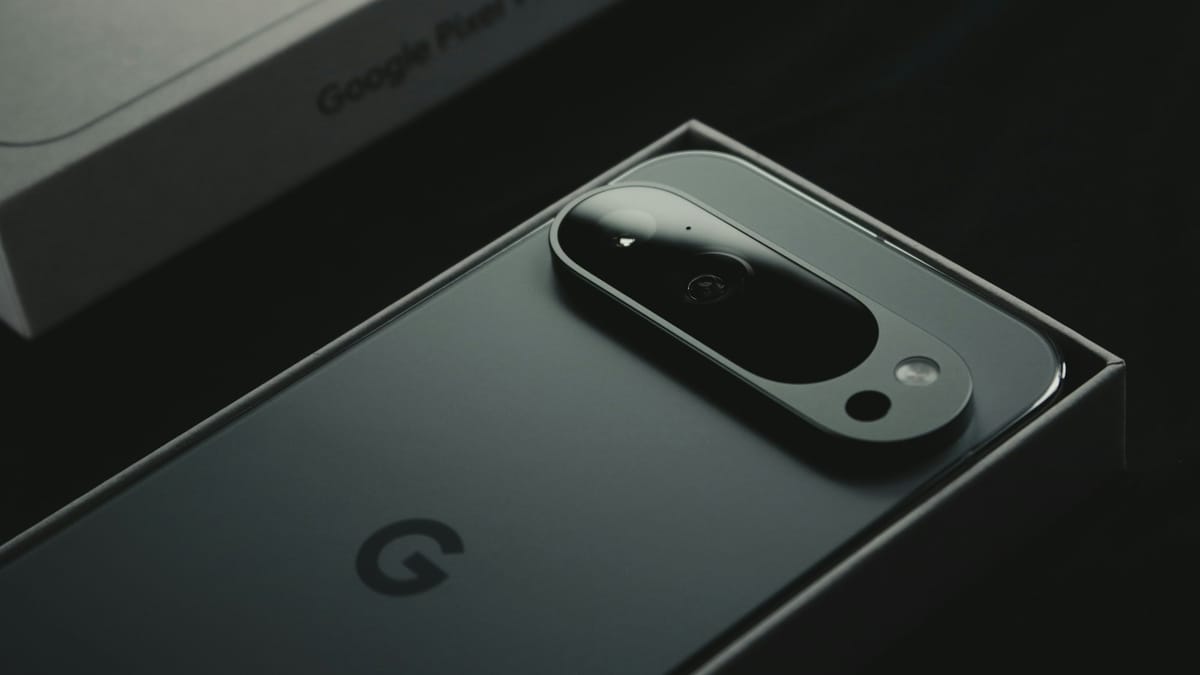
2. Display: Bigger and Brighter
Displays are one of the key areas where these phones start to separate. The Pixel 10 features a 6.3-inch OLED screen with a resolution of 2,424 x 1,080 pixels, a refresh rate ranging from 60Hz to 120Hz, and a peak brightness of 3,000 nits.
The Pixel 10 Pro keeps the same size but increases resolution to 2,856 by 1,280 pixels and uses LTPO technology, which allows the refresh rate to scale from 1Hz to 120Hz depending on what is on screen. This means smoother scrolling and better battery savings. It also gets brighter at up to 3,300 nits.
The Pro XL stretches things further with a 6.8-inch screen, a resolution of 2,992 by 1,344 pixels, and the same LTPO features as the Pro. Each phone carries the Super Actua branding, but only the Pro models deliver the full LTPO benefits.
Winner: Pixel 10 Pro XL. It offers the largest and sharpest screen, ideal for those who prioritise streaming, gaming, or simply a bigger canvas.
3. Performance: New Tensor Muscle
All three phones are powered by Google’s new Tensor G5 chip, which was built by TSMC. It represents the first major architectural change in the Tensor line, with promises of 34% faster performance and significantly improved power efficiency compared with the previous generation. The chip also brings updated processing units for photography, video, graphics, and AI.
This is where the Pro models may pull ahead. Although all three phones use the same chip, the Pixel 10 only comes with 12GB of RAM, while the Pro and XL each ship with 16GB.
Google has not confirmed whether the standard model’s chip is clocked differently, but the lower RAM could mean it falls behind when pushed with demanding apps, multitasking, or games. Until benchmarks roll in, the performance race remains too close to call.
Winner: Too soon to call.
 Ogbonda Chivumnovu
4. Battery: Endurance and Speed
Battery life has often been a sticking point for Pixel phones, but Google claims the Pixel 10 lineup now lasts up to 30 hours on a charge, a notable step up from the 24 hours of last year. This improvement comes from larger batteries and the more efficient Tensor G5 chip.
The Pixel 10 carries a 4,970mAh cell, the Pro slightly less at 4,870mAh, and the Pro XL at 5,200mAh. Charging speeds also differ. Both the Pixel 10 and Pixel 10 Pro support 30-watt wired charging and 15-watt wireless charging through Qi2, while the Pro XL supports 45-watt wired and 25-watt wireless charging. All three also work with PixelSnap, Google’s new magnetic accessory system.
Winner: Pixel 10 Pro XL. For heavy users, the XL is the clear choice thanks to its bigger battery and faster charging speeds.
5. Cameras: More Equity Across the Line
For the first time, Google is giving the base Pixel 10 a triple-lens setup that matches the Pro models in versatility, which means wide, ultra-wide, and telephoto lenses are included on every phone.
The Pixel 10 features a 48-megapixel main camera, a 13-megapixel ultra-wide, and a 10.8-megapixel telephoto lens with 5x optical zoom, along with a 10.5-megapixel selfie camera.
The Pro and Pro XL step things up with a 50-megapixel main lens, a 48-megapixel ultra-wide, and a 48-megapixel telephoto lens. The selfie camera also jumps dramatically to 42 megapixels.
These models also bring advanced video features like 8K video capture, Night Sight Video, and Google’s Video Boost. Zoom is another area where the Pros dominate, offering 100x Super Res Zoom compared with 20x on the Pixel 10.
Winner: Pixel 10 Pro and Pixel 10 Pro XL. The Pixel 10 makes photography more accessible at a lower cost, but for serious photo and video work, the Pro models stand apart.
 Oluwaseun Bamisile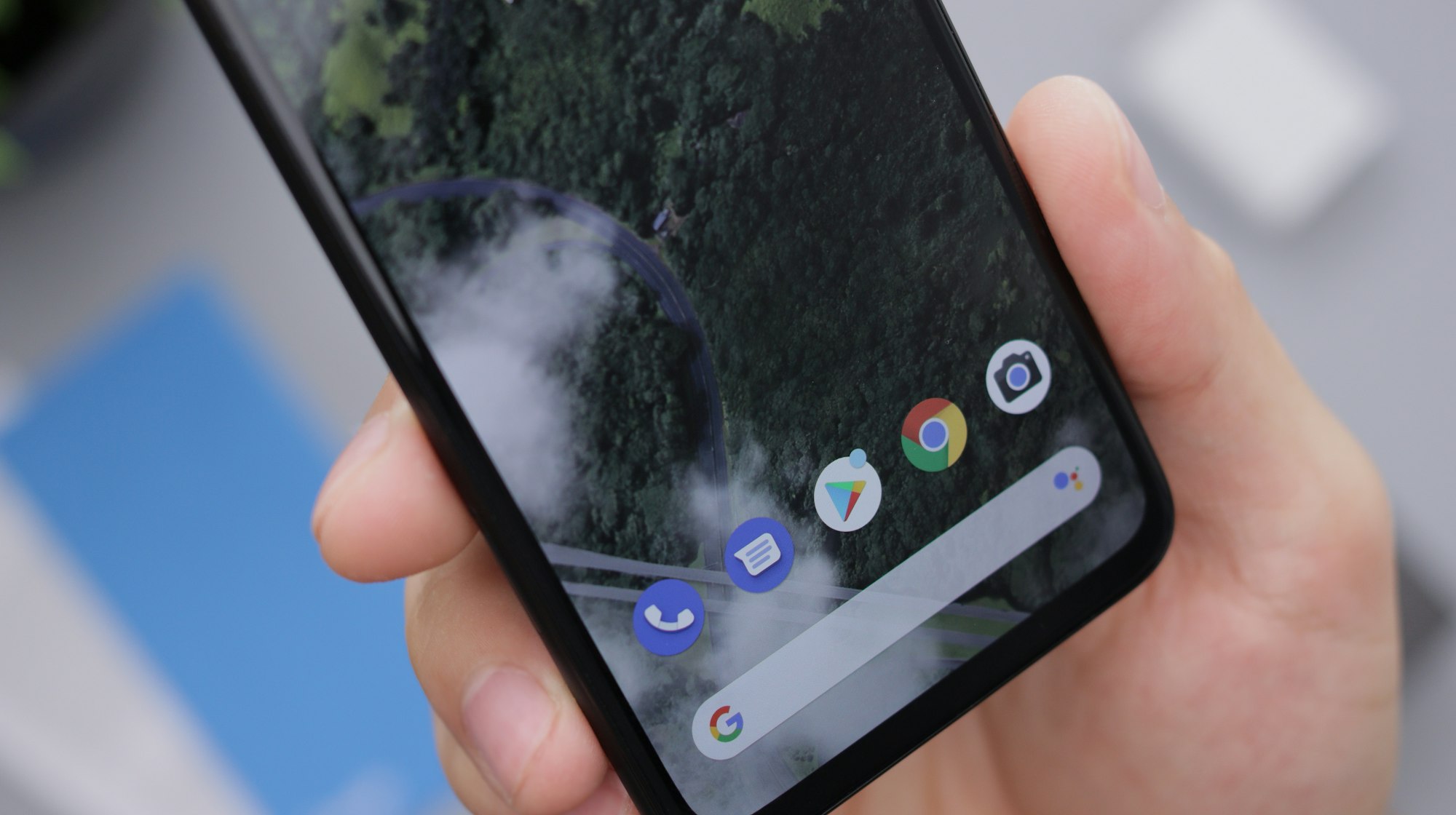
6. Price: Clear Separation
Speaking of cost, this is where the phones part ways most dramatically. The Pixel 10 starts at $799 for the 128GB version and goes up to $899 if you want 256GB of storage.
The Pixel 10 Pro begins at $999 for 128GB and scales to $1,099 for 256GB, $1,219 for 512GB, and tops out at $1,449 for the 1TB model. The Pixel 10 Pro XL starts higher at $1,199 for 256GB, then climbs to $1,319 for 512GB, and reaches $1,549 for the 1TB version.
That means the most expensive Pixel 10 Pro XL costs nearly double the entry-level Pixel 10, which makes storage planning just as important as picking between models.
Winner: Pixel 10. The standard Pixel 10 strikes the best balance between price and performance.
7. Software: Same Google Experience
Software is the most consistent area of all. Every Pixel 10 ships with Android 16, seven years of guaranteed updates, and the latest Gemini Nano AI tools. Features like Magic Cue and Camera Coach work across the board.
The only meaningful differences come in connectivity. The Pixel 10 supports Wi-Fi 6E, while the Pro and Pro XL move up to Wi-Fi 7 for faster wireless speeds.
All three work with sub-6GHz, C-band, and mmWave 5G, offer Bluetooth 6.0, dual-band GPS, NFC, and stereo speakers. Each includes an under-display fingerprint sensor, though only the Pro models add a built-in thermometer.
Winner: Tie. In day-to-day use, the experience is essentially identical.
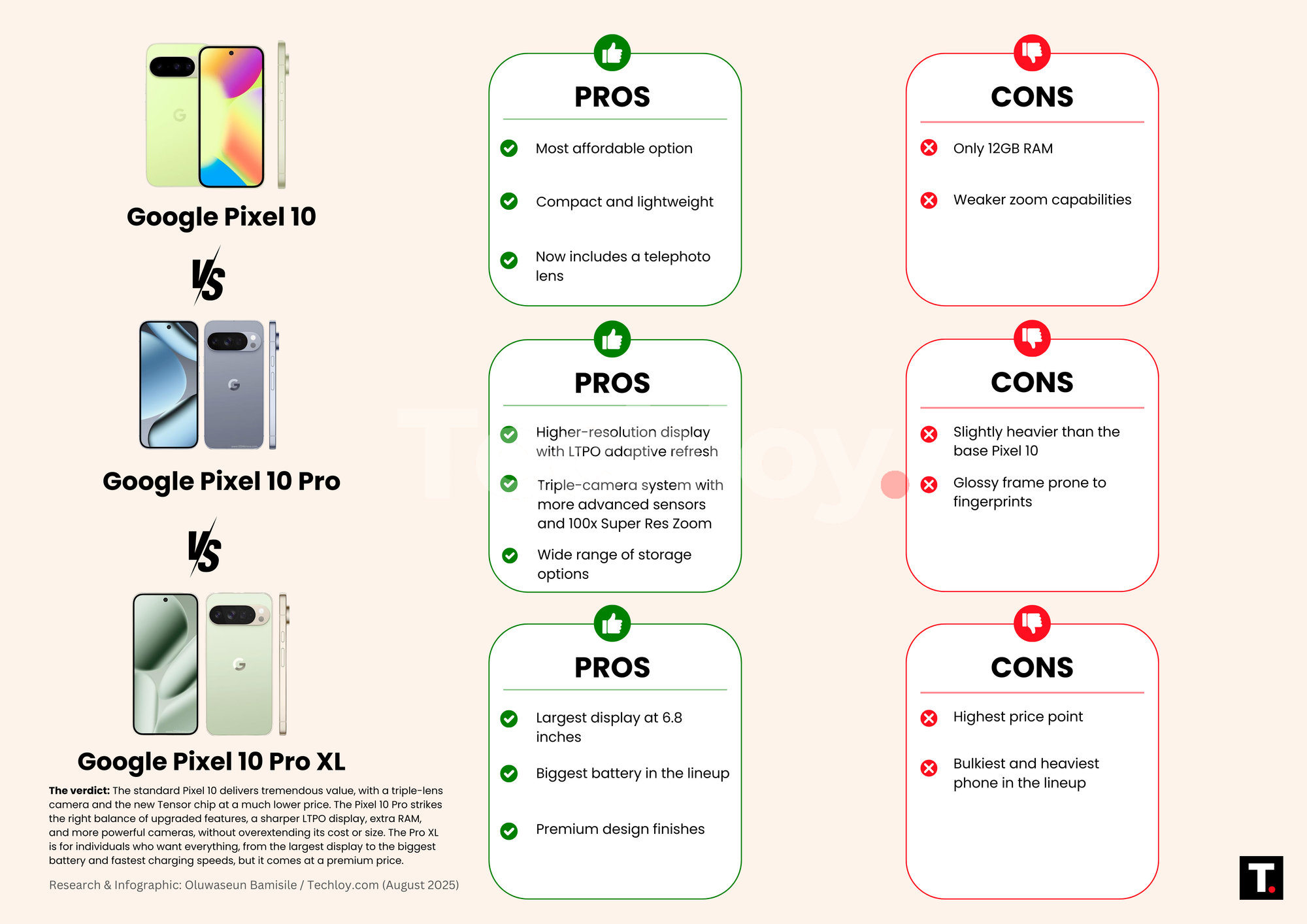
Verdict
The Pixel 10 lineup gives buyers more choice than ever. The standard Pixel 10 delivers tremendous value, with a triple-lens camera and the new Tensor chip at a much lower price.
The Pixel 10 Pro strikes the right balance of upgraded features, a sharper LTPO display, extra RAM, and more powerful cameras, without overextending its cost or size. The Pro XL is for individuals who want everything, from the largest display to the biggest battery and fastest charging speeds, but it comes at a premium price.


