



For years, regulators, especially in the EU, have pushed big tech to open up their platforms. Apple has especially been a victim of this with the regulators pushing for it to allow sideloading in Europe under the Digital Markets Act, ending its iron grip on the App Store.
Google, on the other hand, has always allowed sideloading on Android. But that openness has come with its own problems: more malware, more scams, and more bad actors slipping through the cracks. Now, Google is changing course slightly, not by shutting down sideloading, but by tightening the rules to make it safer.
 Ogbonda Chivumnovu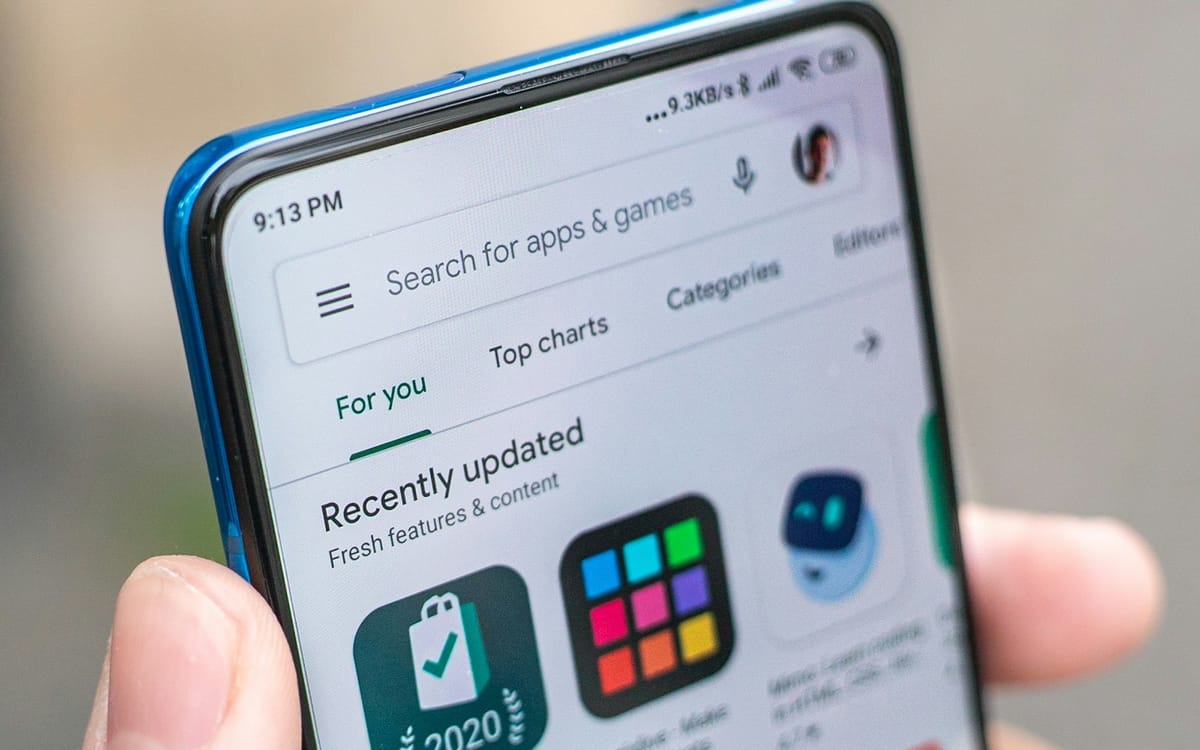
The company announced that starting in 2026, Android will require all apps on certified devices, whether from the Play Store, third-party app stores, or direct downloads, to come from verified developers. In other words, if you want people to install your app on an Android phone, you’ll need to prove who you are.
Developers will need to provide a legal name, address, email, and phone number. Google says student and hobbyist developers will have access to a separate Android Developer Console designed with lighter requirements, while commercial developers will need to go through the full verification process. The goal is to make sure that if a malicious app is discovered and pulled, the person behind it can’t simply reappear under a new alias the next day.
Here’s how the rollout works. In October 2025, Google will open early access to let developers sign up and test the system. By March 2026, verification will be available to everyone. Then, in September 2026, the rule becomes mandatory in Brazil, Indonesia, Singapore, and Thailand. Starting in 2027, the requirement will expand globally, eventually covering nearly all Android devices with Google services.
According to Google's own research, malware is over 50 times more common in apps downloaded from the open internet than those from the Play Store, where identity verification has already been required since 2023, so this move feels like a long time coming. Banks and government agencies in countries like Brazil and Thailand have even backed the move, citing fraud prevention as a major benefit.
 Louis Eriakha
It’s a significant shift for Android. The platform isn’t losing its openness, sideloading is still very much alive, but the 'wild west' days of anonymous distribution are ending. In a way, this feels like Google trying to balance its reputation for freedom with the kind of guardrails Apple has enforced for years. Whether you see it as overdue or overbearing, one thing’s clear: sideloading on Android is about to get a whole lot more official.


