



Carbon monoxide detector awareness is one of the most important steps families can take to stay safe indoors, especially because this gas cannot be seen, smelled, or tasted. However, many people still underestimate how quickly carbon monoxide can build up inside homes. As a result, indoor safety plans often focus on fires while ignoring gas exposure. Because both dangers frequently come from the same sources, such as heaters and stoves, they should always be considered together.
Carbon monoxide is produced when fuel does not burn completely. Therefore, appliances that use gas, wood, or coal can become silent threats if they malfunction. While fires are loud and visible, carbon monoxide spreads quietly, which makes early detection essential. Consequently, detectors play a life-saving role when placed correctly and maintained properly.
Why Fire Safety Alone Is Not Enough Indoors
Although fire alarms are essential, they do not protect against gas exposure. Fire safety focuses on flames and smoke, yet carbon monoxide often appears without either. Because of this difference, homes that rely only on fire alarms remain at risk. Moreover, modern homes are tightly sealed for energy efficiency, which unfortunately allows gas to build up faster.
When heating systems run for long periods, especially during winter, small leaks can become dangerous. Therefore, indoor safety planning should include gas detection along with fire prevention. By combining both strategies, families gain a stronger layer of protection and reduce the chances of unexpected emergencies.
Understanding How Carbon Monoxide Builds Up Indoors
Carbon monoxide forms when fuels burn without enough oxygen. For example, blocked vents, dirty burners, or damaged chimneys can all cause unsafe gas levels. While these problems may seem minor at first, they can escalate quickly. Because symptoms often feel like common illnesses, exposure is frequently missed.
Headaches, dizziness, and nausea are early warning signs. However, people may not connect these symptoms to gas exposure. This is why relying on physical signs alone is dangerous. Instead, a carbon monoxide detector provides a clear alert before levels become life-threatening.
How the X-Sense XC01-R Portable CO Detector Fits Modern Homes
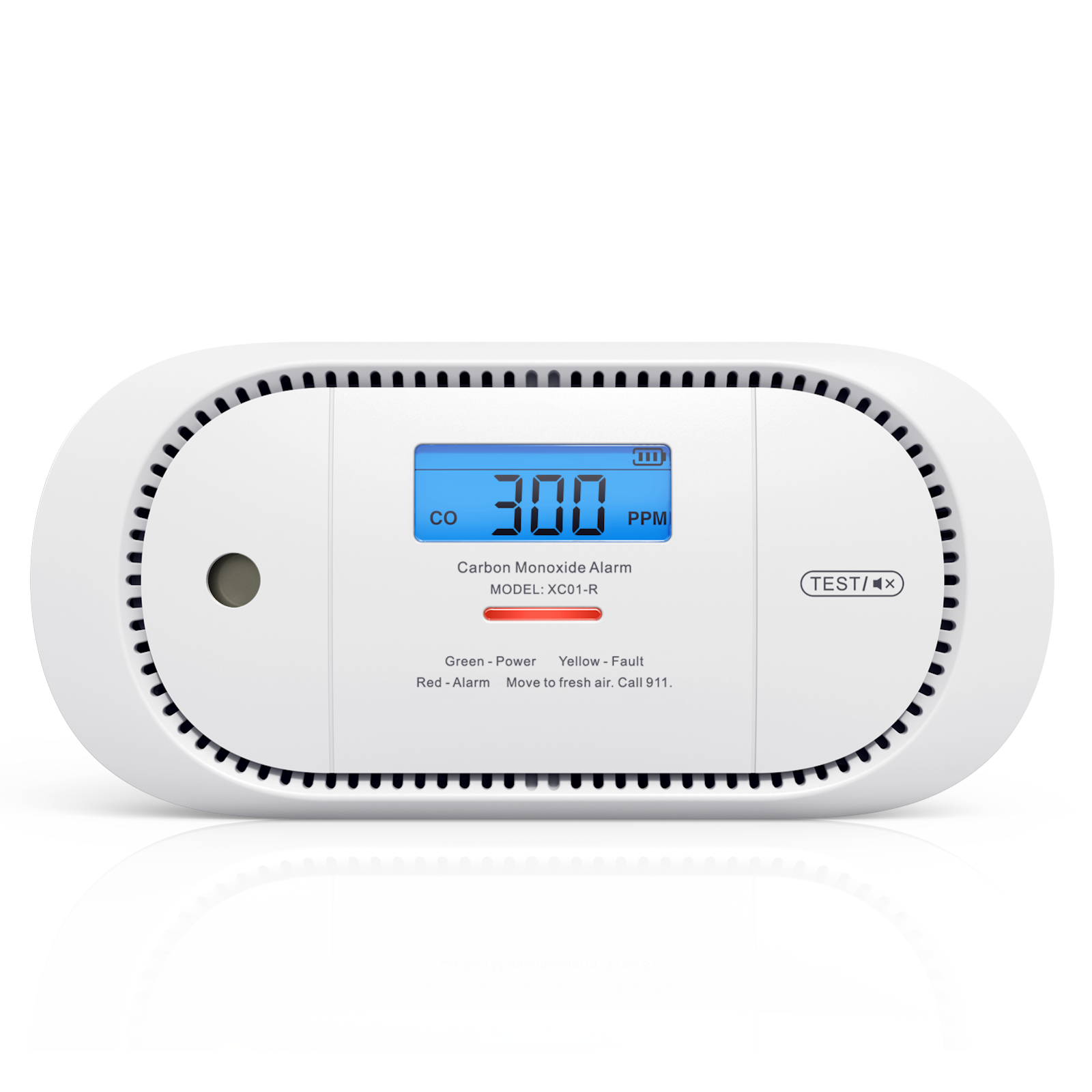
The X-Sense XC01-R portable CO detector offers flexibility for modern living spaces. Because it is portable, it can be used in bedrooms, living rooms, or even during travel. This flexibility makes it useful for people who move often or spend time in different indoor environments.
Unlike fixed detectors, portable models can be placed closer to potential gas sources. As a result, detection becomes faster and more accurate. Furthermore, portability allows users to test air quality in unfamiliar places, such as rental homes or vacation cabins, where built-in systems may not exist.
Choosing the Right Carbon Monoxide Detector for Your Needs
Selecting the right carbon monoxide detector depends on lifestyle, home layout, and daily habits. Some homes benefit from hard-wired systems, while others need portable solutions. Therefore, understanding personal risk factors is essential before choosing a detector.
For example, homes with fireplaces or attached garages face higher exposure risks. Similarly, families with young children or elderly members need faster alerts. Because different detectors offer different features, research helps ensure the right choice. Trusted safety organizations such as the CDC and the U.S. Consumer Product Safety Commission provide updated guidance on indoor gas risks and detector placement.
External resources you can explore include the Centers for Disease Control and Prevention for health information and the Consumer Product Safety Commission for home safety standards.
Proper Placement and Use for Maximum Safety
Placement directly affects performance. Detectors should be installed near sleeping areas so alerts can be heard at night. Additionally, units should not be placed too close to fuel-burning appliances, because false alarms may occur. Instead, a balanced distance allows accurate detection.
Regular testing is also critical. Although many people install detectors, they forget to test them. Because batteries lose power over time, monthly checks ensure reliability. A carbon monoxide detector only protects when it functions properly, so maintenance should never be ignored.
Why Portable Detection Adds an Extra Safety Layer
Portable detection adds protection where permanent systems cannot reach. For example, during home renovations, gas exposure risks increase. Similarly, older buildings may lack modern ventilation. Therefore, having a portable solution creates an extra safety layer.
The X-Sense XC01-R portable co detector allows users to respond quickly in changing environments. Because safety risks do not stay in one place, detection should not either. This flexibility supports safer habits both at home and away.
Combining Fire and Gas Safety Into One Plan
Fire and gas safety should work together rather than separately. Since both hazards often come from the same appliances, one problem can trigger another. For instance, a faulty heater can cause both fire risk and gas buildup. Therefore, combined safety planning reduces overall danger.
Creating a routine that includes appliance checks, ventilation reviews, and detector testing improves long-term safety. A carbon monoxide detector plays a central role in this system by providing early warnings that prevent emergencies before they escalate.
Frequently Asked Questions
What makes carbon monoxide especially dangerous indoors
Carbon monoxide is dangerous because it has no smell or color, so people cannot detect it without a detector. As a result, exposure can happen without warning.
How often should detectors be tested
Detectors should be tested once a month. Additionally, batteries should be replaced as recommended by the manufacturer.
Can portable detectors replace fixed ones
Portable detectors add protection but should not fully replace fixed systems. Instead, they work best when used together.
Where should detectors be placed in a home
Detectors should be placed near sleeping areas and on each level of the home. However, they should be kept away from direct heat sources.
Is one detector enough for an entire house
One detector may not cover all areas. Larger homes benefit from multiple units for complete coverage.
Conclusion
Indoor safety improves when fire and gas risks are addressed together. While fire alarms remain essential, they do not detect invisible threats. A carbon monoxide detector fills this gap by alerting families before symptoms appear. When combined with smart placement, regular maintenance, and portable options like the X-Sense XC01-R portable co detector, protection becomes stronger and more reliable.


