In today's competitive business environment, attracting attention requires more than a strong online presence or a well-designed physical display. Consumers interact with brands across multiple channels, often moving between digital and in-person experiences before making purchasing decisions. As a result, businesses are increasingly combining physical displays with digital marketing strategies to create stronger brand visibility, improve customer engagement, and maximize the return on their marketing investments.
This integrated approach allows companies to create consistent experiences that connect with audiences wherever they encounter the brand.
The Shift Toward Omnichannel Brand Visibility
Modern consumers rarely engage with businesses through a single channel. A potential customer may discover a company on social media, visit its website, encounter its booth at a trade show, and later respond to a digital advertising campaign.
As customer journeys become more complex, businesses are focusing on creating seamless connections between online and offline experiences. Companies that successfully integrate physical and digital marketing often strengthen brand recall and create more meaningful customer interactions.
Rather than viewing trade shows and digital marketing as separate initiatives, many organizations now treat them as complementary components of a larger visibility strategy.
Why Physical Displays Continue to Matter
Despite rapid advancements in digital marketing, physical displays remain one of the most effective ways to capture attention and create memorable brand experiences. Trade shows, conferences, retail activations, and industry events allow businesses to interact directly with customers and prospects in ways that online channels cannot fully replicate.
Face-to-face engagement builds trust, encourages conversation, and provides opportunities for customers to experience products and services firsthand. Strong visual branding, professional signage, and engaging booth designs help businesses stand out in crowded environments and create lasting impressions.
Physical displays also provide valuable opportunities to generate content that can later support digital marketing campaigns.
Connecting Event Marketing with Digital Engagement

One of the biggest opportunities for modern brands lies in extending the impact of physical events through digital channels. Businesses are increasingly using QR codes, social media campaigns, mobile experiences, live-streaming, and digital lead-capture tools to bridge the gap between in-person engagement and online interaction.
One of the reasons businesses continue investing in trade shows is their ability to create visibility that extends far beyond the event itself. A well-executed booth design can attract attendees, generate conversations, create social media content, and support future marketing campaigns long after the exhibition ends.
A good example can be seen in look our way case study, which highlights how strategic event branding and display solutions helped enhance visibility at a major industry exhibition. This example shows how businesses can use professionally designed displays to attract attention on the show floor, reinforce brand recognition, strengthen audience engagement, and support broader marketing goals across multiple channels.
This approach helps organizations maximize the value of event participation while extending visibility well beyond the physical venue.
Technology Is Bridging the Online and Offline Experience
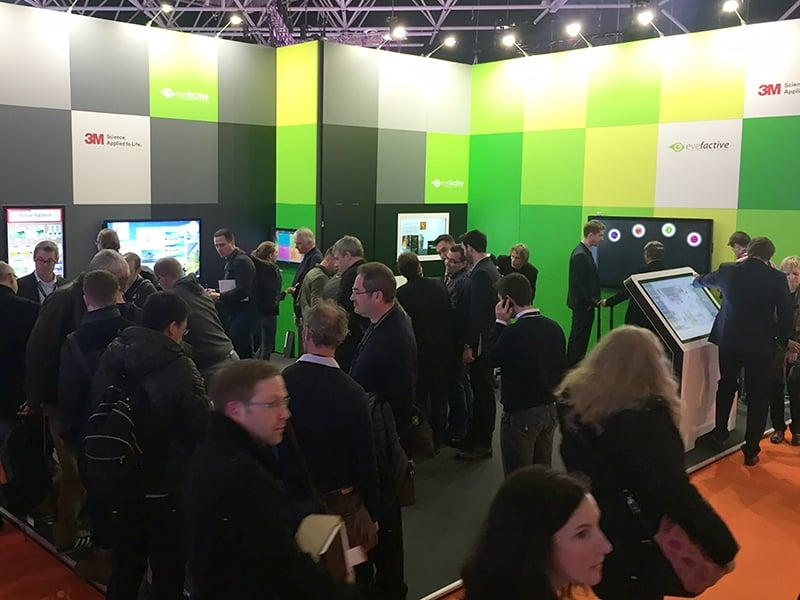
Technology is playing an increasingly important role in connecting physical displays with digital marketing efforts. Interactive screens, digital signage, event applications, augmented reality experiences, and customer analytics tools are helping brands create more engaging and measurable interactions.
These technologies allow businesses to capture valuable customer insights, improve lead generation, and create personalized experiences that continue after the event.
As digital tools become more sophisticated, organizations are finding new ways to transform physical engagement into long-term digital relationships.
Consistency Builds Stronger Brand Recognition
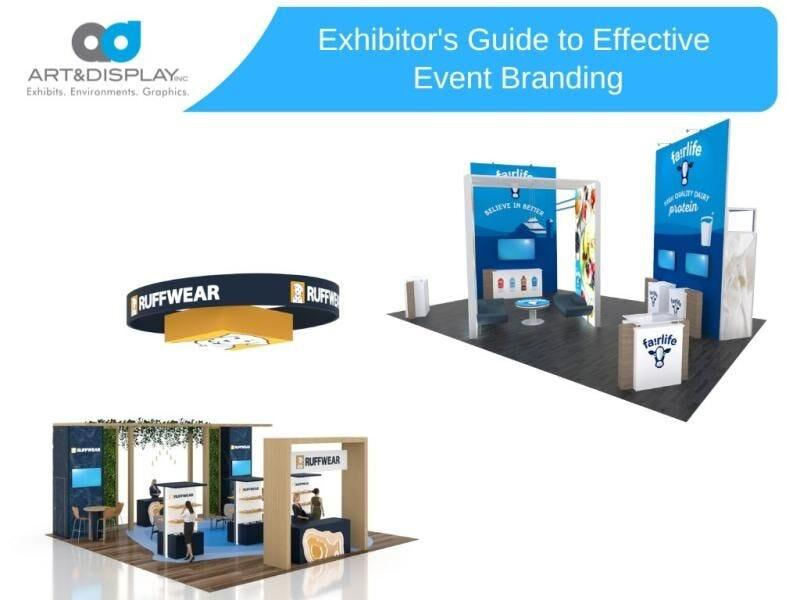
One of the greatest benefits of combining physical and digital marketing is the ability to create a consistent brand experience. Customers who encounter a company at an event should recognize the same visual identity, messaging, and value proposition across the brand's website, social media channels, and digital advertisements.
Consistency helps strengthen trust and improves the likelihood that consumers will remember the brand when making future purchasing decisions.
Businesses that align their physical displays with their digital marketing strategies often create stronger overall brand recognition than those that treat each channel independently.
Data Is Making Marketing More Effective
The integration of physical and digital marketing also provides businesses with access to better data and performance insights. Event attendance metrics, lead generation reports, website traffic, social media engagement, and customer behavior analytics help organizations evaluate campaign effectiveness more accurately.
This data-driven approach allows businesses to improve future marketing efforts, allocate resources more effectively, and identify opportunities for stronger customer engagement.
By combining physical interactions with digital analytics, companies gain a more complete understanding of how customers discover and engage with their brands.
The Future of Integrated Brand Marketing
As consumer expectations continue evolving, the connection between physical displays and digital marketing will become even more important. Businesses are increasingly investing in hybrid experiences that combine in-person interaction with digital engagement, creating more flexible and scalable marketing strategies.
Consumers expect brands to deliver consistent and engaging experiences regardless of where interactions occur. Organizations that successfully integrate physical visibility with digital reach will be better positioned to strengthen awareness, build customer loyalty, and maintain a competitive advantage.
The future of brand visibility will belong to companies that understand how to connect every customer touchpoint into a unified experience.
Conclusion
Brands are achieving greater visibility by combining the impact of physical displays with the reach and scalability of digital marketing. Trade shows, experiential events, and promotional displays continue to provide valuable opportunities for direct engagement, while digital channels help extend those interactions and reinforce brand messaging.
By integrating these strategies, businesses can create stronger customer experiences, improve marketing performance, and build long-term brand recognition in an increasingly connected marketplace.