



Over the years, virtual reality (VR) has been marketed as the next frontier of work, entertainment, and even social connection. But if you’ve ever tried VR, you know the barrier to entry hasn’t been just a learning curve; it’s cost.
While the Apple Vision Pro did wow audiences last year, at $3,499 and weighing around 600g, it’s a luxury experience most of us can only admire from afar. Even the Meta Quest 3, at $499, remains out of reach for many everyday users.
Now, Chinese brands are stepping in with a different strategy to make VR cheaper, lighter, and accessible enough to bring millions into the fold. Vivo, for example, just unveiled its Vision Discovery Edition mixed reality (MR) headset, which also happens to be the very first one to run on Android. At 398g, it’s about 35% lighter than the Apple Vision Pro, and early pricing reports from Gizmodo suggest ¥10,000 (~$1,400), roughly a third of Apple’s.
But Vivo isn’t alone in reshaping the space
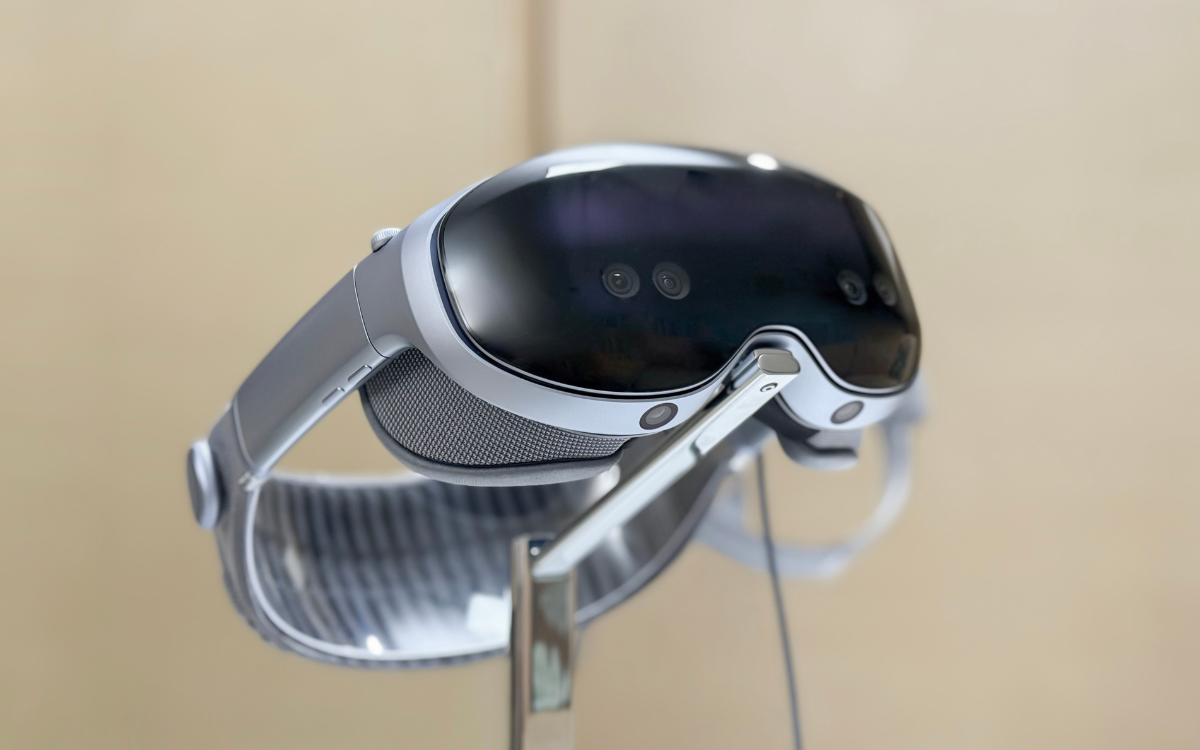
Chinese brands like XREAL, Viture, and TCL are growing in shipments. XREAL, for instance, climbed to #2 globally, Viture’s shipments jumped +268% year-on-year (YoY), and TCL grew +91.6%. Collectively, lightweight extended reality (XR) glasses makers now account for over 22% of the global AR/VR market.
So, the message is pretty clear: consumers and businesses are starting to prefer lighter, more practical devices that don’t break the bank.
The timing for this growth also matters for Chinese brands. The global AR/VR market grew 18.1% YoY in Q1 2025 (via IDC), a rebound after years of slow adoption. Meta still holds 50.8% of the market, yes, but Apple and Sony were notably absent from the top rankings that quarter.
IDC predicts a dip in 2025 shipments (–12%) due to delayed launches and tariffs, followed by a strong rebound in 2026 (+87%), with an overall 38.6% CAGR through 2029. In other words, the demand curve is steepening, and Chinese brands are in a prime position to capitalize.
Affordability isn’t a numbers game but a deliberate strategy
Just as Xiaomi, Oppo, and Huawei broke into the smartphone market a decade ago by offering premium features at half the price, today’s Chinese VR manufacturers are doing the same. Meta may lead in the West, and Apple has the luxury segment locked down, but lighter, cheaper headsets could drive mass adoption first in Asia and other cost-sensitive markets before spreading globally.
There’s also a platform angle worth watching. For companies like ByteDance (owner of VR headset maker, Pico), VR is more than hardware; it’s a content and ecosystem play. Bundling headsets with TikTok-adjacent platforms gives Chinese tech firms a way to compete beyond Apple and Google’s app stores, potentially shaping the next dominant digital space.
 Emmanuel Oyedeji
Of course, challenges remain.
Affordable hardware alone won’t guarantee long-term engagement as VR still needs compelling content, seamless user experiences, and real-world use cases beyond gaming. But if history is any guide for us, affordability has a way of changing behavior. Think of how smartphones went from luxury to necessity once prices dropped.
The big question is how Western companies respond. Will Meta cut prices further? Can Apple produce a lighter, more affordable Vision Pro without diluting its premium brand? Or will China, once again, set the pace for how fast a technology moves from “early adopter” to mainstream?
Either way, the race is on, and this time, China looks determined not just to participate, but to lead.


