



Sometimes it seems to me that esports has become a natural continuation of how games have entered the lives of millions of people. Playing was once seen as just entertainment, but today it is a full-fledged industry with tournaments, contracts, and huge prize pools.
I notice more and more stories about people who started with casual evening matches with friends and eventually found themselves on big stages. At the same time, the path to a professional career is rarely simple — it requires discipline, consistency, and the ability to learn. And perhaps the most interesting part is that this path is unique for everyone, with its own examples and stories.
First Steps: Online Games and Streaming
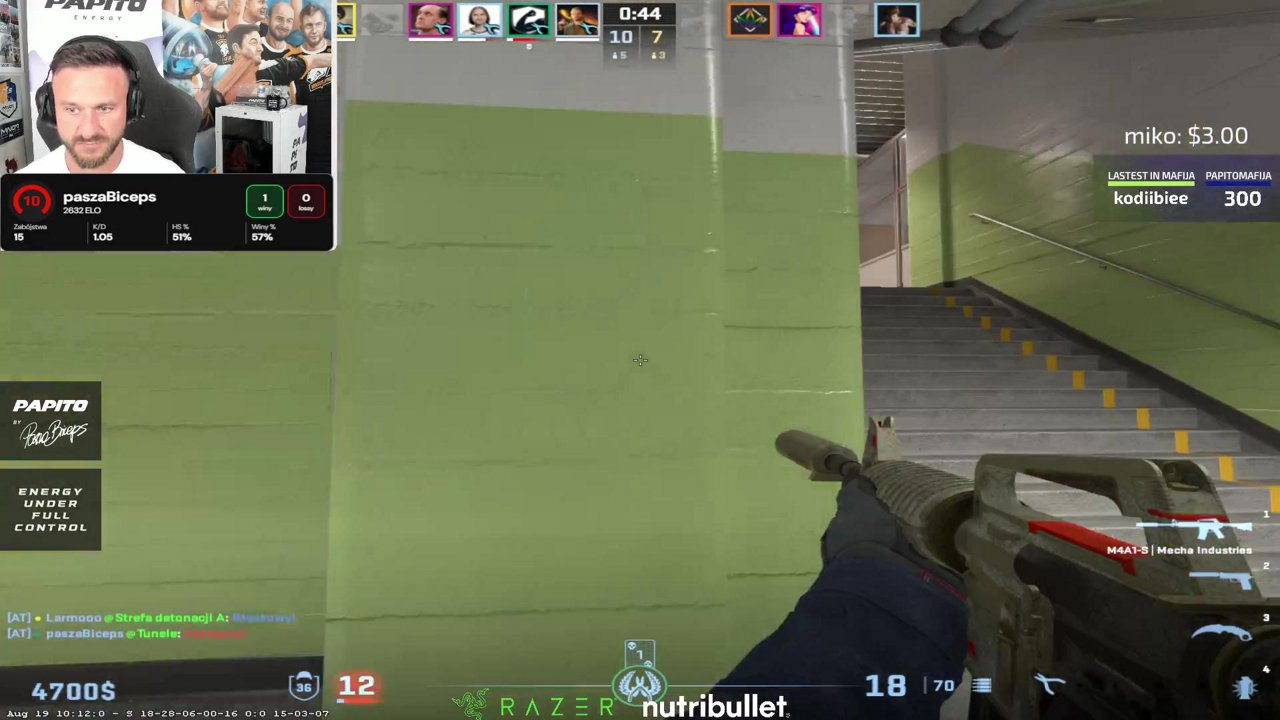
For many players, the starting point is simple evening matches in popular disciplines like CS2, Dota 2, or Valorant. Gradually, this hobby turns into a desire to showcase their skills to a wider audience. Today, any gamer has the opportunity to go live and share their gameplay online.
Sometimes it all begins with small broadcasts for just a handful of friends, but over time an audience appears that values the player’s style of play or charisma. A huge number of young players stream their matches through cs2 live streams, where they catch the attention of viewers and sometimes even professional organizations. For example, several well-known CS players first gained popularity as streamers and only later received invitations to tournaments. A good example is those who stood out with an unusual style of play or the ability to comment on their actions during a match.
Of course, this is not a guaranteed path to a professional career, but it shows how important public presence and the ability to engage an audience have become. Players who know how to communicate with viewers, create atmosphere, and share their experience get a much better chance of being noticed. And even if the path to esports does not work out, streaming itself can still grow into a full-fledged career — whether it’s blogging, content creation, or working as an analyst for professional teams.
Teamwork and Discipline
In my opinion, esports is impossible without teamwork. Even if a player is incredibly strong individually, without proper interaction with others, progress will be very limited. A great example is disciplines like Dota 2 or League of Legends, where success is built on the synergy of five people. In these games it becomes clear that teamwork is more important than any personal statistics: if one person plays perfectly but doesn’t support teammates, victory will not happen.
I often come across stories of teams that literally started from scratch, gathering online, setting up training schedules, and learning how to communicate with each other. Over time, such lineups developed a structure: a captain, a coach, an analyst, and sometimes even a psychologist. This is already close to traditional sports, where discipline and consistency stand on the same level as talent.
One example that comes to mind is OG in Dota 2, who managed to win The International thanks to incredible team cohesion, even when their opponents were considered stronger in terms of individual skills. Or in the CS scene, there are stories of mid-tier teams suddenly making it to top tournaments simply because they maintained discipline and distributed roles wisely. All of this shows that it is teamwork that makes esports so similar to football or basketball — it’s not individuals who win, but entire systems.
Tournaments as a Growth Point
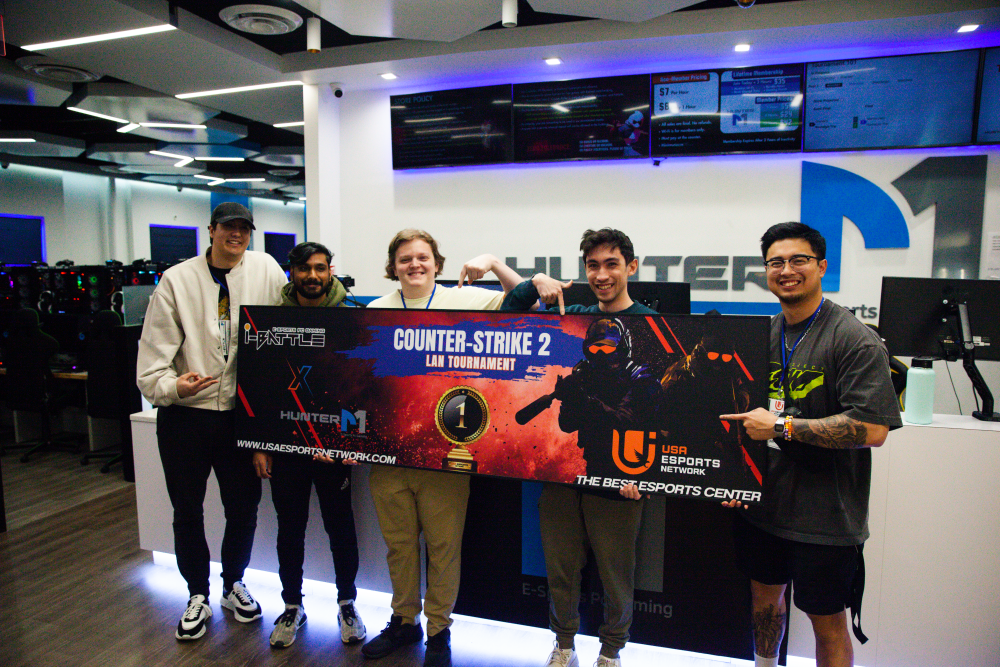
I think tournaments are the real test for any player. Even local online events with small or symbolic prizes turn out to be far more important than they might seem at first. They provide the experience of playing under pressure, where the cost of a mistake is higher than in a regular match. It is in tournaments that not only mechanics are tested, but also the psychological readiness to handle tension.
There are many stories of players from small regional teams who started by participating in local competitions, gathering friends into mix rosters and gradually climbing higher. Some of them eventually made it onto big stages — as was the case with several CIS teams that first won local online events and later earned invitations to international qualifiers.
Tournament practice builds resilience, and without it, it’s impossible to establish yourself in esports. A player may be very strong in matchmaking, but once the cameras are on and the audience is watching, their level can suddenly drop. I’ve seen examples of talented players struggling specifically at their first LAN tournaments, and only hard work eventually helped them adapt to the environment. That’s the real value of consistently taking part in competitions: each tournament becomes a step closer to the professional scene.
Support and Infrastructure
Right now, it’s especially important that players have more and more opportunities for growth thanks to academies, coaches, and analysts. If in the past the path into esports looked more like a spontaneous story — random rosters, rare tournaments, and little structured preparation — today a full-fledged system is taking shape. For example, many organizations are creating youth rosters and academies, inviting promising players to develop and gradually transition into the main teams.
This resembles the system in traditional sports, where there are children’s schools and junior teams. In esports, we are increasingly seeing strategy coaches, psychologists, and even physical training specialists. Analysts, who once seemed like a luxury, have now become an essential part of the structure — helping teams break down opponents and identify weaknesses in their own play.
A good example would be clubs like NAVI or Fnatic, who actively invest in academy projects. Their young rosters regularly participate in separate tournaments and become a real “talent factory” for the main stage. Thanks to such support, new players get a chance not just to “get noticed” on a stream or a random tournament, but to go through systematic training and secure a real contract.
I am convinced that without this kind of infrastructure, the path from amateur to professional would be much harder, and the development of the scene as a whole would remain at a much lower level.
Conclusion
To me, it’s clear that the path from a hobby to a career in esports is shaped by many factors: dedicated practice, openness to audiences, participation in tournaments, and of course, external support. Some people find their way through streaming, others through academies or local teams. But in any case, success comes to those who don’t limit themselves to playing just for fun, but approach it with a systematic mindset.


