



It's 5:30 AM, and you're trying to squeeze in a workout before the household wakes up. Today's technology offers solutions that combine whisper-quiet operation with sophisticated performance tracking, making it possible to achieve effective workouts without sacrificing peace and quiet.
Modern treadmills have evolved significantly, incorporating advanced noise reduction technologies and smart monitoring systems that transform how we exercise at home. Whether you're an early morning runner or a late-night fitness enthusiast, choosing the right treadmill involves understanding key factors like motor efficiency, cushioning systems, and performance metrics. This guide will walk you through essential criteria for selecting a treadmill that delivers both silent operation and comprehensive workout tracking, ensuring your home fitness journey is both considerate and effective.
Understanding Noise Levels in Treadmills (Decoding the Decibels)
When evaluating treadmill noise levels, it's crucial to understand that anything below 60 decibels (dB) - equivalent to normal conversation - is considered acceptable for home use. The primary sources of noise come from two distinct categories: motor operation and impact noise.
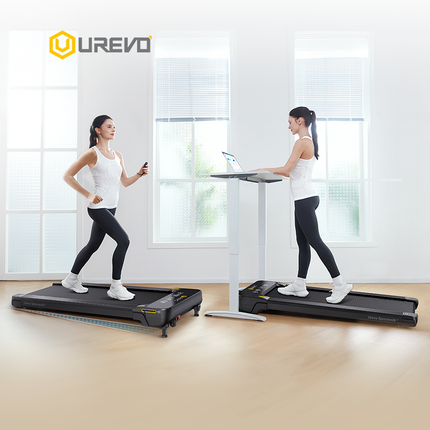
Motor type significantly influences operational noise. This friction creates a characteristic whirring sound that increases with speed and user weight. The mechanical connection between these components can amplify vibrations through the frame, potentially creating additional noise in your home's structure.
Understanding the difference between impact noise (footfall) and operational hum helps in selecting the right machine. Modern treadmills address both through advanced engineering, using reinforced frames with vibration-dampening materials and sophisticated belt systems that minimize friction.
Why Treadmill Incline Revolutionizes Your Workout Efficiency
Training with treadmill incline dramatically transforms the effectiveness of your treadmill workouts. While running on a flat surface burns approximately 100 calories per mile, adding just a 2% incline increases calorie burn by 20%. At steeper grades of 5-10%, you can achieve the same cardiovascular benefits in half the time compared to flat running. The incline feature engages your posterior chain muscles more intensely, particularly the glutes and hamstrings, creating a more complete lower body workout.
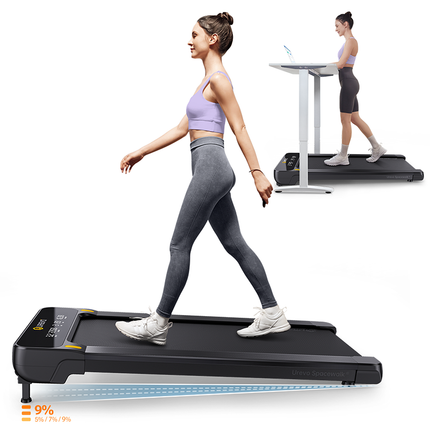
Beyond calorie burn, incline training closely mimics the challenges of outdoor terrain, preparing you for real-world running conditions. For time-constrained professionals, incline workouts offer an efficient solution to maximize results within shorter sessions. By alternating between flat and inclined intervals, you can achieve both endurance and strength training benefits in a single workout, making every minute count toward your fitness goals.
Essential Features for Genuinely Quiet Operation
Motor and Drive System Engineering
At the heart of a quiet treadmill lies its motor and drive system engineering. Direct-drive systems, where the motor connects directly to the drive roller, eliminate the additional noise generated by traditional belt-drive mechanisms, though they require precise calibration to maintain their quiet operation.
Belt and Deck Noise Reduction Solutions
The interaction between belt and deck represents a crucial factor in treadmill noise levels. Modern cushioning systems incorporate multiple layers of sound-dampening materials, often using high-density elastomers and specialized rubber compounds. The most effective systems combine reversible decks with specialized textured belt surfaces, creating a harmonious interaction that minimizes both friction noise and footfall impact without compromising performance or durability.
Performance Monitoring Capabilities That Transform Training
Real-Time Metrics Tracking
Modern treadmills offer sophisticated heart rate monitoring through dual-channel tracking, combining handlebar sensors with wireless chest strap compatibility for medical-grade accuracy. These systems integrate with customizable interval profiles that adapt to your fitness progress, automatically adjusting work-rest ratios based on performance data.
Data Syncing and Progress Analysis
Today's treadmills feature seamless connectivity through dual-band WiFi and Bluetooth 5.0, enabling instant workout data transmission to popular fitness platforms. Comprehensive app ecosystems provide detailed workout history visualization, including trend analysis and performance benchmarking against similar users. Recovery monitoring systems analyze heart rate variability and workout intensity patterns to generate personalized rest recommendations, helping prevent overtraining while maximizing adaptation benefits. The integration of cloud-based data storage ensures workout history remains accessible across devices, enabling long-term progress tracking and goal adjustment based on actual performance metrics.
Step-by-Step Selection Guide for Busy Professionals
Step 1: Noise Verification Protocol
Begin by researching manufacturer noise ratings, focusing on measurements taken at different speeds and inclines. Cross-reference these claims with independent reviews and user experiences, particularly from apartment dwellers.
Step 2: Incline System Evaluation
Test the incline mechanism's responsiveness by timing gradient changes from 0% to maximum. Verify the incline range matches your training needs, with 0-15% being ideal for most users.
Step 3: Performance Dashboard Assessment
Evaluate the console's display visibility under different lighting conditions. Ensure critical metrics remain readable while running at pace. Check the customization options for data fields and confirm the presence of one-touch controls for commonly used features. Verify wireless connectivity strength and data sync reliability with your preferred fitness apps.
Step 4: Space and Convenience Optimization
Measure your available space and compare it to both the deployed and folded footprints. Test the folding mechanism's ease of use and stability. For optimal stride comfort, ensure at least 2 feet of clearance on each side and 6 feet behind the treadmill.
Top Models Balancing Silence and Smart Tracking
Today's leading treadmills masterfully combine whisper-quiet operation with advanced performance monitoring. Its compact design and smart features make it particularly suitable for apartment dwellers seeking both performance and consideration for neighbors. Other notable options include premium models from established brands.
Making the Right Choice for Your Home Gym
Selecting the right treadmill requires carefully balancing noise reduction with performance tracking capabilities—two features that directly impact your workout success and household harmony. The most effective solutions combine advanced motor engineering, sophisticated cushioning systems, and smart monitoring technology to deliver whisper-quiet operation without sacrificing workout quality.
Before making your final decision, create a testing checklist that includes noise measurement at various speeds, incline transition smoothness, and data sync compatibility with your preferred fitness apps. By prioritizing hands-on testing and focusing on the core features discussed in this guide, you'll find a treadmill that transforms your home workouts while maintaining peace and quiet for everyone around you.


