Gone are the days when snapping a picture on your phone felt like stepping back into the early 2000s with blurry edges, washed-out colors, and the kind of graininess that made you wonder if you accidentally applied a “vintage” filter before filters were even a thing.
These days, smartphone cameras have evolved so much that they’ve all but replaced point-and-shoots for most people. You can take a shot at sunrise, capture moving objects, or zoom in on far-off details and still walk away with something that looks like it came out of a professional kit.
This rapid leap in mobile photography has created a whole new level of competition between smartphone makers, especially in Asia, where brands aren’t just trying to outdo Apple and Samsung but also going head-to-head with each other.
On one side, we have Huawei’s Pura 80 Ultra, a flagship that carries the weight of Huawei’s long-standing reputation for camera innovation. On the other hand, the vivo V60 5G, one of India’s most talked-about new releases, aims to blend style, speed, and photography in a more accessible package.
In this comparison, we’re putting China’s finest up against one of India’s latest arrivals, breaking down their design, performance, camera systems, and everything in between to see which one might be worth your money in 2025.
 Kelechi Edeh
1. Design & Build
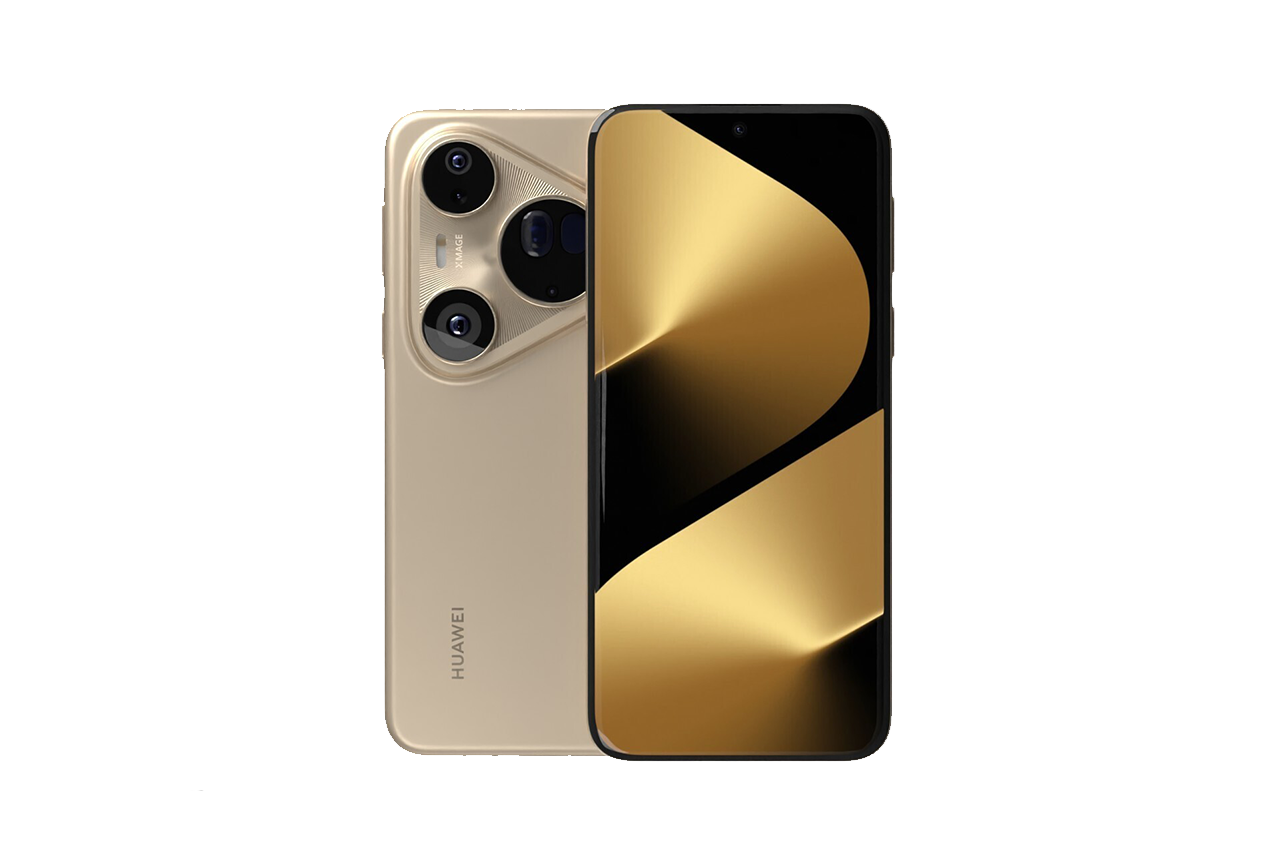
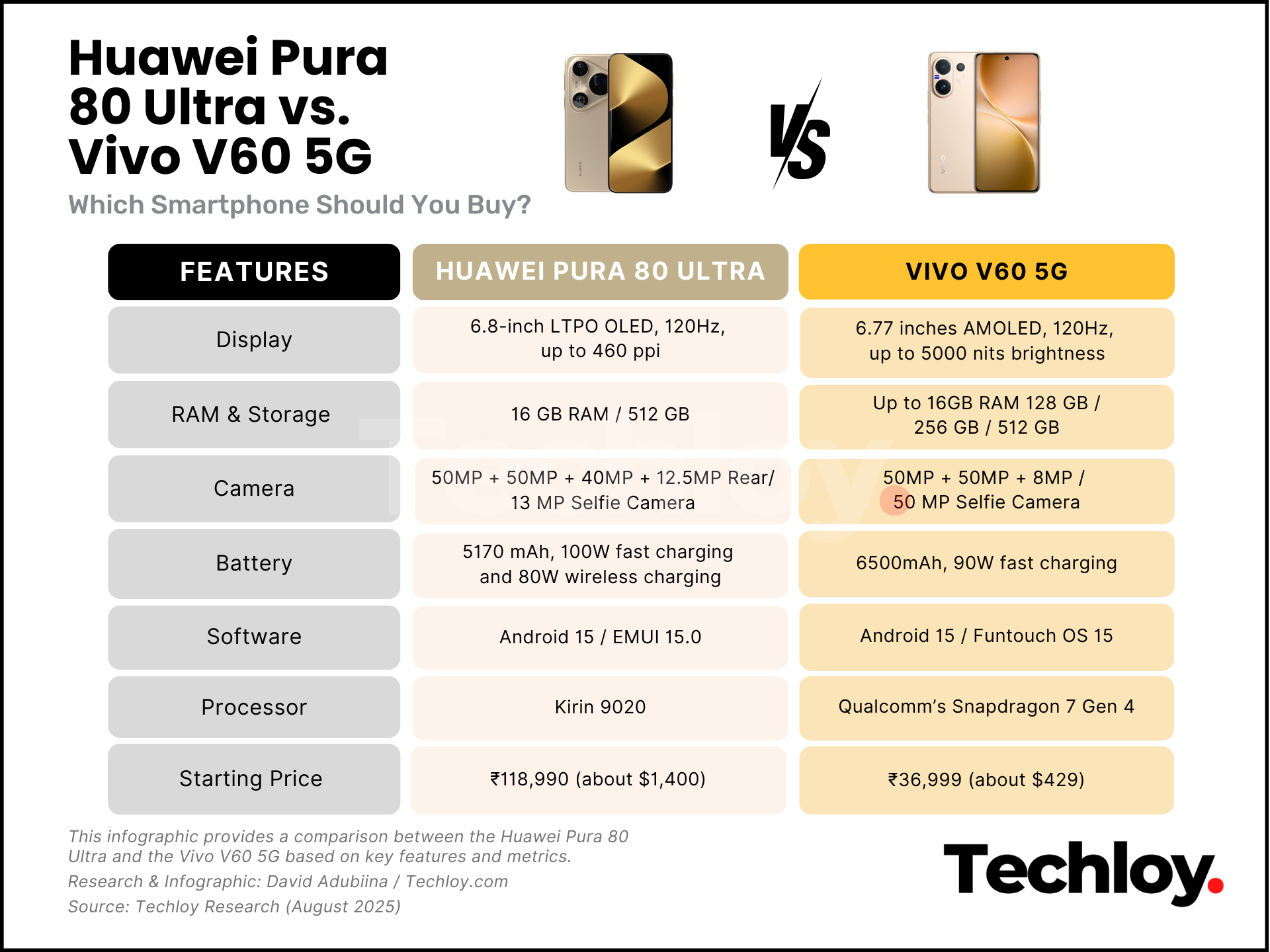
Both phones look and feel like premium flagships, but they approach design from different angles. The Huawei Pura 80 Ultra is slightly larger at 6.8 inches, with a tall, curved LTPO OLED display spilling into its edges. Huawei’s rounded-corner design gives it a softer look in the hand, while its IP68/IP69 rating means you can confidently survive a rainstorm or the occasional coffee spill.
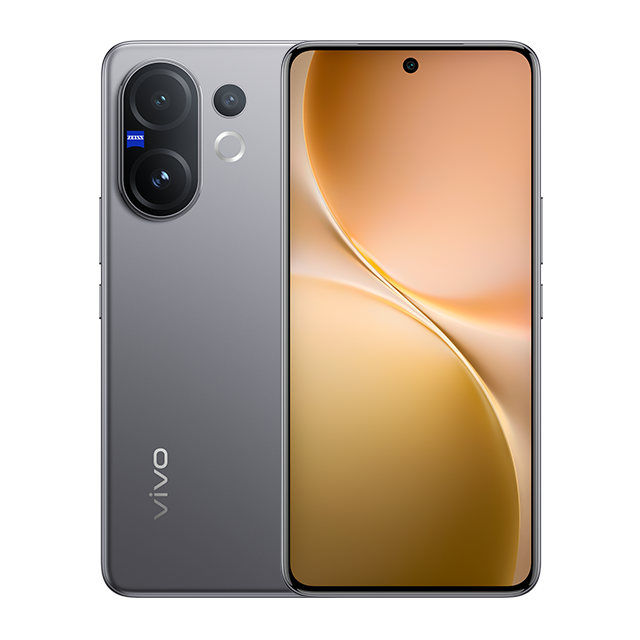
The vivo V60 5G isn’t far behind when it comes to protection, matching Huawei’s water and dust resistance with the same IP68/IP69 certification. Its body is a touch slimmer in some colour variants, and it comes in three distinct finishes: Mist Gray, Moonlit Blue, and a striking Auspicious Gold. Vivo’s design feels a bit more understated in shape but has bolder color choices, while Huawei leans into that “high-end camera phone” aesthetic that practically hints at its photographic muscle before you even turn it on.
Verdict: Design preference here is purely subjective, depending on whether you like the sleek, curved premium look or if you prefer bold colors and a flatter, simpler profile.
2. Display
First impressions on display look close, but the Huawei equips the Pura 80 Ultra with a 6.8-inch LTPO OLED display, pushing a resolution of 2848 × 1276 pixels at a sharp 460 ppi. It supports a dynamic 1–120 Hz refresh rate, meaning it can slow down to save battery or ramp up for buttery scrolling. The 1440 Hz PWM dimming also reduces flicker in low light, which is easier on the eyes.
Vivo V60 5G’s display, on the other hand, is just 0.03 inches smaller at 6.77 inches and runs at a slightly lower resolution of 2392 × 1080. On paper, that’s a difference in sharpness, but vivo claws back attention with its peak brightness of 5000 nits, far higher than most phones on the market, making it a killer for outdoor visibility. Its AMOLED panel supports 60 Hz and 120 Hz modes, covering the P3 colour gamut for vibrant, true-to-life visuals.
Verdict: Vivo takes it with its ultra-bright 5000-nit AMOLED screen.
3. Performance
Huawei’s Pura 80 Ultra runs on Kirin 9020 Octa-core, but as usual with Huawei devices, its chipset details aren’t fully spelled out in the official specs. The phone ships with a generous 16 GB of RAM and 512 GB of internal storage, and while there’s no expandable storage, that’s already a hefty amount for most users.
In contrast, the vivo V60 5G uses Qualcomm’s Snapdragon 7 Gen 4, built on a 4 nm process. It features an octa-core CPU with one high-performance core at 2.8 GHz, backed by a mix of mid and efficiency cores. RAM and storage options are more flexible here, from 8 GB/128 GB all the way up to 16 GB/512 GB. Vivo uses the slightly older LPDDR4X RAM and UFS 2.2 storage standards, so while it has options, the memory tech isn’t as cutting-edge as some flagships.
Verdict: Huawei leads with top-tier memory and storage from the start.
4. Cameras
Here’s where Huawei comes swinging. The Pura 80 Ultra packs a 50 MP 1-inch Ultra Lighting HDR main camera with a variable aperture from f/1.6 to f/4.0, optical image stabilization (OIS), and an impressive telephoto setup: a 50 MP 3.7x optical zoom, a 12.5 MP 9.4x optical zoom, plus a 40 MP ultra-wide lens. It also includes a spectral channels Ultra Chroma Camera for richer colours and detail. The selfie shooter is 13 MP, wide-angle, with autofocus, not as high-res as vivo’s, but likely optimized for Huawei’s color science.
Meanwhile, Vivo takes a ZEISS-powered approach with its V60 5G, going for a clean triple-camera array: a 50 MP OIS main lens, 50 MP OIS super telephoto, and an 8 MP ultra-wide. For selfies, vivo flexes hard with a 50 MP ZEISS “group selfie” front camera, a massive jump in resolution compared to Huawei’s, and great for social media creators who rely on front-facing shots.
Verdict: Huawei dominates with its versatile multi-lens rear camera system.
5. Battery Life & Charging
Both phones come with spectacular batteries according to their build.
Huawei’s Pura 80 Ultra offers a smaller 5170 mAh battery, but it pushes the charging envelope with 100W wired charging and 80W wireless charging, which is one of the fastest wireless speeds you can get right now. If you’re the type to forget to plug in overnight, Huawei’s speeds might save you in a pinch.
However, the vivo V60 5G wins the raw capacity game here with a massive 6500 mAh battery, one of the largest in any flagship, paired with 90W fast charging. That means fewer trips to the charger and still getting topped up quickly when you do.
Verdict: Vivo wins with its massive 6500 mAh battery.
6. Storage & RAM
Huawei keeps things simple with one high-end configuration: 16 GB RAM + 512 GB storage. It doesn’t support expandable memory, but that’s already flagship territory for most users.
Vivo offers more flexibility with four RAM/storage variants, starting at 8 GB/128 GB and topping out at 16 GB/512 GB. It also includes “Extended RAM” functionality, pulling up to 8–12 GB from storage to boost multitasking, handy for heavy app switching.
Verdict: Vivo takes it for offering multiple configurations to suit different budgets.
7. Price
In terms of price, the Huawei Pura 80 Ultra lands at ₹118,990 (about $1,400), firmly in ultra-premium flagship territory. The vivo V60 5G starts at ₹36,999 (about $429), making it less than a third of the price while still packing strong specs and features.
Conclusion
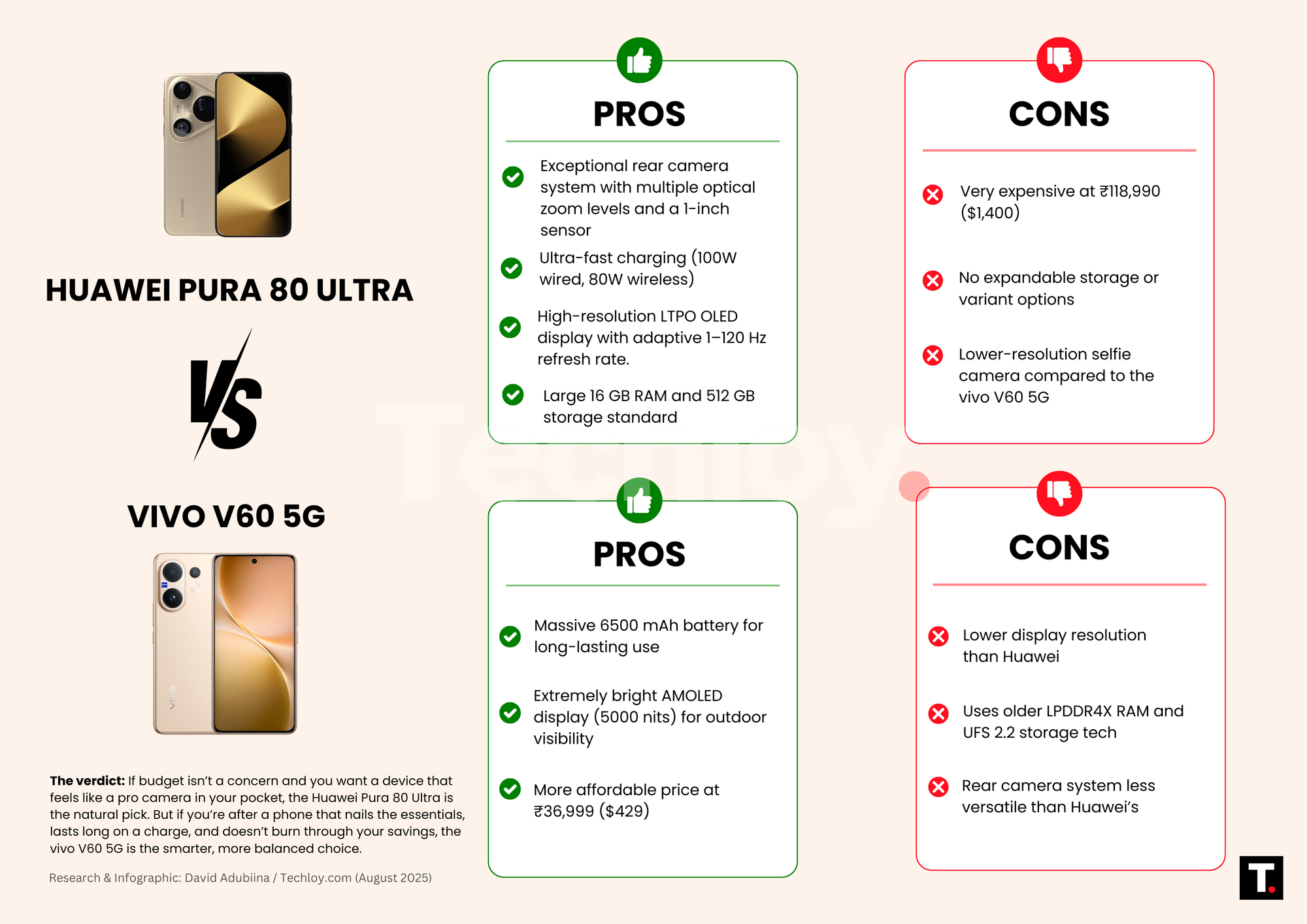
Considering the overall key metrics, it can be seen that one is a premium flagship while the other is a value-packed contender. The Huawei Pura 80 Ultra sits firmly in the ultra-high-end bracket, designed for users who want the absolute best in camera versatility, charging speed, and display technology — and are willing to pay for it.
The vivo V60 5G, on the other hand, brings a surprising amount of flagship flavour at a fraction of the price. It may not have Huawei’s intricate lens setup or the same level of refinement in certain areas, but it holds its own with a massive battery, bright display, and an excellent selfie camera that beats many more expensive models.
Final verdict: If budget isn’t a concern and you want a device that feels like a pro camera in your pocket, the Huawei Pura 80 Ultra is the natural pick. But if you’re after a phone that nails the essentials, lasts long on a charge, and doesn’t burn through your savings, the vivo V60 5G is the smarter, more balanced choice.
 Louis Eriakha