



Private aviation has become more accessible than ever before. With global executives, entrepreneurs, and leisure travelers prioritizing time efficiency and flexibility, alternatives to outright jet ownership are in high demand. Two of the most popular options today are Jet Card programs and On-Demand Charter flights.
While both grant access to private jet travel, they work very differently in terms of pricing, flexibility, and convenience. Choosing the right one depends on your travel frequency, budget, and overall goals.
This guide breaks down both models – exploring benefits, drawbacks, costs, and real-world scenarios – so you can decide which option is right for you.
Understanding the Jet Card Model
What Is a Jet Card?
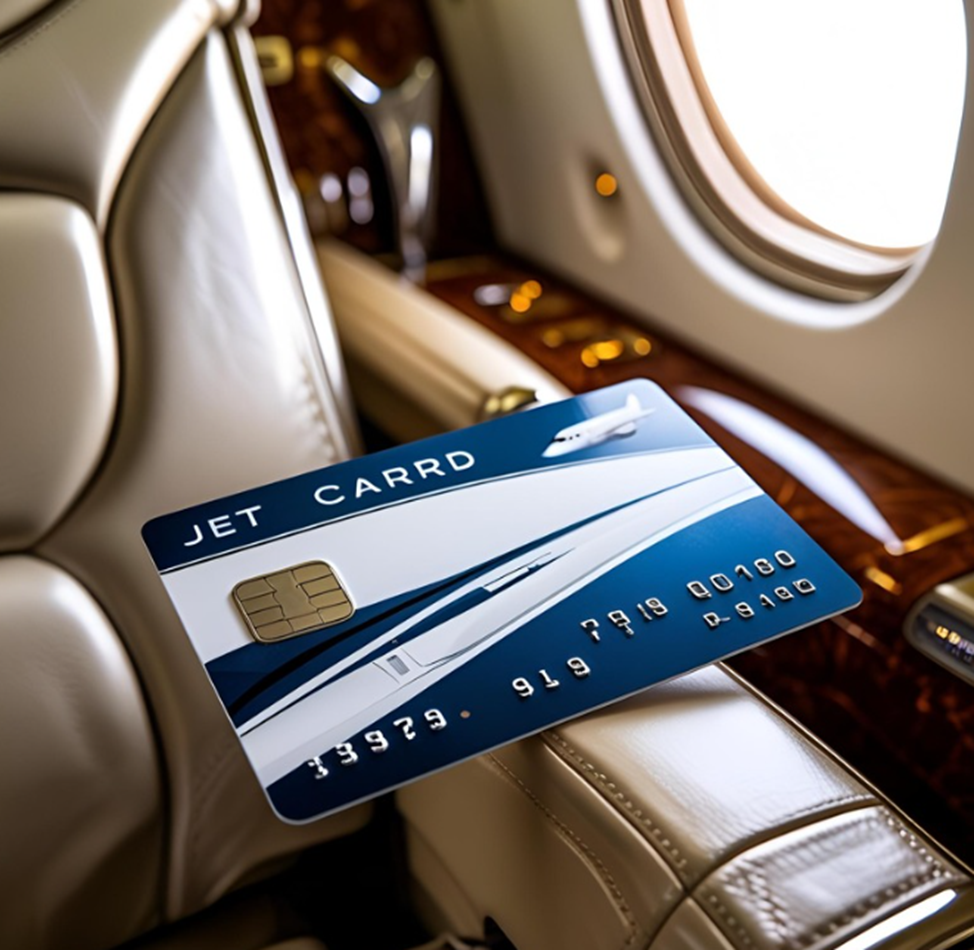
A Jet Card is essentially a pre-paid private aviation membership. Travelers purchase a block of flight hours (commonly 25-50+) at fixed rates, giving them predictable pricing and guaranteed access to specific aircraft categories. Jet cards emerged in the late 1990s as a middle ground between fractional ownership and ad-hoc chartering.
Benefits of Jet Cards
- Guaranteed Availability – Your aircraft type is available when you need it, even during peak seasons.
- Fixed Hourly Rates – Pricing doesn’t fluctuate with demand, giving you cost predictability.
- Consistent Service – A standardized fleet and vetted operators ensure a reliable travel experience.
- Time Savings – No need to compare quotes every trip – your rate and booking process are pre-set.
Drawbacks of Jet Cards
- High Upfront Cost – Programs often require a six-figure deposit, locking in capital.
- Aircraft Limitations – You’re usually restricted to specific jet categories.
- Expiration Dates – Some hours may expire if unused within a set timeframe.
Breaking Down On-Demand Charter
How On-Demand Charter Works
On-demand charter allows you to book flights individually, paying as you go. Each trip is quoted based on aircraft availability, route, and current demand. Bookings are made through brokers or directly with operators.
Benefits of On-Demand Charter
- No Upfront Commitment – Pay only when you fly, avoiding large deposits.
- Aircraft Variety – Choose from a wide selection, from light jets to ultra-long-range aircraft.
- Cost-Saving Opportunities – Take advantage of empty legs (discounted repositioning flights) for major savings.
- Flexibility – Switch aircraft types depending on trip needs.
Drawbacks of On-Demand Charter
- Price Volatility – Rates fluctuate with demand, seasonality, and availability.
- No Guarantees – During peak times, securing your preferred aircraft may be difficult.
- More Planning Required – Each trip involves comparing quotes and negotiating terms.
Cost Analysis – Which Saves More?
Pricing is often the biggest deciding factor.
- Jet Cards: Hourly rates typically range from $7,500–$15,000/hour, depending on aircraft category. While higher upfront, they provide predictability and stability.
- On-Demand Charter: Rates range from $2,000/hour for light jets to $15,000+/hour for long-range jets. Costs vary widely depending on timing, location, and aircraft chosen.
Example Trip – New York to Miami (2.5 hrs):
- Jet Card: ~$15,000 round trip (fixed rate)
- On-Demand Charter: $12,000-$18,000 depending on availability
Bottom Line: Jet cards favor frequent flyers who value stability, while charters are better for occasional travelers who want flexibility.
Flexibility, Reliability, and Convenience
- Jet Cards: Provide guaranteed availability – crucial for executives with tight schedules.
- On-Demand Charters: Offer flexibility to choose aircraft type but risk unavailability during peak demand.
- Convenience Factor: Jet cards save time by removing the need to request multiple quotes.
Jet Card vs On-Demand: A Side-by-Side Comparison
Factor
Jet Card
On-Demand Charter
Pricing
Fixed hourly rates
Variable rates (supply & demand)
Commitment
Upfront deposit (25–50+ hours)
No upfront cost, pay per trip
Availability
Guaranteed, even during peak seasons
Limited, may be harder to book last minute
Aircraft Choice
Fixed to certain categories
Wide variety, flexible per trip
Best For
Frequent business travelers
Occasional or leisure flyers
Hidden Savings
Consistency and time saved on bookings
Empty legs and tailored aircraft selection
Matching the Right Option to Your Travel Profile
Frequent Business Flyers
Jet cards are ideal – guaranteed access ensures you’ll never miss critical meetings, and fixed pricing simplifies budgeting.
Occasional Leisure Travelers
On-demand charter is more cost-effective – no deposits, no expiration, just pay as needed.
Hybrid Users
Some companies and high-net-worth individuals use both: jet cards for predictable business routes and on-demand for leisure flexibility.
Case Studies – Real-Life Scenarios
- Executive Roadshow – A financial firm conducting multi-city IPO meetings used a jet card for guaranteed daily availability.
- Luxury Vacation – A family booked an on-demand heavy jet for a two-week European tour, saving money compared to a membership.
- Hybrid Strategy – An entrepreneur uses a jet card for monthly business commutes but switches to on-demand for irregular leisure trips.
Choosing Smartly
When comparing Jet Cards vs On-Demand Charters, the decision hinges on your travel patterns.
- If you fly frequently, value reliability, and want predictable costs → Jet Card is the smarter choice.
- If you fly occasionally, want flexibility, and don’t mind comparing quotes → On-Demand Charter is best.
For many high-level executives and families, the optimal strategy is a blend of both, ensuring guaranteed access for critical trips while keeping flexibility for leisure or irregular travel.


