



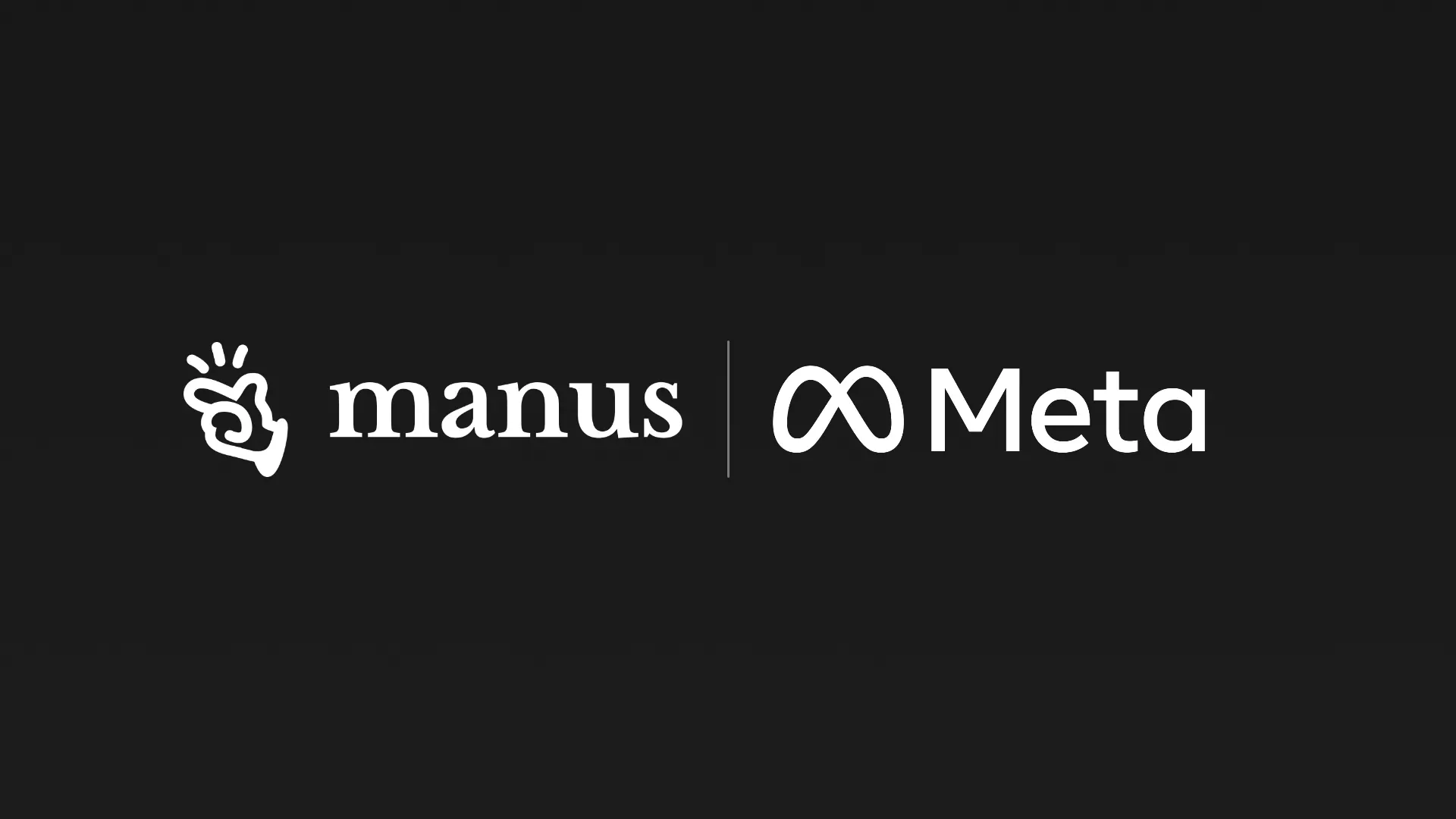
Meta has acquired Singapore-based AI startup Manus for billions of dollars, closing the deal in just over ten days—a speed that shocked even the startup’s own investors.
“At first, we almost doubted whether this was a fake offer,” said Liu Yuan, partner at ZhenFund and an early investor in Manus, describing the extremely short negotiation timeline. The deal marks Meta’s third-largest acquisition ever, behind only WhatsApp and Scale AI.
But here’s what makes this urgent: Manus launched only in March 2025. Eight months later, Meta paid billions to own it. That timeline tells you everything about how fast the AI landscape is moving and how seriously tech giants now view the gap between talking and doing.
 Damilare Odedina
The Shift From Chatbots to Workers
The difference between current AI tools and what Manus built comes down to execution. Most AI—ChatGPT, Claude, Gemini—can answer questions, write text, and suggest next steps. Manus goes further: it completes entire workflows autonomously without constant supervision.
Want a 40-page market research report? Manus researches, analyses, structures, and delivers it while you’re in another meeting. Need to screen hundreds of job applications? It reads them, scores candidates, and presents recommendations. Looking for a two-bedroom apartment in a specific neighbourhood? It searches listings, compares options, and builds a shortlist with pricing breakdowns.
This isn’t about generating better responses. It’s about AI that finishes tasks from start to end, the way you’d hand work to a colleague and expect them to handle it completely.
Manus achieved $100 million in annual recurring revenue just eight months after launch, reportedly the fastest any startup globally has hit that milestone. The company processed more than 147 trillion tokens this year and created over 80 million virtual computers while serving millions of users worldwide.
Those metrics explain why Meta moved so quickly.
Why Meta Couldn’t Wait
Behind the acquisition is a recognition that Meta has fallen behind in a critical area. While the company has invested heavily in AI infrastructure and model development, it struggled to translate that into consumer products that feel genuinely transformative.
Apple has reportedly explored acquiring Perplexity AI. Microsoft continues deepening its OpenAI partnership. Google is pushing agents across its product suite. The window for acquiring proven autonomous agent technology is closing fast as the best companies either get bought or become prohibitively expensive.
Manus was in the middle of raising a new funding round at a $2 billion valuation when Meta approached. Instead of letting competitors make offers or waiting for the price to climb higher, Meta closed the deal in days. Mark Zuckerberg and several Meta executives were already using Manus themselves, which likely accelerated the decision.
“Joining Meta allows us to build on a stronger, more sustainable foundation without changing how Manus works or how decisions are made,” said Xiao Hong, Manus CEO, who will now serve as Vice President at Meta while continuing to run the company from Singapore.
Meta plans to keep operating Manus as a standalone service while integrating its technology into Meta AI, Facebook, Instagram, WhatsApp, and its AI-powered glasses. That means autonomous agent capabilities could soon reach billions of users across Meta’s platforms.
What This Means for Users
The acquisition signals a fundamental shift in how AI will work in everyday apps. Instead of typing prompts into a chatbot and reviewing its suggestions, you’ll be able to assign complete tasks and walk away.
Book a vacation itinerary? The AI researches flights, hotels, activities, and presents a complete plan. Analyse your investment portfolio? It pulls data, identifies trends, flags risks, and creates a summary report. Draft a presentation deck? It builds slides, adds relevant data visualizations, and structures the narrative.
The integration timeline isn’t clear yet, but Meta’s urgency suggests the company wants these capabilities live quickly. The competitive pressure from Apple, Google, and Microsoft is intensifying, and autonomous agents represent the next major platform shift—similar to how mobile apps transformed what phones could do a decade ago.
Manus currently operates on a subscription model: a free tier with one daily task, a $39/month Starter plan, and a $199/month Pro plan. How Meta adapts that pricing when integrating Manus into its free platforms remains to be seen, but the company has historically preferred advertising-supported models over direct subscriptions.
The China Factor and Strategic Independence
There’s another layer here. Manus was created by Butterfly Effect, a Chinese company that recently relocated its headquarters to Singapore. The startup raised $75 million from U.S. venture firm Benchmark in April, which drew scrutiny from lawmakers concerned about backing an AI company with Chinese origins.
Meta says Manus will sever all ties to Chinese investors and will not operate in China following the acquisition. That’s a significant condition, especially as U.S.-China tech tensions continue shaping corporate strategy in AI development.
The company will continue operating independently from Singapore, maintaining its existing team and decision-making structure. That autonomy matters—Manus built its technology by aggressively combining and optimizing existing AI models from Anthropic and Alibaba rather than developing everything from scratch. Keeping that team intact and independent preserves the execution speed that made them valuable in the first place.
The Bigger Picture
Meta’s acquisition reveals how the AI industry is entering a new phase. The era of impressing people with clever text generation is over. The fight now centres on which companies can deliver AI that executes real work reliably and repeatedly.
Manus achieved something most startups don’t: product-market fit at scale in record time. The company’s rapid revenue growth and global user adoption proved that people will pay for AI that actually completes tasks, not just assists with them.
Whether Meta can maintain that momentum while integrating Manus into its vastly larger ecosystem is the open question. The company has a mixed record on acquisitions—Instagram and WhatsApp thrived, while others faded. But the speed of this deal and Zuckerberg’s personal involvement suggest Meta understands the stakes.
For now, the message is clear: autonomous agents that execute tasks from start to finish are the next battleground in AI. And Meta just paid billions rather than risk building too slowly on its own.
 Ogbonda Chivumnovu


