Meta is changing how brands find creators for paid campaigns, and the updates point to a broader rethink of influencer marketing on Facebook and Instagram.
Instead of pushing brands toward creators with the biggest audiences, Meta is now emphasizing signals that suggest who is actually likely to convert, collaborate, and deliver measurable results. At the center of the update is a new approach to creator recommendations.
According to Meta, brands using Meta’s Creator Marketplace, “will now see creator recommendation rails that highlight creators who have tagged their brand in content and creators who have explicitly expressed interest in partnering with their brand, making it easier to identify creators with a high likelihood of accepting a request.”
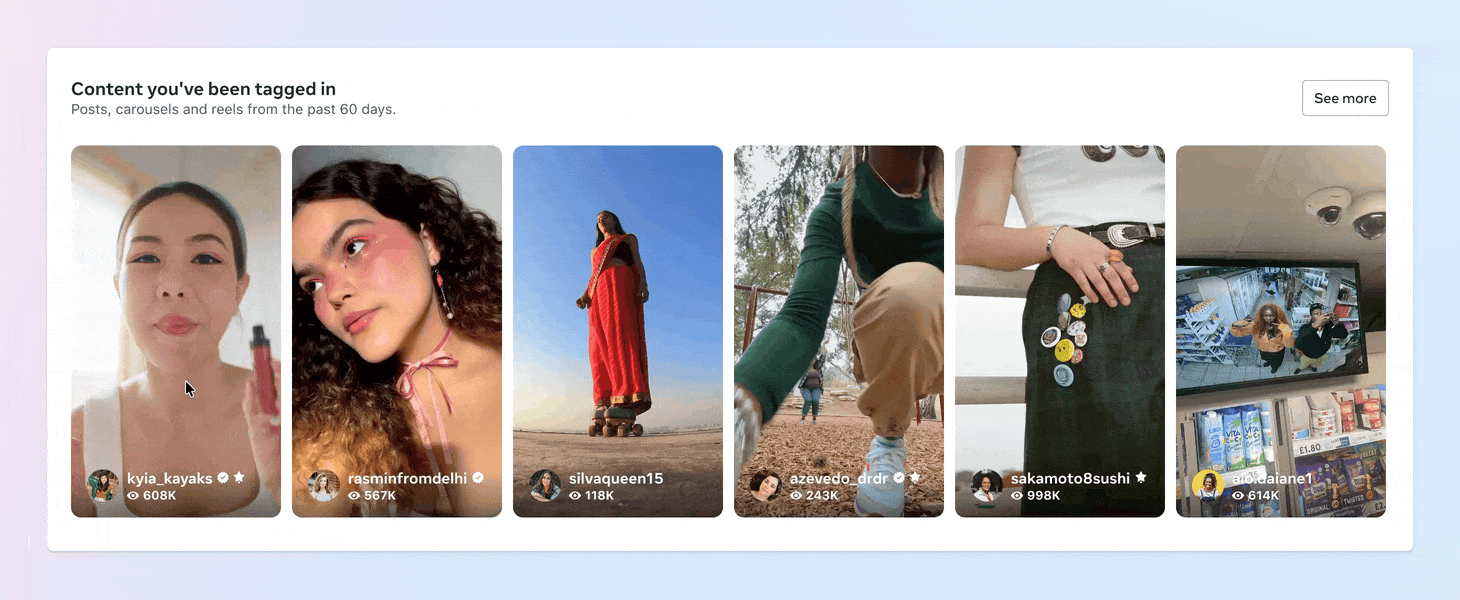
Meta says these recommendation “rails” are designed to surface creators with a higher likelihood of accepting collaboration requests, reducing friction in campaign planning. The change reflects a growing frustration among brands with influencer outreach that looks good on paper but fails to translate into actual partnerships or performance.
To reinforce that shift, Meta is also introducing a “Similar Creators” search, which recommends creators similar to those you’ve previously worked with or whose campaigns performed well.
Performance is becoming more explicit, too. Meta is rolling out ad performance badges that flag creators predicted to drive stronger results for specific brands. These indicators will appear more prominently on the Marketplace homepage, giving marketers clearer signals about which creators Meta’s systems believe are worth prioritizing.
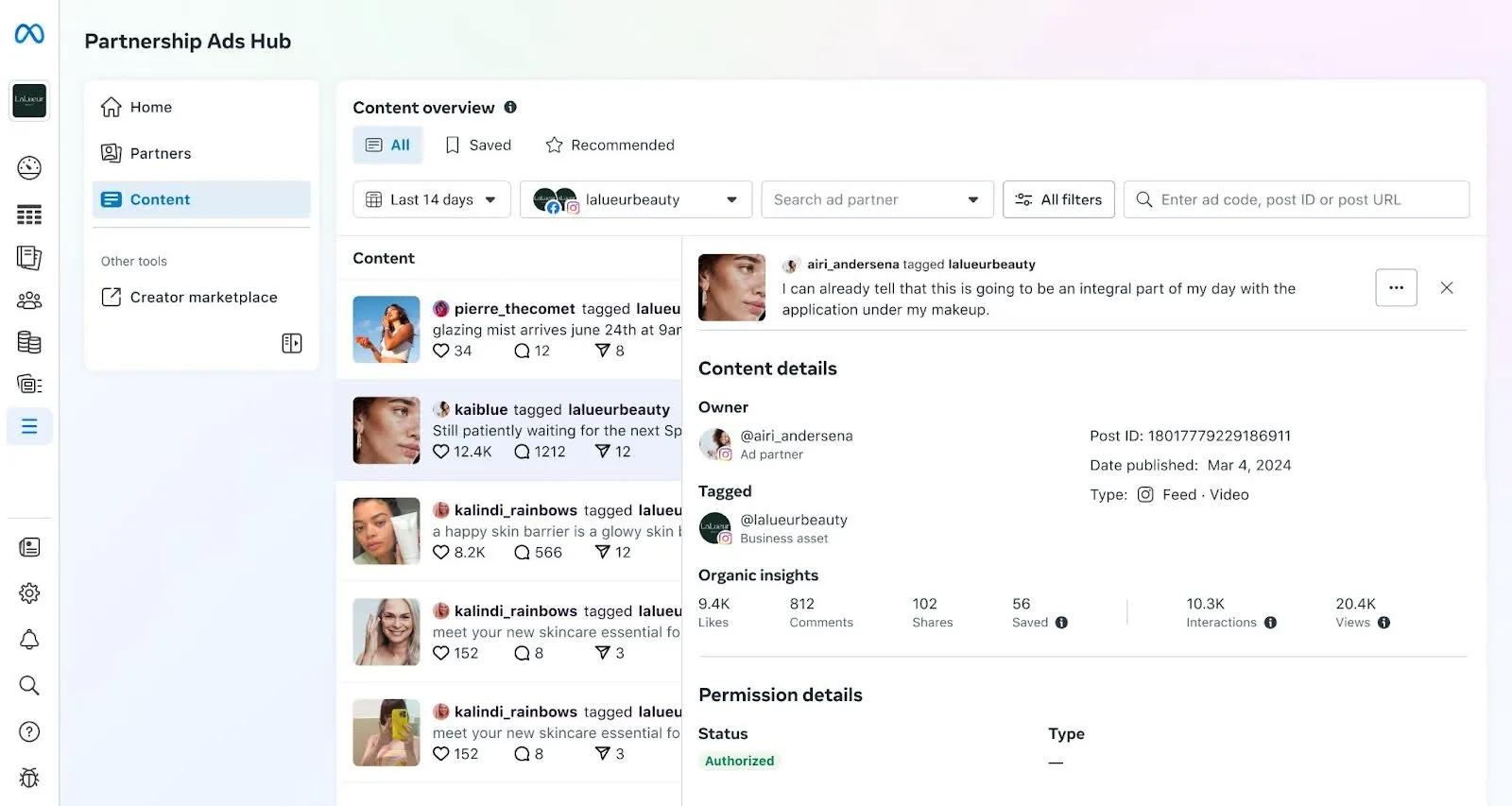
At the same time, the company is expanding Creator Marketplace to all businesses worldwide, up from just 19 countries previously. That broader rollout matters as global brands look for local creators who understand regional audiences, especially in markets where Reels adoption is accelerating fastest.
What’s notable is what Meta isn’t emphasizing. Follower counts and raw reach are no longer the headline metrics. Instead, the platform is quietly reframing creators as performance partners, ranked and surfaced based on likelihood to deliver, not just visibility.
For brands, the updates promise fewer blind bets. For creators, they hint at a future where engagement history and campaign outcomes matter more than sheer audience size. And for Meta, it’s another step toward making its ad ecosystem feel more predictable and defensible at a time when competition for creator-led ad spend is only intensifying.
 Emmanuel Umahi