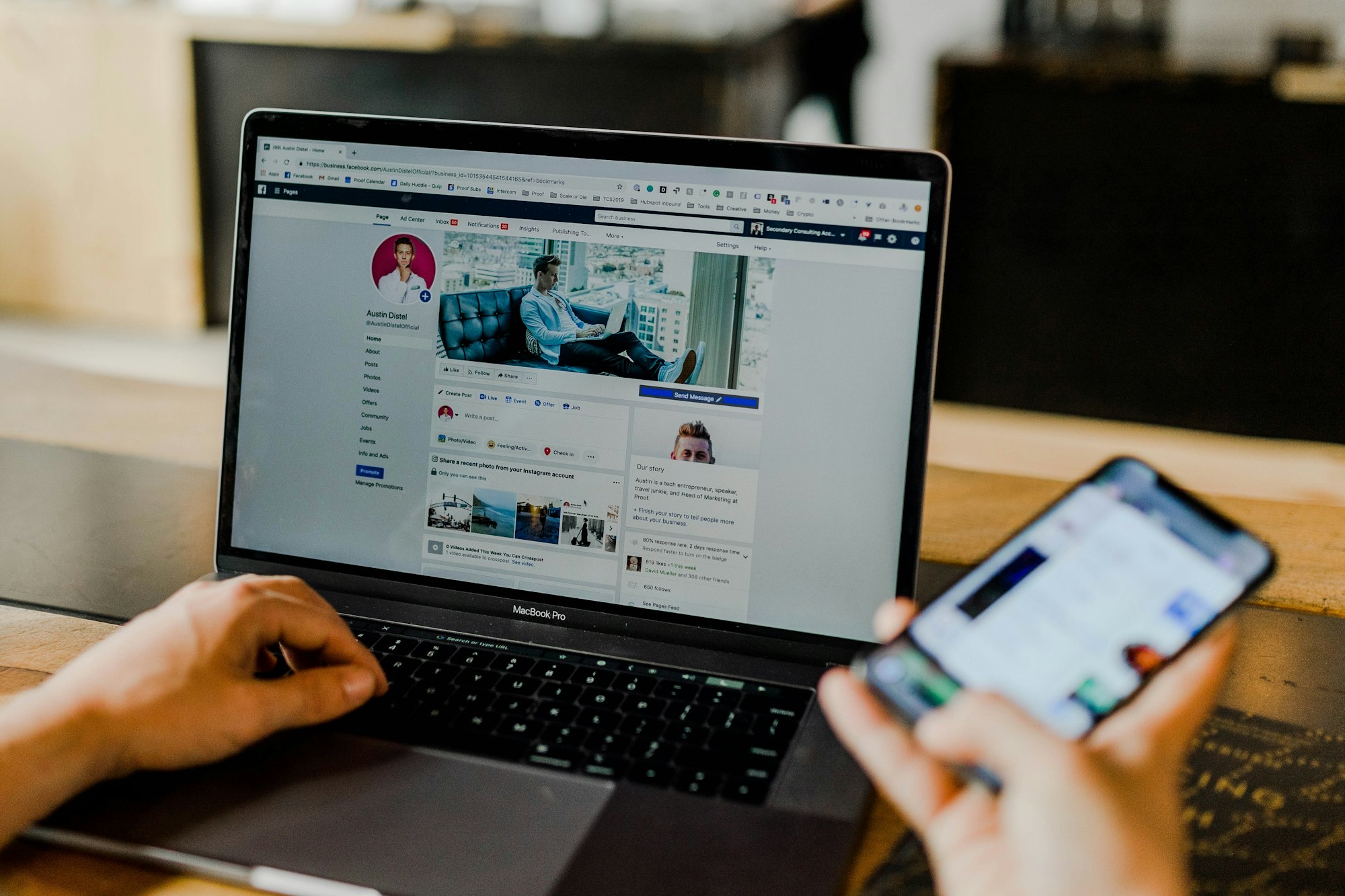
If you're mostly reposting other people’s work to your Facebook account, you might want to tilt to originality for a bit as Meta has just announced stricter rules about unoriginal content.
Meta says it has already taken down 10 million impersonation accounts this year and penalized another 500,000 for spam-like behavior. Now, it’s moving on to content thieves, especially those who profit off recycled clips without adding anything new.
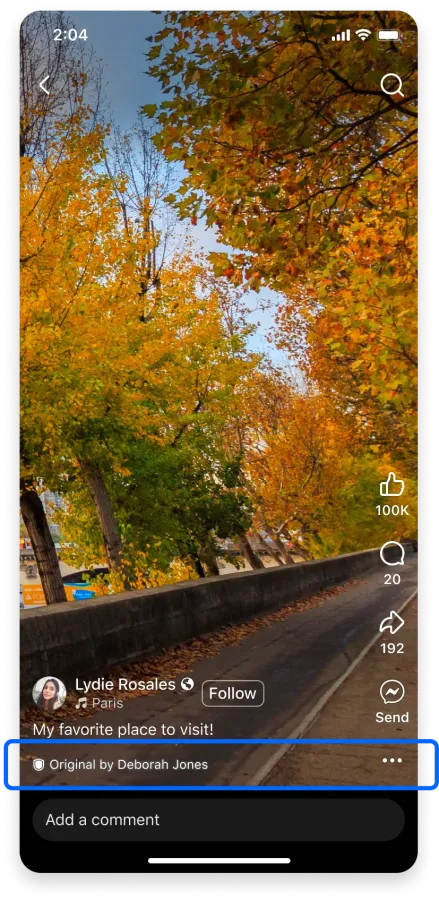
Now, if Facebook detects duplicate videos, it’ll suppress the copies to drive views to the original creator. Repeat offenders could lose access to monetization features or see their reach drastically reduced. Meta is also testing a system that adds links to copied videos, directing users back to the source, a small win for creators tired of having their work repurposed without credit.
The timing of this update comes just right after YouTube made a recent move to curb mass-produced, repetitive videos, another side effect of AI making it way too easy to churn out low-effort content.
Meta, however, isn’t outright banning AI-assisted posts (although there is a suggestion that it may be considering AI slop, too), but it’s simply encouraging creators to focus on authentic storytelling instead of just stitching together clips or putting a watermark on someone else’s work.
Facebook has been dealing with fake accounts for a while now, and up till now, this has not changed. In Meta's last transparency report, they admitted that about 3% of Facebook’s monthly active users are fake, amounting to hundreds of millions of profiles. When you think about it, the cleanup is overdue.
Still, the crackdown comes at a tricky time for Meta, which is facing backlash from users and small businesses for its heavy-handed automated moderation, with accounts getting wrongly flagged or banned with little recourse. A petition with nearly 30,000 signatures on Change.org is calling for better support, but so far, Meta hasn’t publicly addressed the issue.
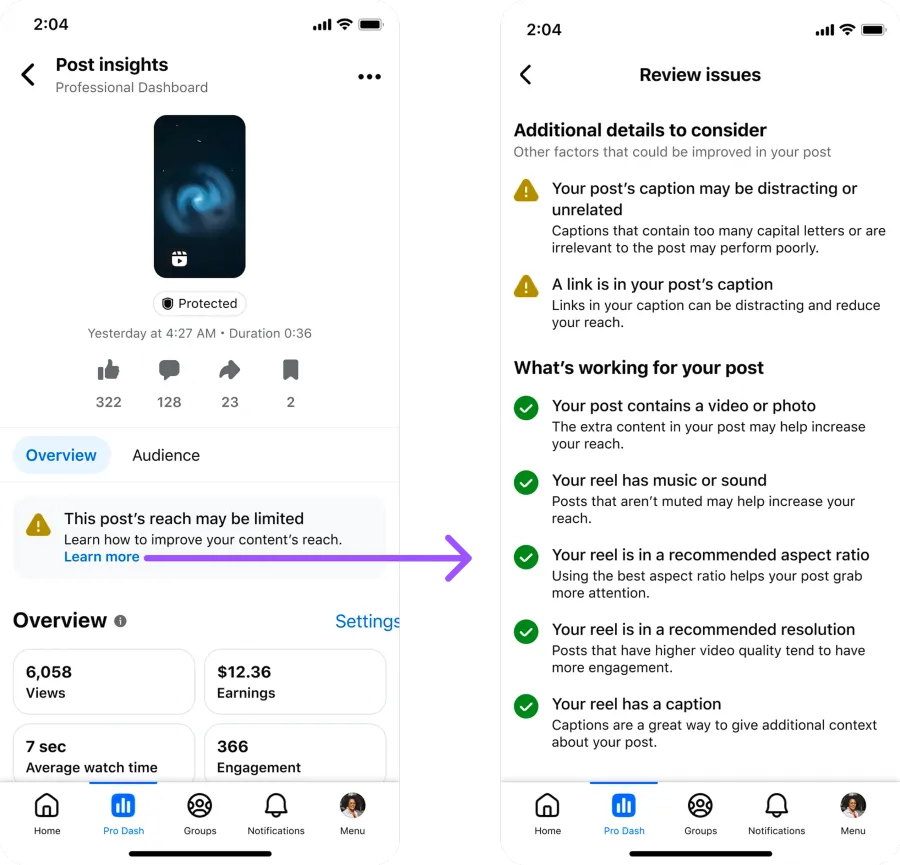
The changes will roll out gradually over the next few months, giving creators time to adjust. If you're worried about your reach, you can check your Facebook’s Professional Dashboard for insights into why your posts might be getting flagged.
With this in place, if your strategy is reposting others’ work, you might want to rethink it. Originality is making it to the light.
 Oyinebiladou Omemu