The battleground for AI dominance isn't just in Silicon Valley anymore. It's shifting east, fast, to a country with 1.4 billion people, 850 million internet users, and an AI market racing toward global relevance. That country is India, and the world's biggest tech companies are scrambling to plant their flags before the window closes.
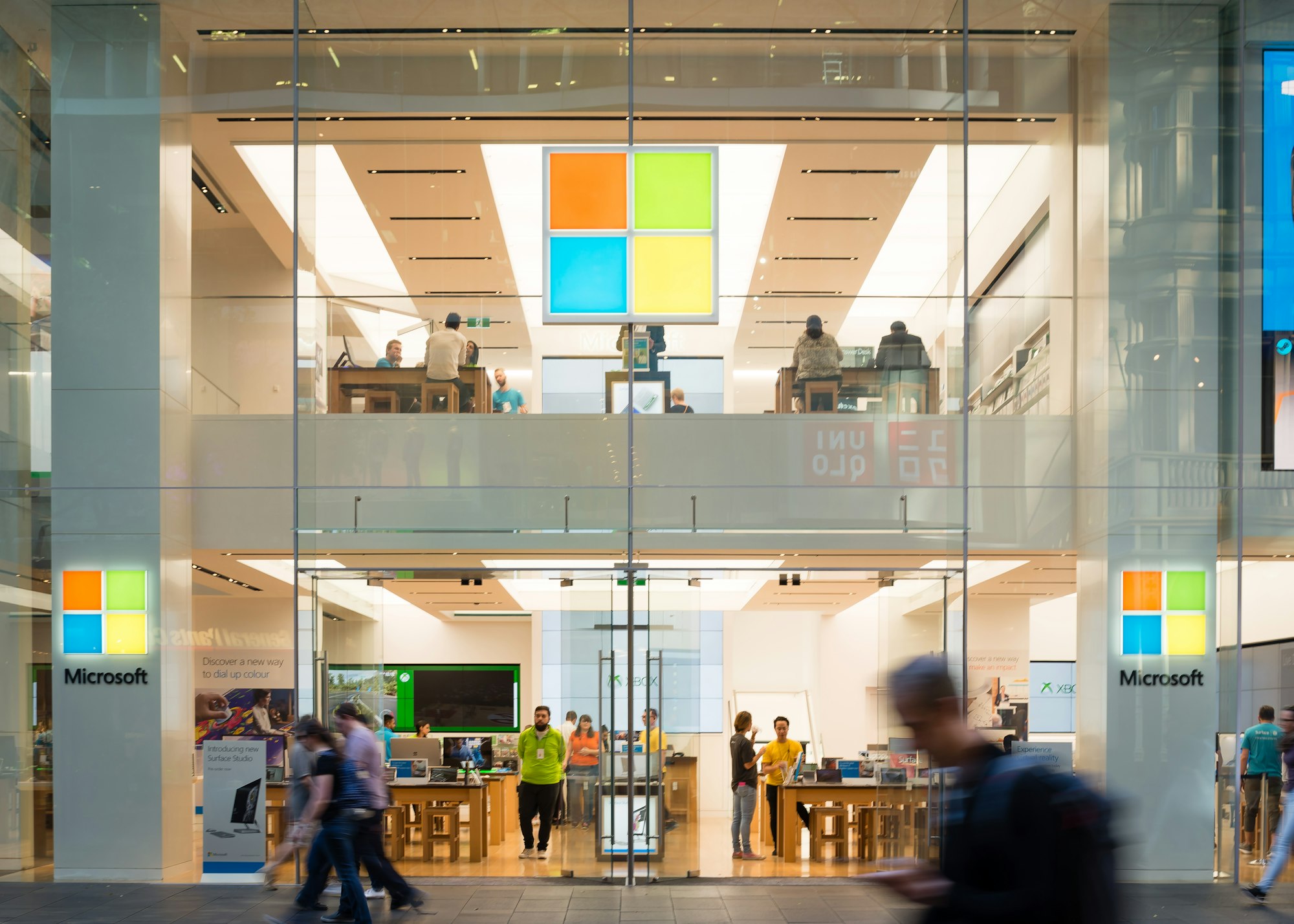
Microsoft just put $17.5 billion on the table—the largest investment it has ever made in Asia. The commitment, announced Tuesday after a meeting between CEO Satya Nadella and Prime Minister Narendra Modi, will roll out over four years from 2026 to 2029. That's nearly six times larger than the $3 billion Microsoft pledged to India just 10 months ago. The message is clear: India isn't a side bet anymore. It's a core pillar of Microsoft's AI strategy.
 Oluwajeminipe Fasheun-Motesho
The move fits a broader pattern. Google announced a $15 billion plan to build an AI hub and data-center infrastructure in India earlier this year. Amazon Web Services has committed $12.7 billion in cloud investments over the next decade. OpenAI and Anthropic have opened offices in India. Perplexity has partnered with Bharti Airtel. The rush is on, and every major player is racing to secure a foothold before the market matures.
The company's investment is focused on three pillars: hyperscale infrastructure to run AI at scale, sovereign-ready solutions that ensure trust, and skilling programs designed to train 20 million Indians by 2030—double the company's original commitment. Central to this is the India South Central cloud region in Hyderabad, expected to go live in mid-2026 as Microsoft's largest hyperscale region in India, at about the size of two Eden Gardens stadiums combined.
Further, Microsoft will be expanding its three current data centers in Chennai, Hyderabad, and Pune. Not only is the infrastructure about raw capacity, but it is also about sovereignty. Microsoft is introducing Sovereign Public Cloud and Sovereign Private Cloud for Indian customers, enabling organizations to deploy workloads on Azure with out-of-box compliance guardrails.
 Ogbonda Chivumnovu
Microsoft is also embedding AI into India's digital public infrastructure. The company is integrating advanced AI capabilities into e-Shram and the National Career Service (NCS), two key platforms run by the Ministry of Labour and Employment. Built on Azure's cloud infrastructure, e-Shram connects 310 million informal workers to 18 welfare schemes and has contributed to expanding India's social protection coverage from 24% in 2019 to 64% in 2025, according to ILO estimates. With Azure OpenAI Service, both platforms now offer multilingual access, AI-assisted job matching, predictive analytics, automated résumé creation, and personalized pathways toward formal employment.
The timing reflects both opportunity and urgency. Bodies like NASSCOM have projected that AI could add hundreds of billions of dollars to India's GDP over the next few years. Investment in India's data center sector is projected to cross $100 billion by 2027, according to CBRE. That's not a small market. It's a transformation underway, and whoever builds the infrastructure now will control access for the next decade.
 Oyinebiladou Omemu