



As compact living becomes increasingly common across major cities worldwide, home entertainment preferences are evolving just as quickly. In 2026, renters, students, and young professionals are gradually shifting away from traditional televisions and turning toward portable projection systems that better suit smaller apartments and dorm rooms.
Across online communities and technology forums, users frequently share practical experiences about setting up entertainment systems in limited spaces. These real-world discussions highlight consistent priorities: portability, sufficient brightness, automatic image adjustment, and affordability.
Based on these ongoing consumer conversations, several key features stand out as especially important when choosing a mini projector for compact living environments.
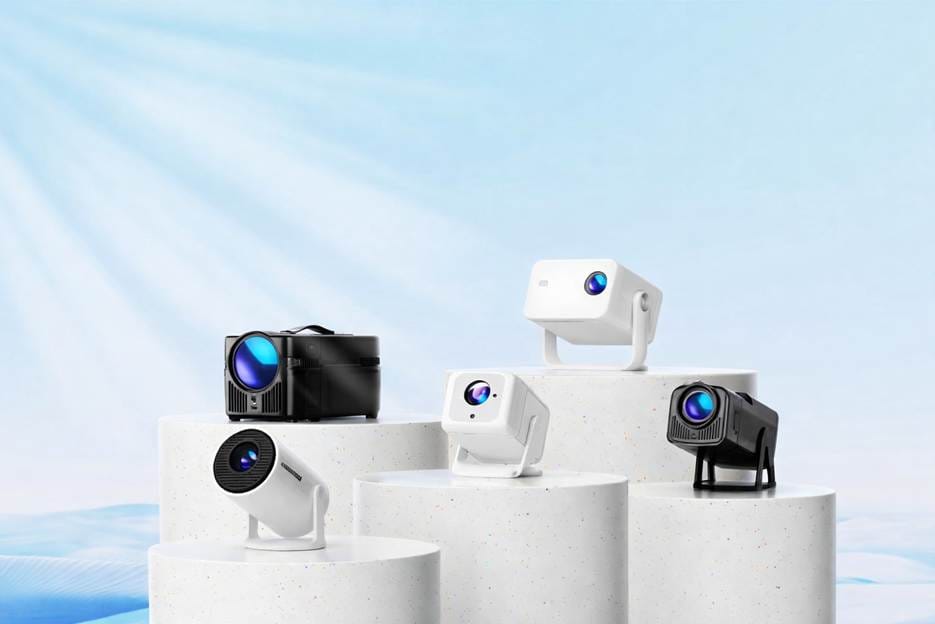
Space-Saving Design Without Compromising Visual Quality
In smaller homes, efficient use of space is essential. Large televisions can dominate wall areas and limit furniture placement, making rooms feel more crowded. Mini projectors offer a more flexible alternative by allowing users to project onto walls or screens only when needed, keeping living areas adaptable and uncluttered.
Portability alone, however, is not enough. Many users emphasize the need for adequate brightness to ensure clear visuals during daytime viewing. Since compact apartments often lack blackout curtains or dedicated media rooms, projectors must perform reliably under varying lighting conditions.
As a result, newer portable projector models increasingly incorporate brighter light sources designed to maintain image clarity in both moderately lit environments and darker nighttime settings. This allows users to enjoy everyday entertainment without requiring a fully dark room.
Automatic Keystone and Focus for Flexible Placement
A commonly discussed challenge in small living spaces is image distortion caused by imperfect projector placement. Unlike permanent home theater setups, compact apartments often require devices to be placed on side tables, desks, or shelves rather than mounted directly in front of a wall.
To address this issue, automatic focus and keystone correction have become essential features in modern home and portable projectors. These technologies automatically adjust image clarity and alignment, ensuring a properly shaped and sharp display even when the projector is positioned at an angle.
Such capabilities make setup faster and more convenient, especially in dormitories and rental apartments where permanent installation may not be possible. Hands-free image correction also reduces the technical effort required, making projectors more accessible for everyday users.
Affordable Smart Features for Budget-Conscious Buyers
Affordability remains central to small-space entertainment decisions. Many consumers seek practical alternatives to large smart televisions while staying within limited budgets.
Community discussions frequently highlight the importance of balancing price with essential smart capabilities, such as:
- Smooth and intuitive operating systems
- Access to licensed streaming applications
- Stable wireless connectivity
- Compact and lightweight construction
This combination enables renters and students to build simple, flexible entertainment setups without significant financial investment.
The Shift Toward Flexible Home Entertainment
The evolution of modern living spaces is directly influencing entertainment technology trends. Micro-apartments, shared accommodations, and multifunctional rooms all require adaptable devices that can move easily between bedrooms, living areas, and even outdoor spaces.
Portable projection systems meet this demand by delivering large-screen viewing experiences without permanent installations. As a result, mini projectors are increasingly viewed as lifestyle devices rather than occasional-use gadgets.
Manufacturers across the projection industry are responding by focusing on portability, ease of use, and cost efficiency to better support compact living environments. Some newer brands concentrate specifically on developing smart projection solutions designed for small-space households.
Conclusion
As urban living spaces continue to shrink, entertainment technology is becoming more flexible and space-conscious. Consumers are prioritizing devices that combine portability, visual performance, automated setup, and accessible pricing.
Mini projectors reflect this shift, offering a practical way to create immersive viewing experiences without the space and installation demands of traditional televisions. For renters, students, and young professionals, they represent a convenient solution aligned with modern compact lifestyles.


