San Diego Studio has officially revealed gameplay for MLB The Show 26. While the franchise isn’t known for dramatic reinventions, this year’s update looks more like a meaningful recalibration. The new footage confirms major expansions to Road to the Show, the return of the World Baseball Classic, and deeper Franchise systems, alongside a slate of gameplay tweaks designed to push realism rather than spectacle.
Writing about the reveal, Ramone Russell, PD Communications and Brand Strategist at PlayStation, framed the direction clearly: “MLB The Show 26 is about giving players more control over their journey, from their first swing in amateur ball to defining moments under the brightest lights. We wanted every mode to feel more connected to how baseball is actually played and experienced today.”
The game launches on March 17, 2026, with early access beginning March 13 for Digital Deluxe buyers.
One of the biggest changes this year comes to Road to the Show, MLB The Show’s career mode. Instead of rushing players toward the minors and majors, MLB The Show 26 expands the amateur pipeline, starting careers earlier and making draft position, scouting perception, and long-term progression feel more grounded in real baseball development.
Players now move through deeper high school and college sequences, with 19 licensed NCAA programs included and the addition of the official NCAA Men’s College World Series format and bracket. The goal isn’t just more games, it's more narrative weight around how prospects rise, stall, or surge before they ever turn pro.
The new Road to Cooperstown framework pushes this further by tracking career milestones beyond MLB success. Instead of ending with a big contract or All-Star nod, players now chase legacy, longevity, and Hall of Fame relevance, effectively turning Road to the Show into a career biography rather than a linear progression ladder.
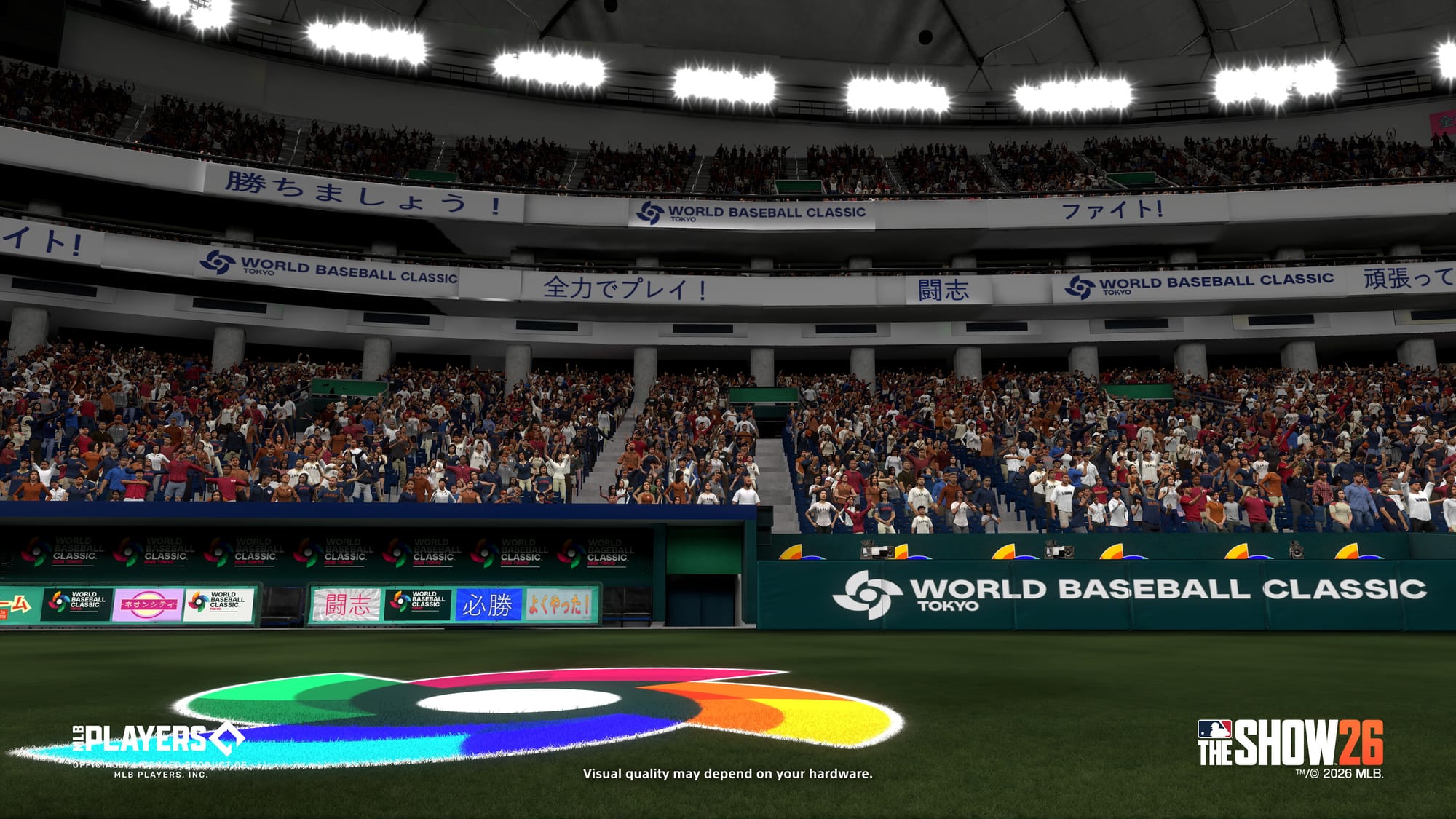
Diamond Dynasty also returns with its biggest international push yet through the reintroduction of the World Baseball Classic. MLB The Show 26 adds WBC venues like the Tokyo Dome and Estadio Hiram Bithorn, alongside tournament-based content tied to national teams and international competition.
Rather than overhauling Diamond Dynasty’s core structure, San Diego Studio is refining how seasons flow. Mini-seasons are being rebuilt, reward tracks are more flexible, and live-service updates are coming more frequently in an effort to make progression feel less repetitive and more reactive to real-world baseball rhythms.
The emphasis this year feels less about card volume and more about variety, pacing, and keeping competition fresh without inflating grind.
MLB The Show’s acclaimed Storylines mode continues with Negro Leagues Season 4, introducing new legends, teams, uniforms, and stadiums while expanding its documentary-style storytelling format.
 Emmanuel Umahi
Past Storylines seasons stood out for their historical depth rather than their mechanical complexity, and MLB The Show 26 leans further into that strength. The mode once again blends playable moments with narrated context, spotlighting players whose impact shaped the sport but were long excluded from mainstream baseball history.
Rather than feeling like an optional side mode, Storylines now feels embedded into the franchise’s identity, not just as entertainment, but as preservation.
Franchise mode may be where MLB The Show 26 delivers its most meaningful structural upgrades. The new Trade Logic System, built around a centralized Trade Hub, better reflects how real MLB front offices operate, factoring in contract timelines, competitive windows, organizational depth, and future projections rather than surface-level stat swaps.
Lineup management, pitching rotations, and bullpen usage have also been modernized to reflect today’s MLB strategies, including opener games, matchup-based bullpen deployment, and dynamic roster movement across long seasons. On top of that, players now have more control over simulation depth, allowing Franchise mode to function as either a hands-on managerial experience or a faster multi-season sandbox.
 Emmanuel Umahi
The changes suggest MLB The Show 26 isn’t just refining Franchise, it's rebuilding its logic layer so team-building feels less gamey and more grounded in real-world baseball economics.
On the field, MLB The Show 26 is making targeted mechanical changes aimed at reducing randomness and increasing player agency, especially in clutch situations.
The new Big Zone hitting interface is designed to balance accessibility with competitive depth, while Bear Down Pitching introduces higher-pressure control mechanics that make late-inning execution feel more deliberate and less scripted. Pitch attributes like hits per nine innings, strikeouts per nine innings, and pitch usage rates now behave more situationally, reflecting how real pitchers perform across different counts and game states.
Defensive realism is improving too, with new reaction rating attributes for fielders based on directional movement, along with the addition of a Catcher Pop Time stat that affects throws, steals, and tag timing. San Diego Studio also added over 500 new animations, including recaptured catcher movements for blocking balls, wild pitches, and knee-down receiving, subtle changes that reshape how natural gameplay feels without drawing attention to themselves.
Three new stadiums, the Tokyo Dome, Estadio Hiram Bithorn, and Terrapin Park, round out the update, reinforcing MLB The Show 26’s growing global footprint.
 Emmanuel Umahi