



Trading has become a mobile-first activity that’s easy to fit in your daily life. It’s no longer something you have to do through a broker, or during regular market hours. People check their portfolios on the train, place trades between meetings, and act on real-time alerts the moment they pop up. Across the US, mobile trading apps are quickly replacing the old desktop platforms and traditional brokers.
Accessibility Is Bringing More People Into the Markets
The biggest driver behind this change is simple accessibility. Modern trading apps have torn down many of the old barriers, letting millions of regular Americans start investing for the first time. It takes only minutes to sign up, and it’s straightforward to add money. The platforms are for people who have never traded before. Beginners used to kept away by fear and confusion.
Simplicity and Usability Fuel Adoption
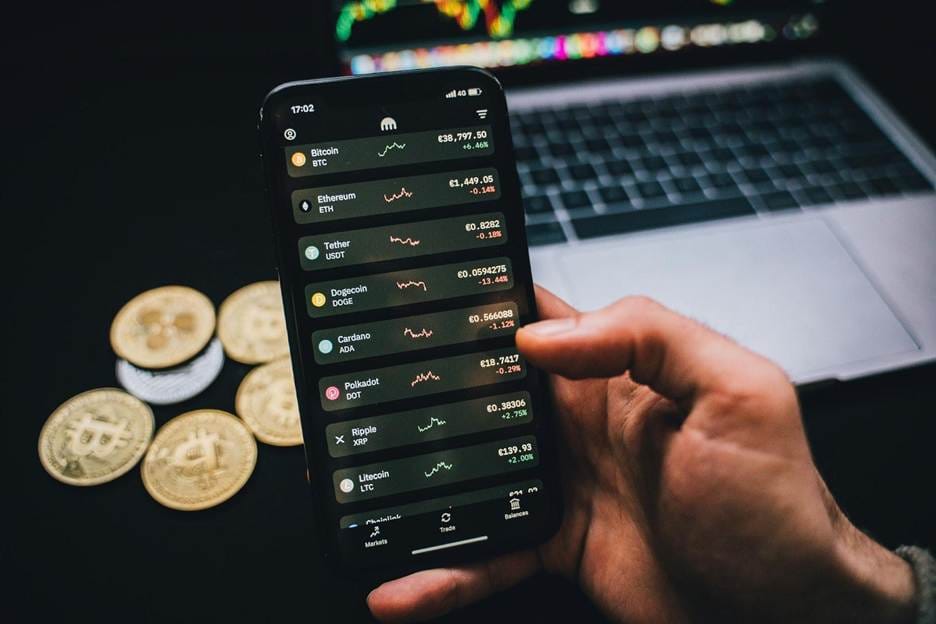
The apps are easy to use. The interfaces are clean, navigation feels natural, and you get real-time data at your fingertips. You don’t need years of experience or a finance degree anymore. Clear visuals and simple dashboards help you understand what’s happening in the market.
Modern trading apps typically offer:
- Real-time market data and instant alerts
- Clean, intuitive interfaces
- Low barriers for complete beginners
- Built-in tutorials and practice (demo) accounts
This straightforward design makes trading feel less intimidating and encourages more people, especially younger, phone-first users, to get actively involved.
Binary Options as a Beginner-Friendly Option
Some platforms have made participation even easier by offering simplified trading formats like binary options. With binary options, you simply predict whether an asset’s price will go up or down within a set time frame. The straightforward yes-or-no nature appeals to newcomers who find traditional stock or options trading too complicated at first.
That said, simplicity doesn’t mean low risk. Binary options are high-risk instruments and aren’t suitable for everyone. Even with an easy format, success still requires good timing, market awareness, and solid risk management.
Educating New Traders
Many apps have interactive charts, technical indicators and demo accounts to help people practice their strategies before they use real money. The better platforms are moving beyond “quick trades” toward helping users develop smarter, more informed approaches to investing.
How to Choose Your Platform
When you choose an app, focus on reliability and transparency. Also make sure the platform you’re considering follows proper regulations. The best apps are easy to use, have the right tools and will provide you with clear information.
Pocket Option provides binary options trading services to US residents. It’s accessible and it’s features work for both complete beginners and more seasoned traders.
Convenience vs. Discipline
It’s convenient to trade via your mobile, but it can also create new challenges. Being able to trade from anywhere could lead to overtrading, or impulsive decisions. That’s why it has become even more important to be disciplined. To trade successfully, you’ll need emotional control and clear strategies.
A New Standard for Investing
Mobile trading is the new normal. Platforms keep improving to meet investor expectations, and we’ll likely see more personalization, smarter analytics, and better educational tools built into these apps. It will become even easier to trade on your phone.
Mobile trading apps aren’t just changing how trades get executed. They’re fundamentally changing how people think about and engage with investing.
About the Author
David Stone writes about trends in digital investing and online trading. He has researched how technology influences investor behavior, accessibility, and market participation. His articles emphasizes how important it is to trade responsibly.


