



By 2026 web app development will have undergone a radical transformation, one that will look unrecognisable compared with what's been happening just a few short years ago. The process has taken a sharp turn towards becoming an intelligent, smart workflow that is powered by all sorts of automation, predictive analytics and the kinds of AI driven decision-making that's getting more popular by the day.
A modern software development agency like Netguru, nowadays, no longer just chugs along by following a set list of development tasks that must be checked off one by one but sees development as a single system where design & engineering and data all inform each other constantly.
What was once a pretty straightforward checklist has morphed into a living, breathing collaborative ecosystem that not only learns from experience but adapts and keeps on getting better with every new version. By merging tech with creativity and a solid dose of strategic thinking, agencies like Netguru have played a huge part in bringing about this new standard for developing digital products. These days, innovation isn't just about building software that works, it's about creating systems that can think, respond to what's going on and actually evolve alongside users and market conditions.
Strategic Planning and Research
Every successful web app begins with solid data and smart research. Product teams no longer rely on guesswork or intuition. Instead, they use predictive models that analyze industry trends, user behavior, and even public sentiment to guide key decisions. This early stage defines the project’s scope, target personas, and KPIs, all informed by AI insights that make research faster and far more accurate.
Modern planning tools now go beyond simple scheduling. They can estimate feature complexity with algorithms and highlight potential development bottlenecks through real-time dashboards. This makes the planning phase more strategic, data-driven, and flexible than ever before.
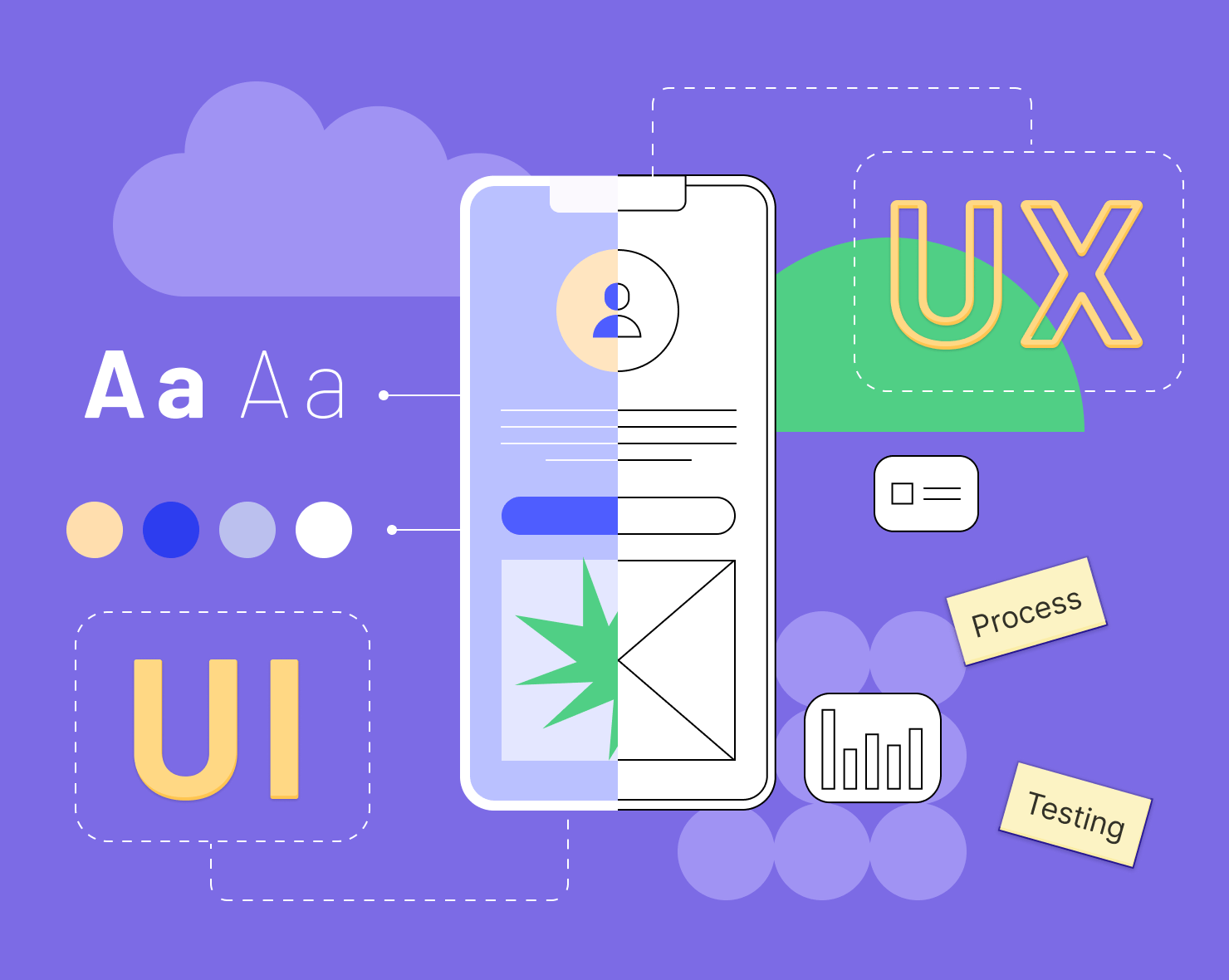
UX/UI Design Evolution
In 2026, user experience design focuses on inclusivity, performance, and usability across all devices and contexts. Designers no longer create isolated screens—they build flexible component systems that scale across multiple products. Tools like Figma, when paired with AI plugins, automatically check accessibility, balance visual hierarchy, and suggest adjustments to improve clarity and flow.
Design has also expanded beyond screens. With spatial computing and mixed reality becoming more common, user experience now includes gestures, voice commands, and interaction with real-world environments. The goal is to make digital products feel natural and responsive no matter how or where users engage with them.
Development and Cloud-Native Engineering
Development itself has continued to shift toward cloud-native ecosystems that allow teams to build faster and scale efficiently. Frameworks such as Next.js and SvelteKit are now leading the way thanks to their flexibility and high performance. Developers rely on containerized systems using Docker and Kubernetes to ensure modularity, easy scaling, and smooth CI/CD integration.
AI tools have become an integral part of the coding process. They generate boilerplate code automatically, optimize database queries, and predict possible code errors before they occur. Developers now work side by side with predictive completion tools and explainable AI systems that make programming both faster and more precise.
Testing, Security, and Quality Assurance
Testing has moved from a final step to a continuous process that runs throughout the development cycle. Machine learning models can now handle regression and unit tests autonomously, spotting potential issues before they affect app performance. AI-driven quality assurance tools analyze past bugs to predict where new problems are most likely to appear, which helps teams focus their testing efforts more effectively.
Security has also become more proactive. Zero-trust models are the standard, using continuous credential validation, digital fingerprinting, and real-time anomaly detection to prevent breaches. Observability platforms now work directly with CI/CD pipelines, giving teams full visibility into every system component at all times.
AI-Driven Deployment and Continuous Improvement
Deployment in 2026 is smarter, faster, and more predictive than ever. Cloud platforms use AI to handle scaling, manage auto-rollouts, and minimize downtime. Machine learning models can even forecast traffic spikes and adjust infrastructure automatically before problems arise.
Teams like those at Netguru have fully integrated AI-driven tools into their DevOps pipelines. These systems test various deployment environments automatically, ensuring a smooth and stable transition from development to production. Once a product is live, telemetry data loops back into the planning phase, creating a continuous cycle of learning and improvement.
Conclusion
Web app development today is the meeting point of human creativity and machine precision. Technology enables developers to move faster and smarter, but it also challenges teams to stay mindful of ethics, transparency, and inclusivity. The development process of 2026 is not just about building better software. It represents a shift in mindset—seeing development as an ongoing dialogue between people, technology, and data that never truly ends.
FAQ
What makes the 2026 web app development process different from past approaches?
The biggest difference lies in the integration of AI and automation. Development is no longer a sequence of separate stages but an interconnected cycle that allows for faster, more adaptive, and more accurate results.
How is AI helping developers in testing and deployment?
AI systems can automatically detect bugs, predict failures, and manage scaling in real time. This reduces manual work, improves reliability, and helps teams deliver updates with less risk.
What role does cloud-native architecture play?
Cloud-native development supports modular scaling, containerized services, and continuous delivery. It lets teams deploy across multiple cloud providers with greater efficiency and control.
Are AI tools replacing developers?
No. AI tools assist developers rather than replace them. They take over repetitive and technical tasks, allowing people to focus on innovation, strategy, and creative problem-solving.
How can teams adopt this modern development model?
Start by introducing AI-based analytics or CI/CD tools into existing workflows. From there, expand into predictive design systems and automated testing to gradually build a smarter, more efficient development process.


