Streaming fatigue is real. Between endless scrolling and algorithm burnout, even movie nights can start to feel repetitive. Netflix seems to have noticed. Its next big move is about giving audiences something to do instead of just something to watch.
After experimenting with mobile gaming on iOS and Android since 2021, the company is now expanding to the big screen. You can play games directly on a smart TV using a smartphone as a controller. Scan a QR code, connect over Wi-Fi, and your phone becomes the remote for a growing library of party-style titles.
The debut lineup includes Boggle Party, Pictionary: Game Night, Tetris Time Warp, Lego Party, and Party Crashers: Fool Your Friends. The setup is designed to be quick and social, similar to choosing a movie for group viewing. Netflix says the games are free to play and included in every subscription plan, with no microtransactions or extra hardware needed.
 Emmanuel Oyedeji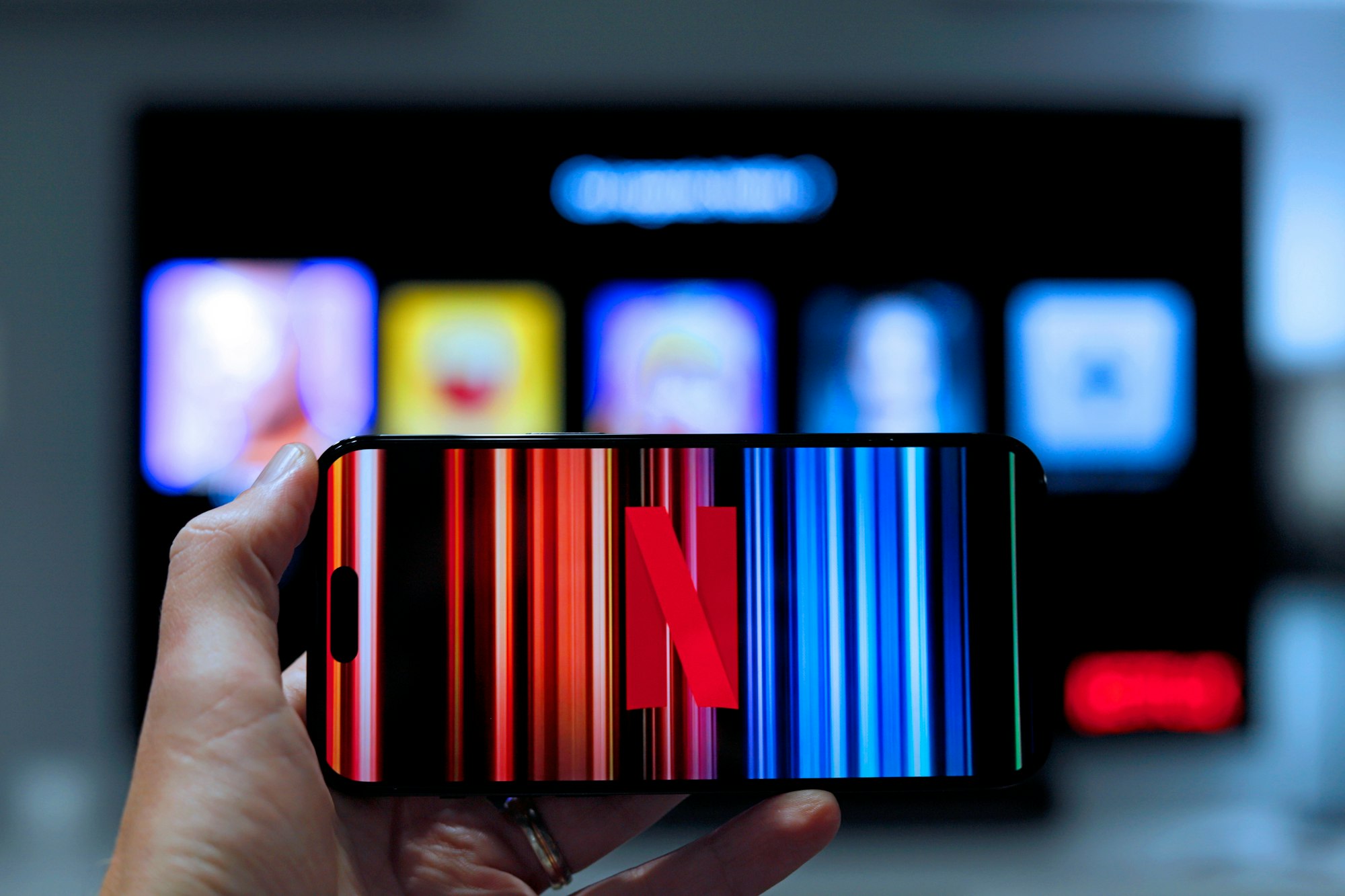
It’s an appealing idea, but one that raises questions. Will casual gaming inside Netflix really stick, or will it be a short distraction between shows? With more than 270 million subscribers and apps already built into most smart TVs, Netflix has the reach. Turning that reach into sustained engagement, though, is the harder part.
In a crowded streaming market where Disney+, Apple TV+, and Prime Video compete for attention, interactive entertainment could give Netflix a new edge. It also acts as a test against streaming fatigue, offering an active experience instead of passive viewing. Still, the company is entering a space where many others have stumbled. Warner Bros. tried to turn its franchises into games and never found a footing.
Netflix’s head of gaming, Alain Tascan, says the company is taking the long view. “A lot of studios took a short-term approach,” he said. “To entertain the world, we must include games.” Behind the scenes, Netflix has spent years acquiring small studios and building cloud systems to handle multiplayer play.
The concept might sound unusual now, but so did streaming itself when Netflix was mailing DVDs two decades ago. This time, its success will depend less on novelty and more on staying power. The company has pressed play on gaming, but whether people keep playing is the next big question.
 Henry Chikwem