From Lagos to Kigali, Nairobi to Cape Town, builders have been climbing panel after panel to talk about AI in Africa. It is clear that they have some ideas and hypotheses on how AI can take us to a world we could not have even dreamt of. But when we look at VC funding in the region, a different kind of reality sets in.
On a surface level, it would seem like the continent has snubbed AI. Only 6 per cent of venture capital funding has gone to AI companies from the total $3.6 billion raised in 2025. In a world where people are tripping over each other to invest in the next buzzy AI startups of the future, why does this seem to be the case on the continent?
In a stunning analysis this week, we dived deeper into the data to offer the real truth about AI in Africa. What we discovered might come as a surprise, as it did to me. African founders are deep at work in AI. It is the method of funding collation that fails to understand the peculiarities of the region. If any piece will change your mind about how Africans build, let it be this essay below.
— Dennis, Managing Editor

Also, on building this week, we speak with Marcos Valera, a go-to-market strategist at ElevenLabs, the London-based AI research startup that builders at Meta, Nvidia and The Walt Disney Company have become fans of. He opens up on his experience as a founder in a hacker house and why he is now hosting them across the world.
🤖 AI and productivity
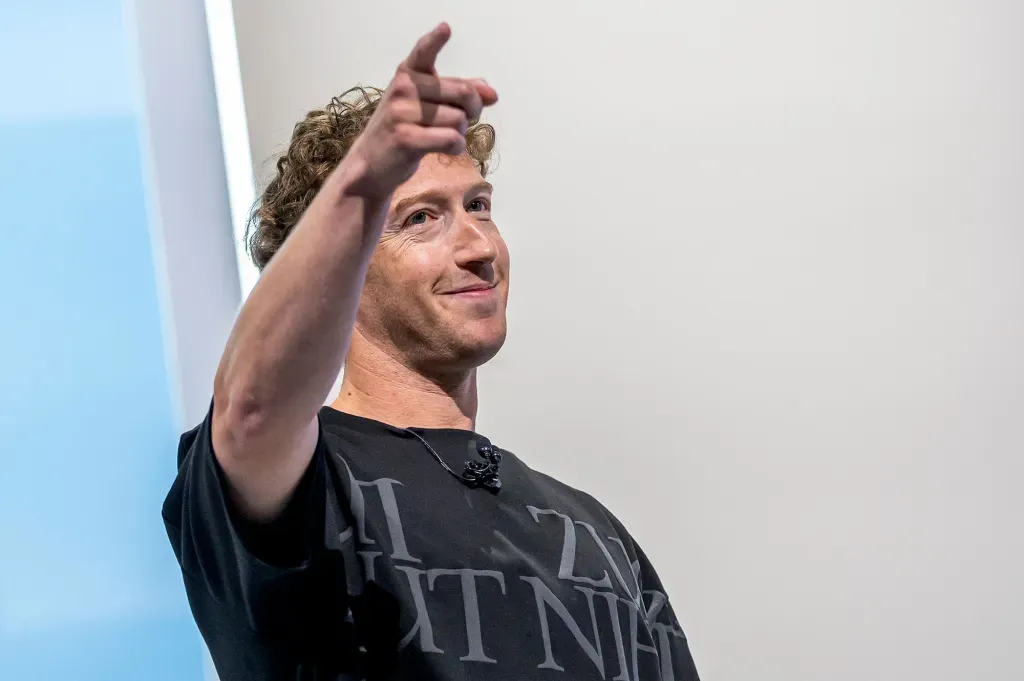
New reports claim that Meta has pushed back the release of its next foundational AI model, code-named Avocado, from this month to at least May 2026. The delay follows internal tests in which Avocado fell short of the performance benchmarks set by leading AI models from Google, OpenAI, and Anthropic across reasoning, coding, and writing tasks.
A company with 12 employees raised over $1 billion this week. It is led by Yann LeCun, the former chief AI scientist at Meta.

🌍 Beyond Silicon Valley

India is fighting hard to become a manufacturing hub for smartphones. This week, the government announced new incentives that it hopes will lure even more American phone makers, as relationships with China and the US get even more tense.

The Central Bank of Kenya and the National Bank of Rwanda have signed the Kigali Declaration on Fintech License Passporting, a framework that allows payment service providers licensed in one country to operate in the other without going through a full licensing process again.

Microsoft is taking the fight away from the heat of the West to Africa. The company announced grand plans to train 3 million Africans in AI. If successful, this would significantly change the game for the future of AI.

🔓 Privacy Mode

This week, former employees of Trenchant, the hacking and surveillance tech division of American defence contractor L3Harris, have come out to claim that Coruna, a tool used by China and Russia to allegedly hack devices including crypto wallets, was built by the company.

By far one of the most innovative features rolled out this year is the Samsung privacy display, allowing customers to use their phones in private away from prying eyes. This week, we returned to it with fresh eyes, offering our perspective on why we believe it would endure.

🎮 Gaming & Entertainment

- Here Are All the Games Coming to PlayStation Plus Extra and Premium in March 2026
- Jeff Kaplan Breaks Silence on Leaving Blizzard, Citing Profit Pressures
- Microsoft Teases Next-Gen Xbox "Project Helix" at GDC 2026
- Fortnite Is Raising V-Bucks Prices Starting March 19—Here's What’s Changing
- Nintendo Drops Final Super Mario Galaxy Movie Trailer, Reveals Yoshi, Wart and Full Voice Cast
🪙 Crypto and Global Finance
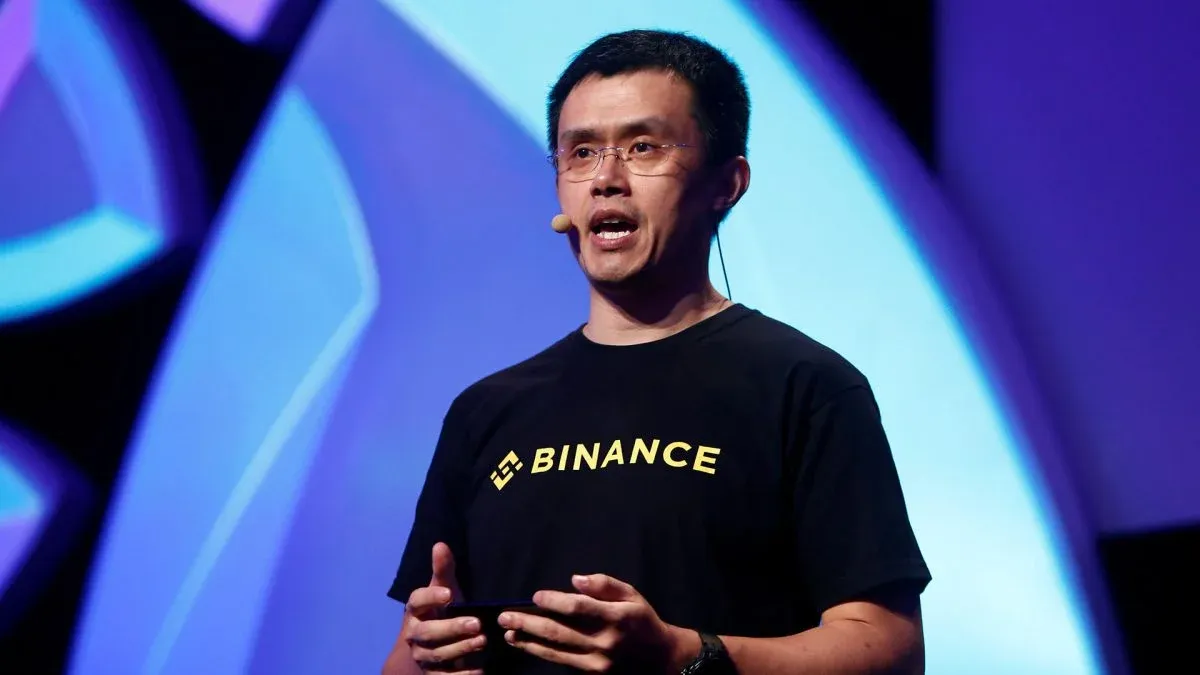
Binance.US has appointed Stephen Gregory, a longtime compliance executive in the digital asset space, as its new chief executive officer. He replaces Norman Reed, who will remain with the company in an advisory role. The leadership change comes at a time when U.S. regulators are watching crypto platforms more closely than ever.