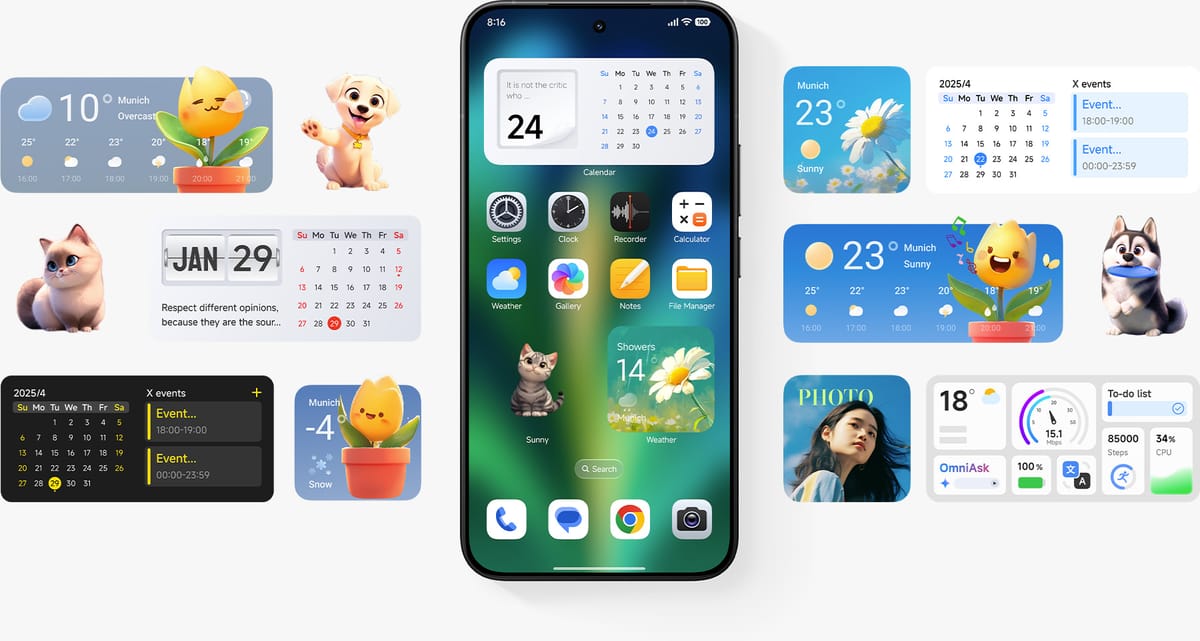
When OnePlus talks about software, it often promises speed and smoothness. With OxygenOS 16, it’s setting out to prove what that looks like in an AI-powered world. The update, announced in India and scheduled for global rollout from November 2025, is built on Android 16 and brings new motion systems, design refinements, and a greater focus on intelligence and integration.
At the core of this update is the Expressive UI, OnePlus’s interpretation of Google’s Material You 3.0 design framework. It introduces an upgraded animation engine with Flow Motion and Parallel Processing 2.0, both designed to reduce lag and create more continuity across transitions. The company describes these as part of a broader effort to make interactions appear faster and more natural.
Visually, OxygenOS 16 adopts a lighter aesthetic. The new “Liquid Glass” finish adds Gaussian blur and soft transparency throughout menus and notifications, while the “Breath with You” design language unifies color, layout, and motion. The result, according to OnePlus, is a calmer and more adaptive interface that better reflects context and lighting.
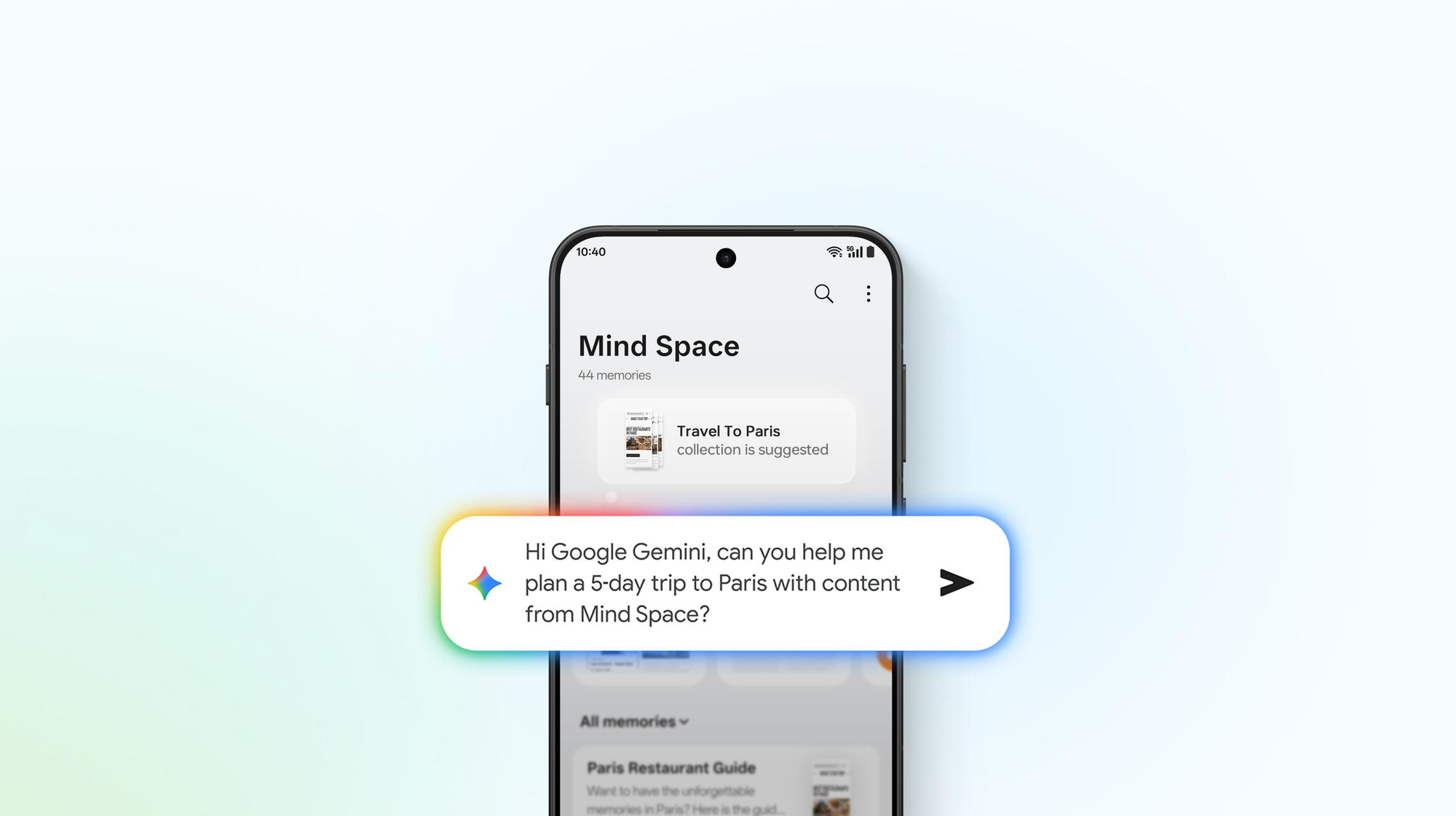
Artificial intelligence is also taking a front seat. The new Plus Mind assistant works with Mind Space, a productivity hub for saving notes, screenshots, and links through simple gestures. The company has also partnered with Google to integrate Gemini, which OnePlus calls the first “personalized AI” experience on a smartphone. Additional tools include AI Writer, AI Scan, AI Recorder, and Party Up, each aimed at improving creative and organizational tasks.
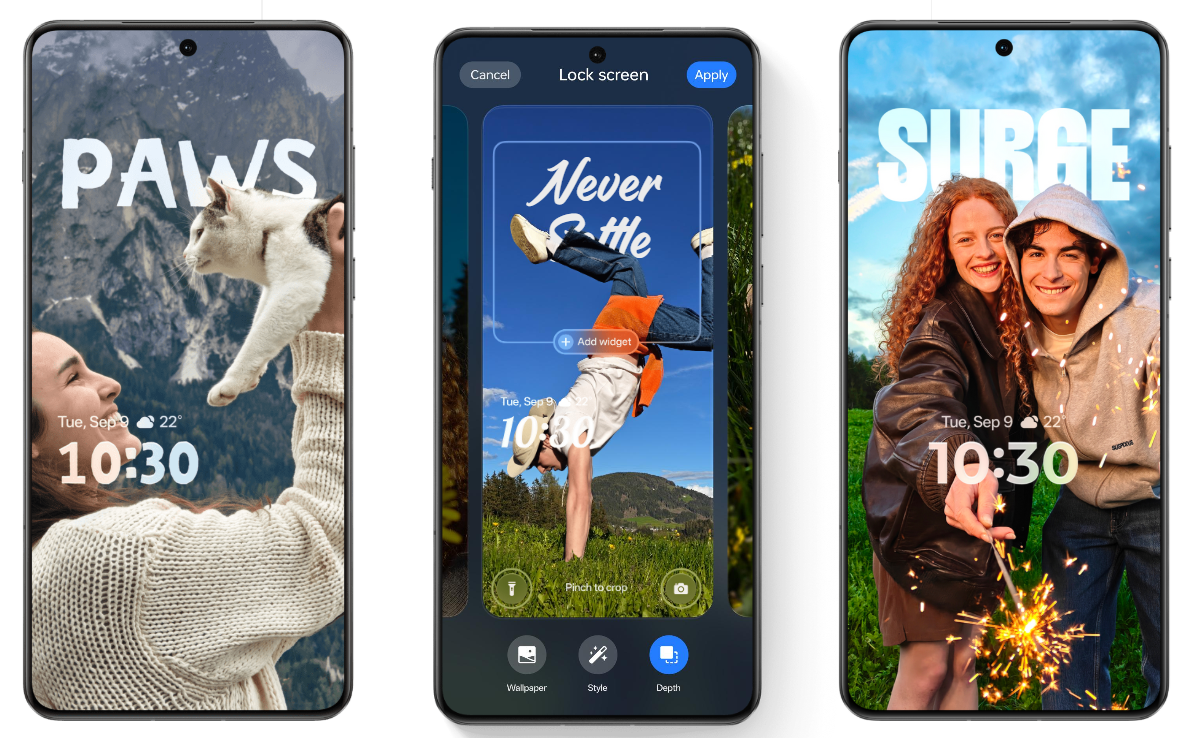
Customization expands with the Flux icon pack and Flux Themes 2.0, which introduce adaptive icon resizing, updated folder layouts, and interactive lock-screen elements such as clocks and widgets. Users will also be able to add motion wallpapers and fine-tune visual density for a more consistent layout.
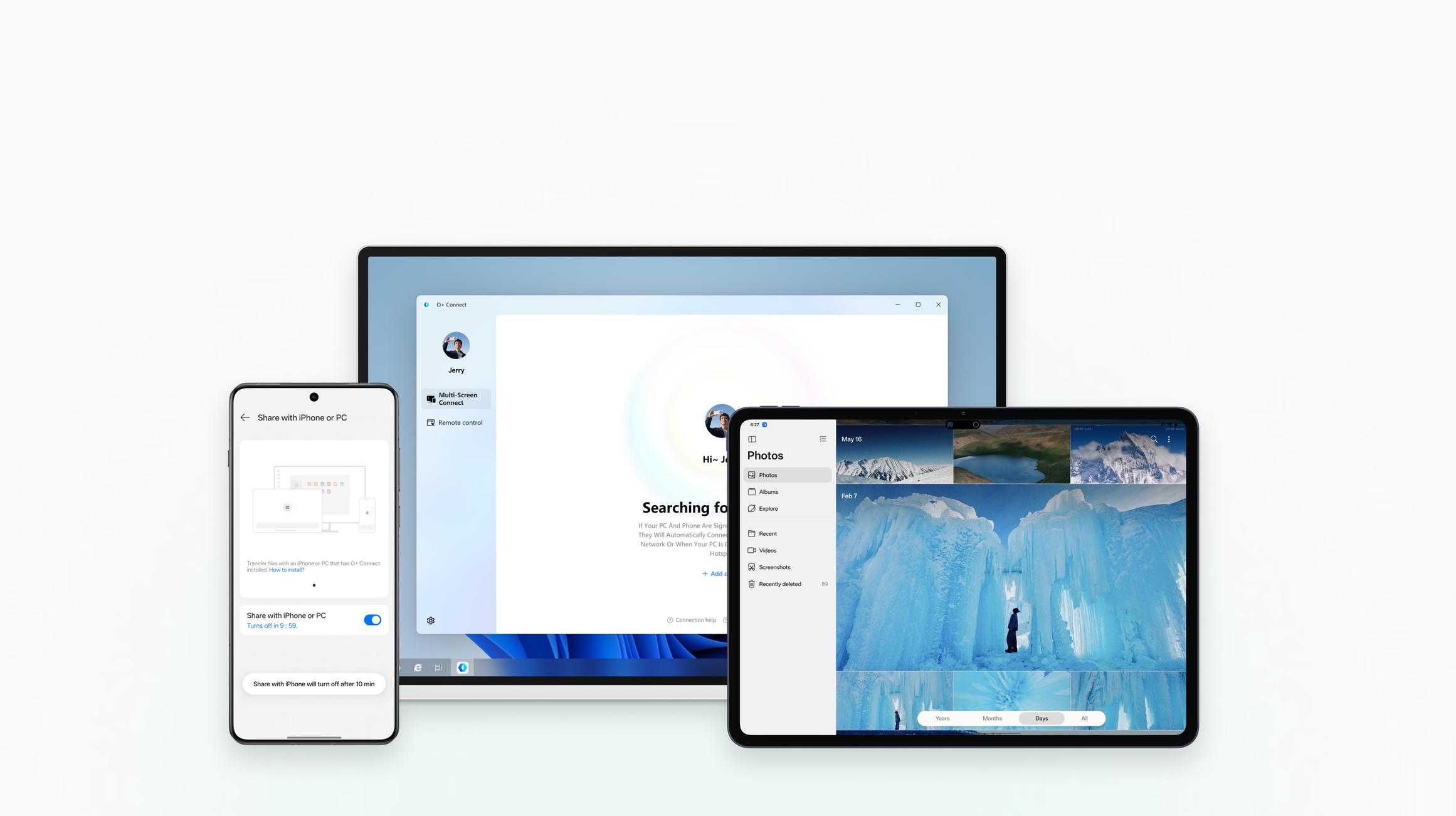
Beyond aesthetics, OxygenOS 16 strengthens device connectivity. The Cross-Device Hub centralizes syncing between phones, tablets, laptops, TVs, and Android Auto, enabling file sharing, screen casting, and notification control from one interface. Through the OHealth app, Apple Watch users can now pair with OnePlus phones for call, camera, and fitness syncing.
A few security upgrades include Plus Lock Protection, which adds eleven layers of encryption, and a Private Computing Cloud that keeps sensitive information stored locally. The OnePlus 15 ships with OxygenOS 16 pre-installed, while updates for the OnePlus 13, 12 series, Open, and Pad 3/2 begin in November and continue into early 2026 for older models.
Positioned between Samsung One UI and Xiaomi MIUI, OxygenOS 16 continues to favor a lighter, less cluttered interpretation of Android. But early reactions suggest the distinctions are narrowing, as its interface now resembles ColorOS and Realme UI more closely than before. The question is whether that evolution reflects progress or the gradual erosion of OnePlus’s once-clear identity.
In that sense, OxygenOS 16 feels like a turning point. It embodies where Android is heading: intelligent, fluid, and unified, while reminding users how thin the line between cohesion and conformity has become.
 Oyinebiladou Omemu