



If you’re on an Apple computer, knee-deep coding (or vibe coding) your way through a new idea, you’re in luck. OpenAI has just released a standalone app for macOS users of its AI-powered coding assistant, Codex, giving developers a more focused way to build, test, and manage projects outside the main ChatGPT interface.
In a blog post, the company said that it was “excited to show more people what's now possible with Codex.”
“For a limited time, we're including Codex with ChatGPT Free and Go, and we're doubling the rate limits on Plus, Pro, Business, Enterprise, and Edu plans. Those higher limits apply everywhere you use Codex—in the app, from the CLI, in your IDE, and in the cloud,” it said.
Codex itself isn’t brand new. OpenAI first introduced the tool on the ChatGPT platform as an AI agent capable of writing code, fixing bugs, and handling longer technical tasks on a developer’s behalf. Over time, it became one of the company’s most popular developer-facing features, with OpenAI reporting that more than one million developers used Codex in the past month alone.
 Damilare Odedina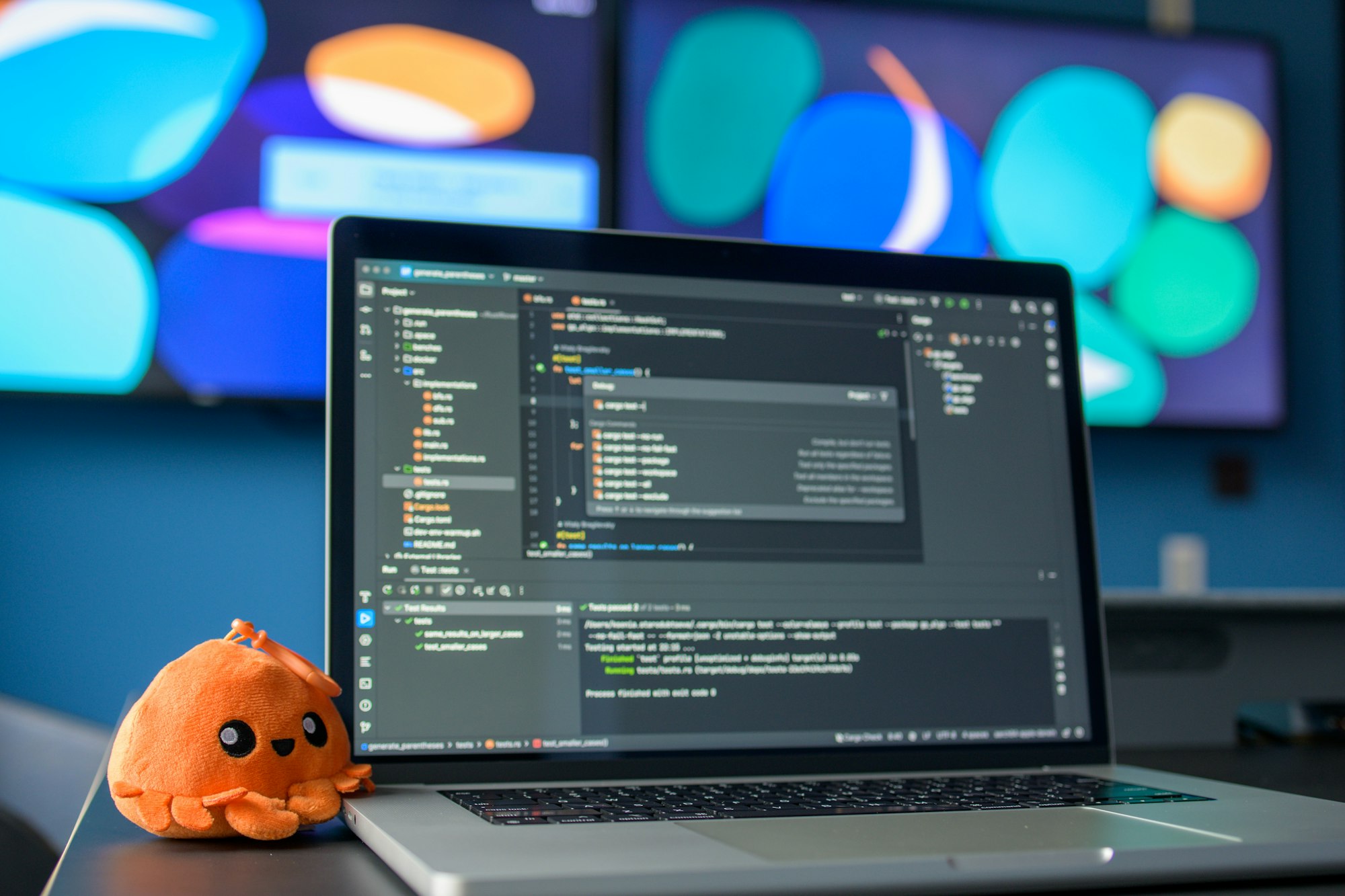
The standalone Codex app, currently available on computers running macOS, is designed to act as a “command centre” for developers juggling multiple projects or AI agents at once. Each agent runs its own thread, organised by project, making it easier to track changes, review outputs, and collaborate with AI over longer periods of time. Agents can even run in parallel, which is especially useful for developers working on complex or long-running tasks.
Before now, access came with limits. Codex was largely locked behind paid ChatGPT subscriptions — Plus, Pro, Business, Enterprise, or Edu — which meant free users could only watch from the sidelines. But with the new app comes a couple of temporary changes to that, too. OpenAI is opening the doors wider this time.
That means anyone with a ChatGPT account can try Codex across its interfaces, including the new Apple app, without immediately upgrading.
 Louis Eriakha
It was about time OpenAI started paying a bit more attention to its coding community, seeing as the competition in the sector is already heating up fast. Rivals like Anthropic and Cursor have built strong momentum, with Anthropic claiming its Claude Code tool hit $1 billion in annualised revenue within six months of launch. Coding has quietly become one of AI’s biggest real-world success stories, and OpenAI has been under pressure to pick up its pace.
For OpenAI, the Codex app looks like a calculated step in that direction. By making the tool easier to use, more accessible, and less locked behind paywalls, at least for now, the company is betting that once developers experience what it can do, they’ll stick around.


