In November 2024, Perplexity published a post on its own website making the case for AI advertising. The language was unambiguous. "Advertising is the best way to ensure a steady and scalable revenue stream," it said.
Fourteen months later, the same company says it may "never ever need to do ads," according to the Financial Times.
Perplexity launched its ad programme in November 2024 with Indeed, Whole Foods Market, Universal McCann, and PMG as the first partners. Sponsored content were labelled beside chatbot answers. The company maintained throughout that ads had no bearing on its responses. By late 2025, it had stopped accepting new advertisers. On Tuesday, February 18, executives confirmed the exit was permanent..
The reason, per the Financial Times, comes down to user trust. "A user needs to believe this is the best possible answer, to keep using the product and be willing to pay for it," an executive said. The problem was not the labelling — it was what labelling couldn't fix. "The challenge with ads is that a user would just start doubting everything," the executive added, "which is why we don't see it as a fruitful thing to focus on right now."
 Damilare Odedina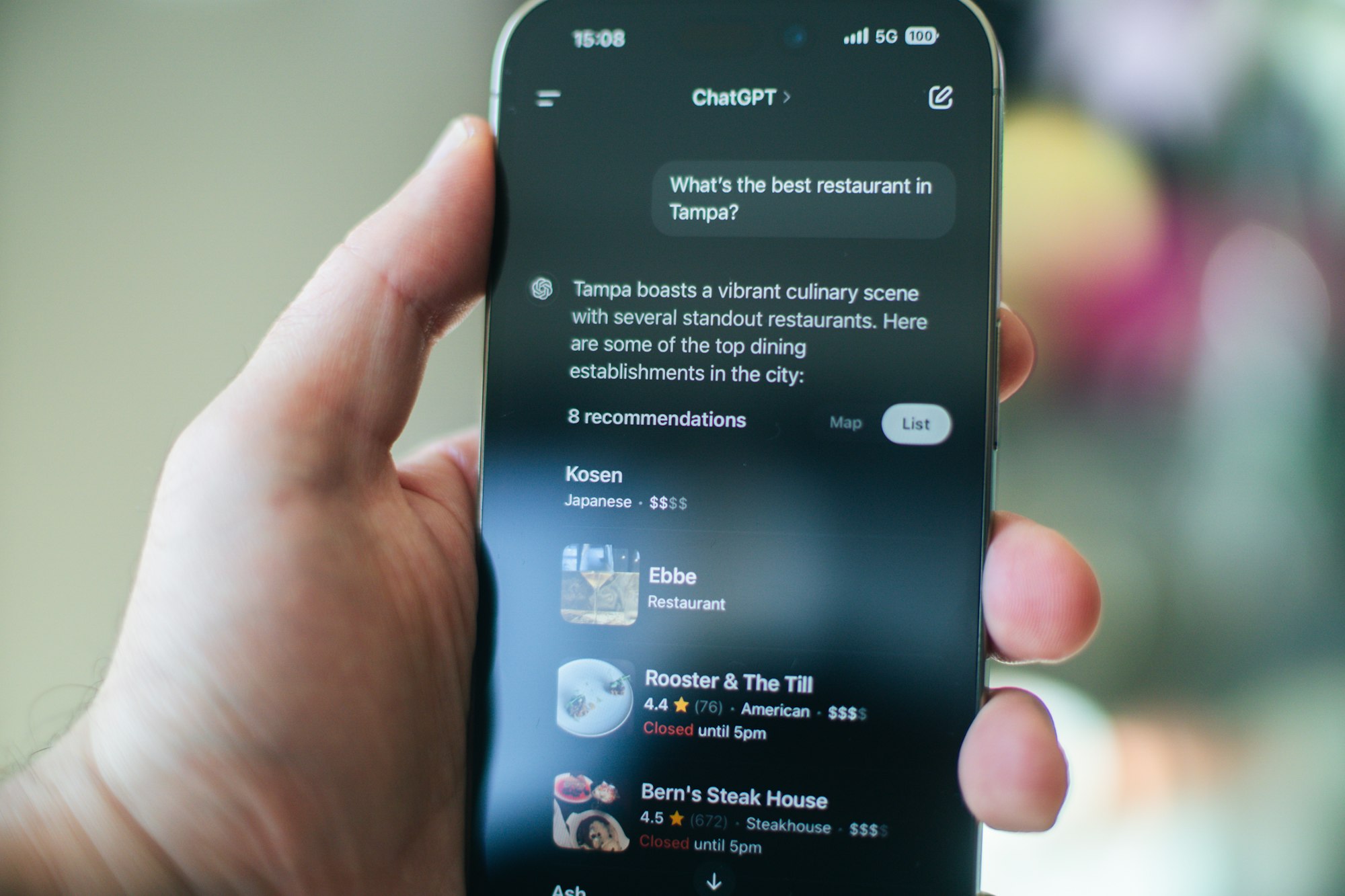
Every Other Major AI Company Is Moving the Other Way
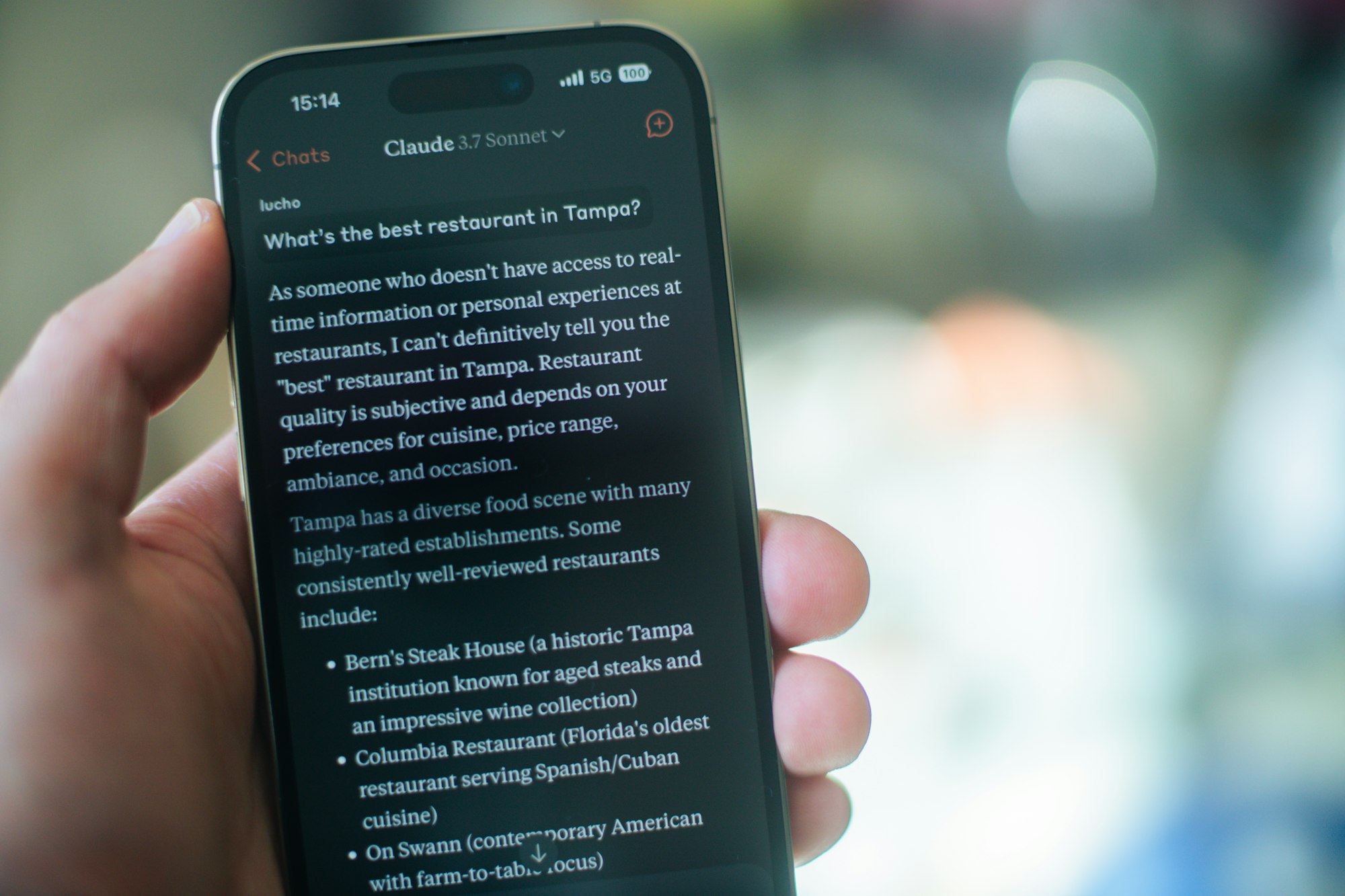
OpenAI began testing ads inside ChatGPT last week for users on free plans — the first time the company has introduced advertising on its core product. The format mirrors what Perplexity built: labelled placements beneath answers, with OpenAI stating responses are not influenced by advertisers. Google already runs advertising inside AI Mode and AI Overviews in traditional search. Anthropic this month committed to keeping Claude ad-free.
Perplexity also has shopping features on its platform. Executives confirmed to the FT that the company takes no revenue from transactions through that feature.
Subscriptions Are Now the Whole Business
Perplexity is valued at $18 billion, with $200 million in annualised revenues—the majority from subscriptions at $20 and $200 per month, and a free tier with rate limits, according to the reports. The company has more than 100 million users. "We are in the accuracy business, and the business is giving the truth, the right answers," a second executive told the FT.
On whether advertising could return: the model is "misaligned with what the users want," an executive said.
 Damilare Odedina