



When you first land on AliExpress, the reaction is almost universal: “How can prices be this low?” From headphones that cost less than a cup of coffee to kitchen gadgets at a fraction of Western retail prices, the deals are hard to resist. But so is the skepticism. Many shoppers wonder: is AliExpress really legit, and more importantly, is it safe to use in 2025?
Alex Cole, writing for SafePaper, has compiled one of the most detailed safety guides on this subject. What follows is a rewritten and extended summary for Techloy readers, highlighting the essentials while pointing you toward the full in-depth article on SafePaper for a deeper dive.
This article condenses the key findings for Techloy readers; for case studies and step-by-step safety checks, read the complete SafePaper investigation.
What Exactly Is AliExpress?
AliExpress is part of Alibaba Group, the Chinese tech giant that also operates Taobao and Tmall. Launched in 2010, AliExpress quickly became a global hub for cross-border shopping, now serving over 150 million active users across more than 200 countries.
The model is simple: AliExpress acts as a middle ground between Chinese sellers—often manufacturers—and global buyers. Unlike Amazon, which mixes direct retail with third-party sellers, AliExpress is purely a marketplace. That makes prices dramatically cheaper, but it also shifts responsibility: you are buying from individual sellers, not from AliExpress itself.
This setup has given AliExpress an important place in the global discount shopping ecosystem, alongside names like Shein and Temu. While Shein focuses on fashion and Temu on ultra-fast, gamified shopping, AliExpress remains the older, broader marketplace with roots in wholesale and manufacturing.
The Legitimacy Question
The short answer: yes, AliExpress is legit.
AliExpress is owned by Alibaba, a Fortune 500 company with strict legal and financial oversight. The platform is registered internationally, complies with e-commerce laws, and is far too large and visible to be a scam in itself.
But “legit” doesn’t mean “risk-free.” AliExpress is the infrastructure, not the seller. You may encounter excellent sellers with genuine goods—or dishonest ones with fake listings. Understanding this distinction is key before you press Buy Now.
Safety Measures Built Into AliExpress
AliExpress does take steps to keep buyers safe. Cole outlines several key protections:
- Escrow Payments – Your money is held until you confirm delivery.
- Buyer Protection – Refunds available if items don’t arrive or are misrepresented.
- Seller Ratings – Public reviews and scores help identify trustworthy sellers.
- Secure Payments – Options like PayPal, Alipay, and credit cards add another layer of security.
- Dispute Resolution – AliExpress mediates if buyer and seller can’t agree.
- Privacy Protection – Sellers only see your shipping details, not payment info.
These systems make AliExpress generally safe, but — as Cole stresses — awareness is still necessary.
8 Common Scams on AliExpress (and How to Avoid Them)
Cole details eight types of scams that buyers should be cautious about:
- Fake or Low-Quality Products — Watch for knockoffs. Stick to “Top Brand” sellers.
- Misleading Descriptions — Read carefully and check photo reviews.
- False “Delivered” Notices — Dispute immediately if you never receive items.
- Bait-and-Switch — Wrong products sent instead of what you ordered.
- Fake Tracking Numbers — Keep an eye on updates, report inconsistencies.
- Requests for Off-Platform Payments — Always refuse; this cancels buyer protection.
- Post-Purchase Price Changes — Sellers asking for extra fees — cancel and report.
- Fake Seller Accounts — Avoid new sellers with no history.
Each scam comes with red flags and countermeasures. For example, counterfeit goods are often priced well below official retail, while fake sellers usually lack transaction history.
Want the full case studies and detailed scam-avoidance strategies? Read the original SafePaper article here: Is AliExpress Legit and Safe? A complete Guide for Shoppers.
7 Practical Tips for Safer Shopping
To reduce risks, SafePaper suggests these strategies:
- Stick with trusted, long-established sellers.
- Read buyer reviews with photos, not just text.
- Be wary of deals that are too good to be true.
- Use only AliExpress-approved payment methods.
- Monitor shipping updates closely.
- Keep digital records of all chats and invoices.
- Act quickly when filing disputes.
These steps transform AliExpress from a risky gamble into a manageable, even rewarding shopping experience.
Why AliExpress Is So Cheap?
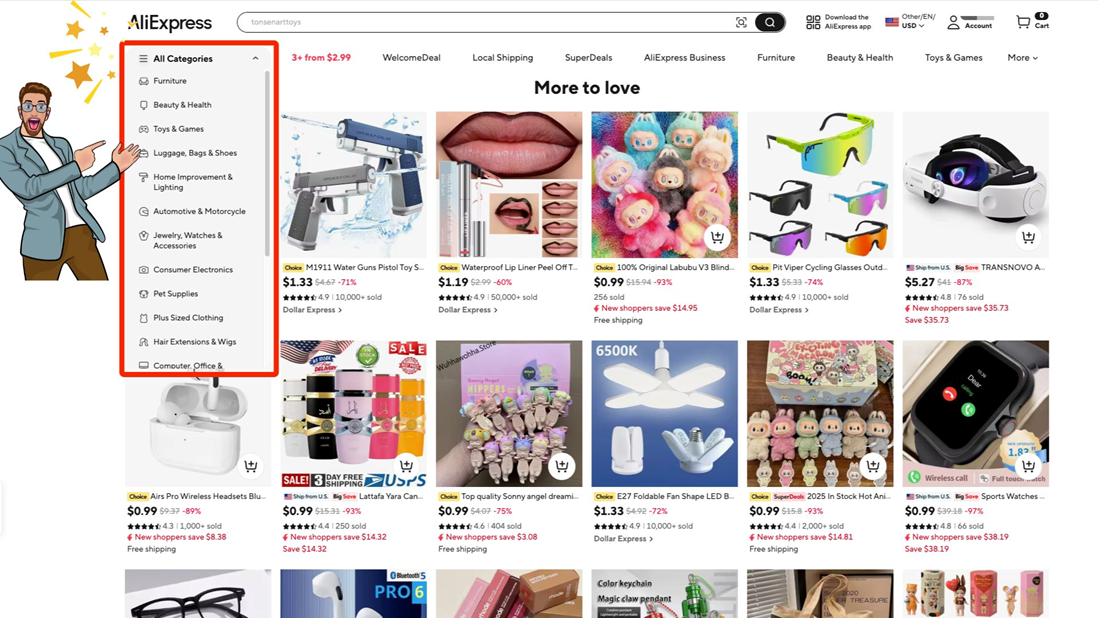
Skepticism around AliExpress often comes from its pricing. Here’s why costs are so low:
- Direct Factory Access – Cutting out middlemen.
- Lower Production Costs in China – Labor and materials remain cheaper.
- Reduced Overheads – No physical storefronts.
- Hyper-Competition – Sellers often operate on thin margins.
- Bulk Manufacturing – Economies of scale lower per-unit costs.
- Minimal Branding Costs – Many products are unbranded.
- Low-Cost Shipping – ePacket and similar methods keep delivery affordable.
- Tax Thresholds – Small parcels often avoid import duties.
Cheap doesn’t equal fraudulent, but it does mean you get what you pay for. Branded electronics at 90% discounts? Likely fake. Unbranded gadgets at rock-bottom prices? Often genuine, just mass-produced.
The Shopper’s Perspective
For many users, AliExpress is a game of trade-offs. One U.S. buyer might boast about a $5 smartwatch that works fine for months. Another may complain about a month-long delay and a non-functioning gadget.
The difference often lies not in AliExpress itself, but in seller choice and shopper awareness. By applying SafePaper’s guidelines, buyers can tilt the odds toward satisfaction rather than frustration.
Final Word
So, is AliExpress legit and safe? Yes, but with caution.
AliExpress is a lawful, established platform. Still, like any online marketplace, it comes with risks. With the right precautions, buyers can enjoy great deals while avoiding scams.
This summary only scratches the surface. To get Alex Cole’s full analysis — complete with more detailed scam examples and extra safety advice — visit SafePaper and read the complete guide.
About SafePaper
SafePaper is an independent content site focused on cybersecurity and online privacy. We’re dedicated to helping you navigate today’s complex digital landscape by offering practical how-to guides, top security tool recommendations, analysis of trending events, and clear explanations of technical concepts.


