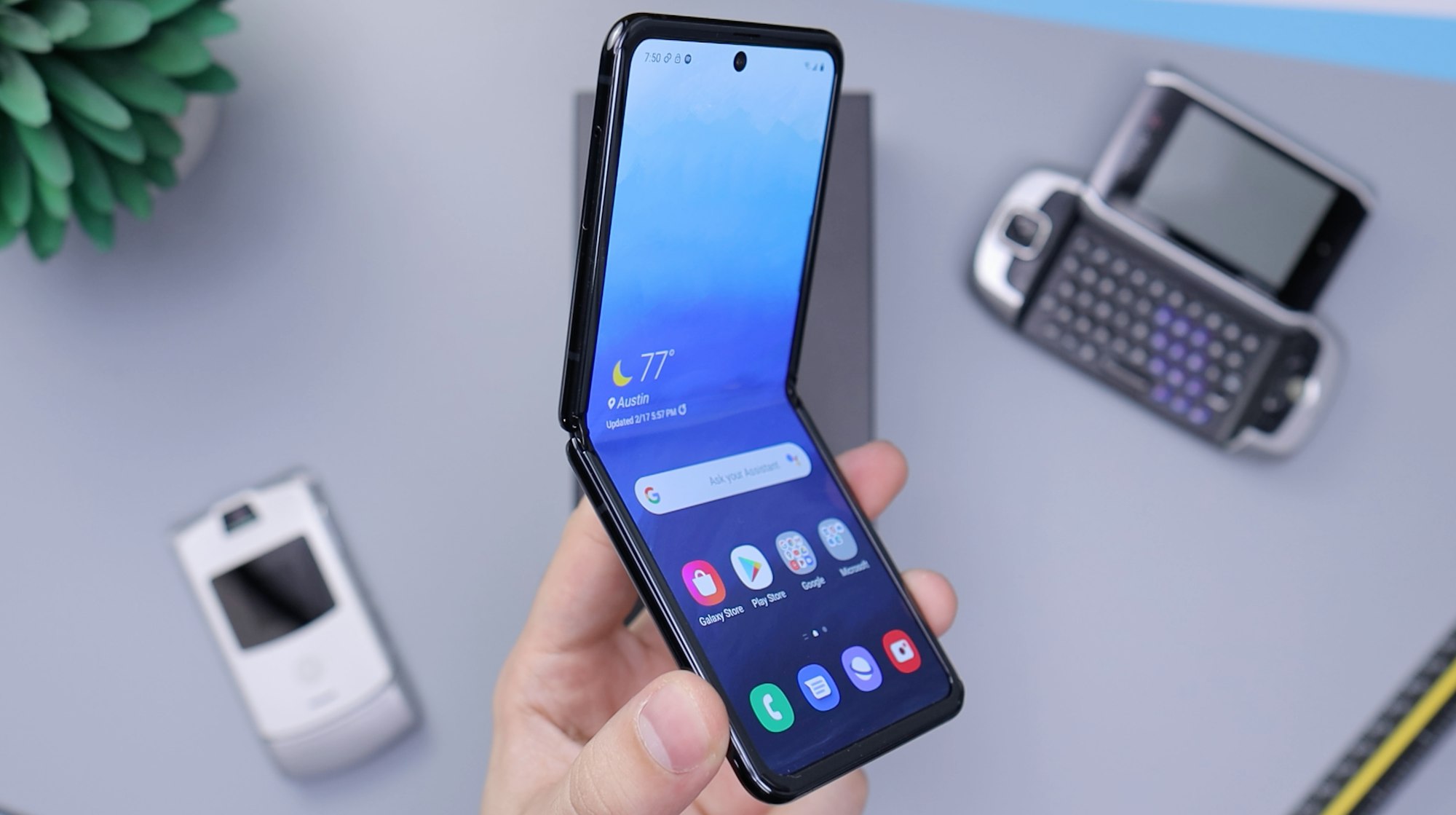
In September last year, Huawei nearly broke the internet when it unveiled the Mate XT, the world’s first proper tri-fold phone. After months of leaks, blurry spy shots, and “accidental” hands-on clips, the device finally dropped, and immediately became the one phone everyone wanted to touch. Problem was, the device was locked inside China with no Google apps, no global Android support, and no realistic path for international users.
It was a breakthrough, sure, but also a reminder that innovation doesn’t mean much when most people won't be able to properly utilize it.
But tech never stays in one place for long. Once one company kicks off a new category, the rest of the industry starts sharpening their knives. And now, just a year after Huawei’s big moment, Samsung has finally stepped into the tri-fold arena with something that feels far more accessible: the Galaxy Z TriFold. This isn’t just “Samsung’s version”, it’s the first tri-fold that most people might actually be able to use.
 Kelechi Edeh
If you’ve been keeping an eye on foldables, you already know Samsung has been teasing this thing for ages. But the full announcement finally gives us the details we’ve been waiting for.
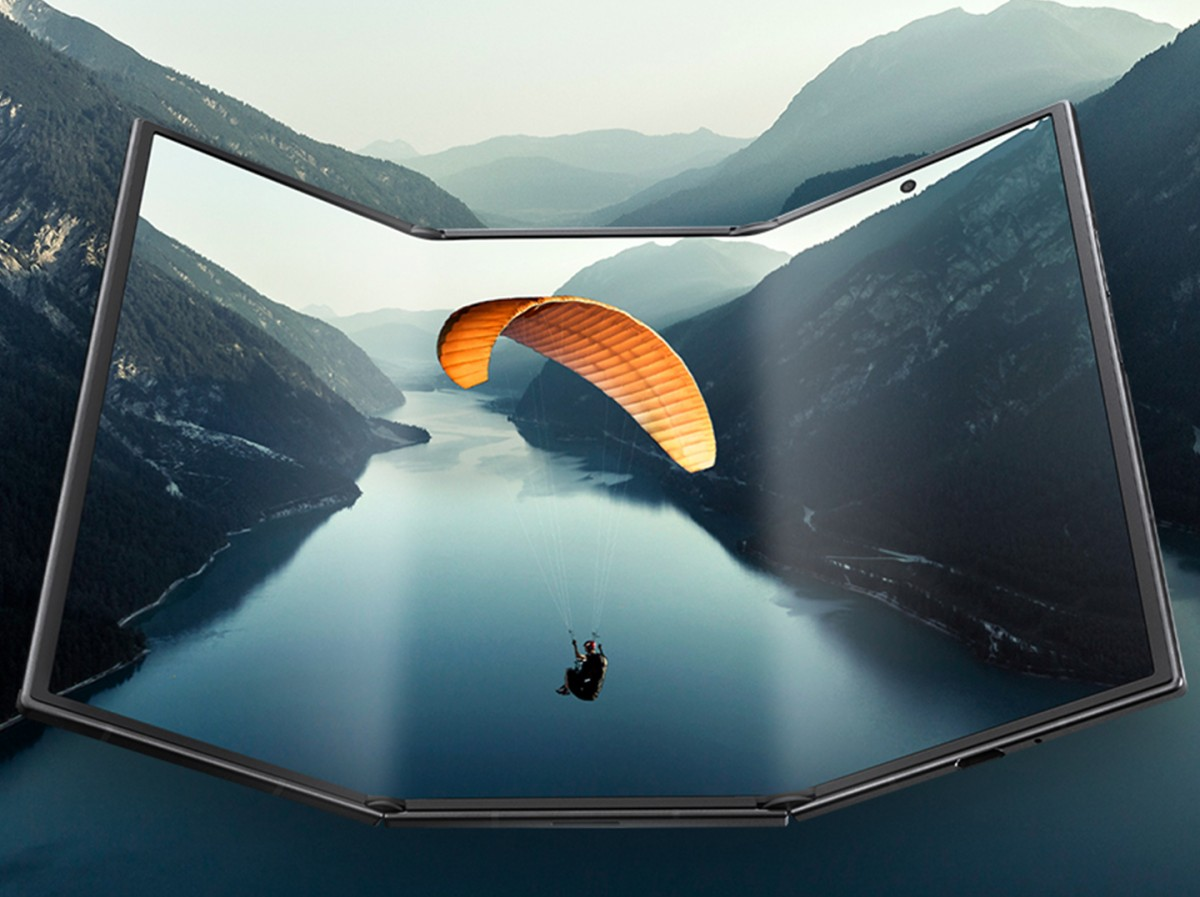
When fully unfolded, the Z TriFold opens into a massive 10-inch display, slightly smaller than Huawei’s 10.2-inch screen, but with a smoother 1–120Hz adaptive refresh rate and Samsung’s signature OLED tuning. The design uses two inward-folding hinges so the main display stays protected and boasts a 3.9 mm profile.
Specs-wise, Samsung is going all-in. You get a Snapdragon 8 Elite for Galaxy chip, 16GB RAM, 512GB or 1TB storage, and a 5,600mAh battery, matching Huawei’s capacity but adding Samsung’s polished software optimizations and AI features. Multitasking is a major focus, too. While the Mate XT introduced the idea of running multiple apps across its panels, Samsung takes it further with three full-sized apps running side-by-side and a standalone DeX mode that turns the phone into a mini workstation without needing an external display.
The cameras also get a serious upgrade: a 200MP main shooter paired with ultrawide and telephoto lenses, a notable jump from Huawei’s 50MP main sensor. For people who actually want to use a tri-fold as their daily device, this matters. But I find it funny to picture someone opening up the massive screen just to take a picture. To each their own.
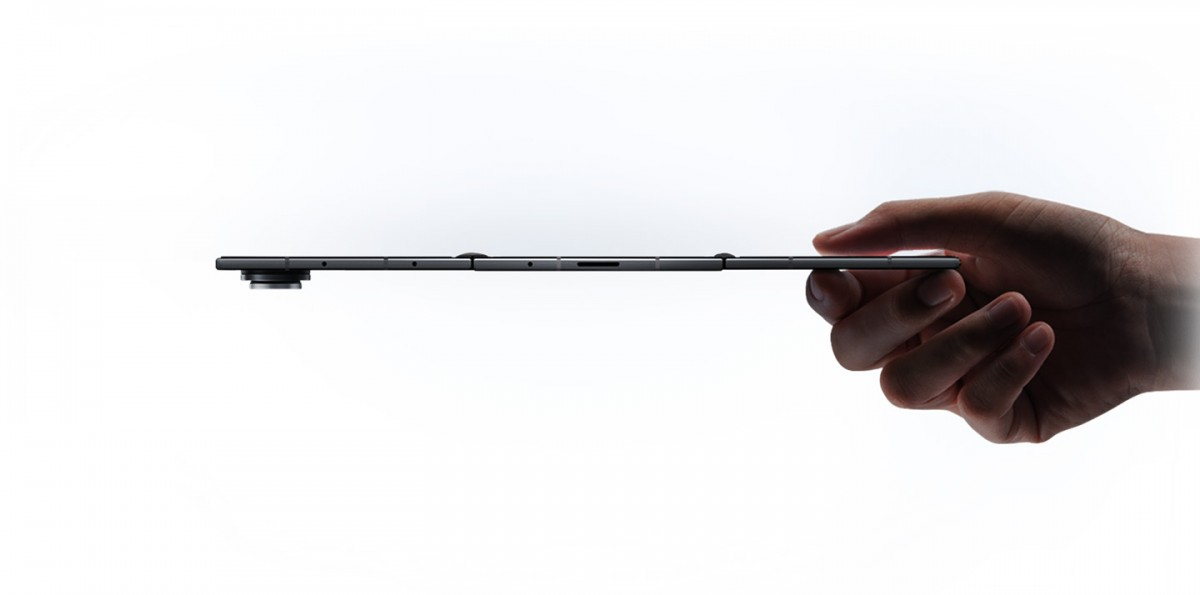
What really makes this interesting is Samsung’s track record. The company basically turned foldables into a mainstream category, with the Fold 7 becoming one of the most shipped book-style foldables this year. That experience, especially around hinge durability, thinness, and software optimization, is exactly what the tri-fold category needs. Huawei may have been first, but Samsung feels better positioned to make this form factor “normal.”
Much like the Mate XT, Samsung will start at home first. The Galaxy Z TriFold lands in Korea on December 12, before expanding to markets like China, Singapore, Taiwan, and the UAE, and eventually hitting the U.S. in early 2026. And yes, it’s very expensive. The 512GB model starts at around $2,449. But honestly, for a brand-new category with two hinges, three panels, and a tablet-sized display, nobody expected anything less.
The foldable era is clearly entering a new phase, and Samsung’s move makes it feel like tri-folds might finally be ready for the rest of us.
 Kelechi Edeh