When the rumours of a trifold phone first started circulating in 2024, smartphone enthusiasts had a lot to look forward to. It wasn’t the first trifold ever; that title belongs to Huawei’s Mate XT, but Samsung's entering the space suggested something bigger: that foldables could be going mainstream, backed by a global player.
Fast forward to its launch just about three months ago, and the reality quickly set in. With a price hovering around $2,899, the Samsung Galaxy Z TriFold was not intended to be a mass-market device. For most people, the price tag made it out of reach. Now, almost as quickly as it arrived, it might be on its way out.
 Louis Eriakha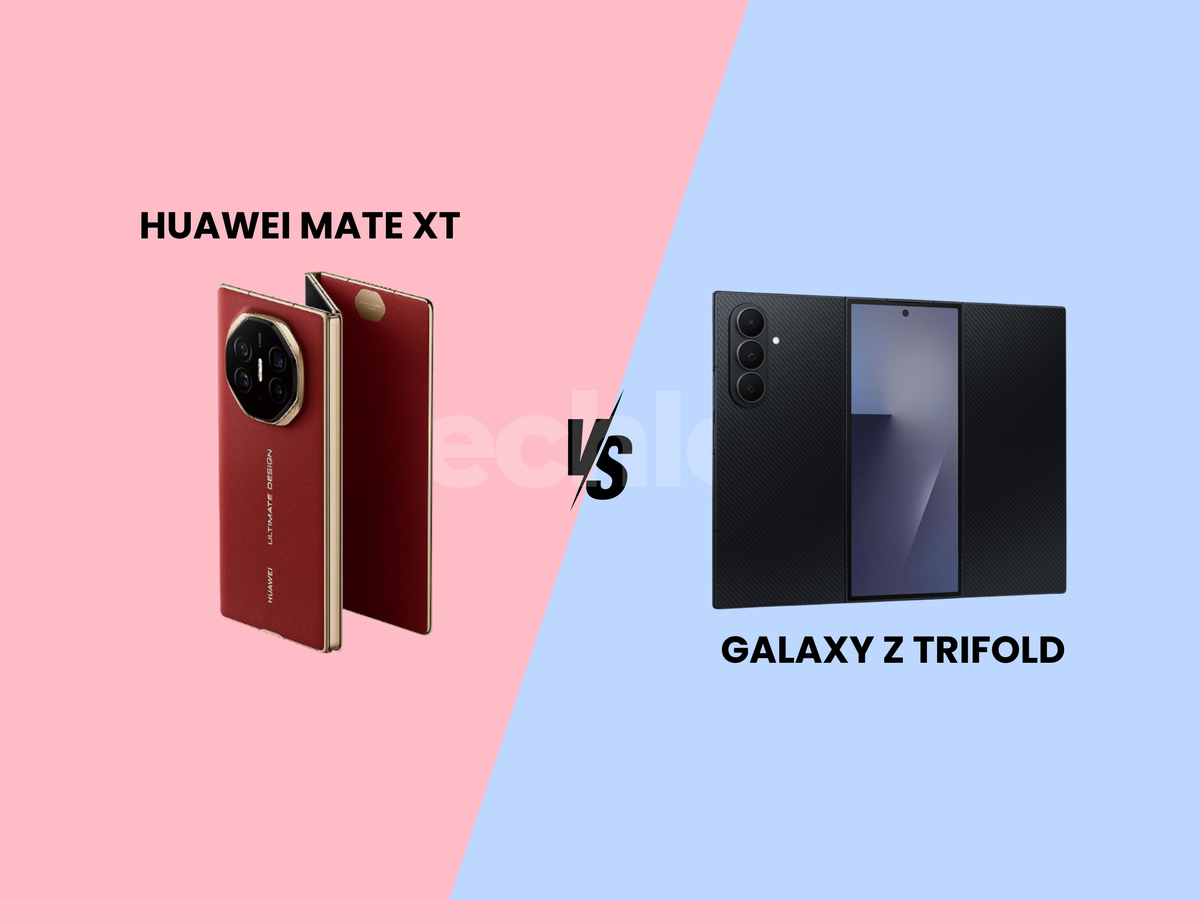
Samsung confirmed to Bloomberg in a report yesterday that it would stop selling the phone. “The Korean company will begin by halting sales in its home market, then discontinue business in the US once it clears remaining inventory,” Bloomberg reported, citing a spokesperson for the company.
The report claimed that the company first started pulling it in South Korea before gradually doing the same in the US. Samsung has already stopped hinting at restocks on its website, simply labelling the device as “sold out,” which all but confirms that the end of the road for the short-lived foldable might be near. While some units have been spotted in select physical stores, availability is now scattered and inconsistent.
This comes a month after the chief operating officer of Samsung’s Mobile Experience Business, Won-Joon Choi, said the company hadn’t finalised its decision on whether the TriFold will get a sequel or not. At the time, Choi blamed this on “manufacturing complexity.” But many are speculating that some of the top-selling points of the device, like a widescreen aspect ratio, could come to Samsung’s less expensive foldables over time.
If you’re still determined to get your hands on one, third-party retailers and resellers might have a few units floating around. But that route comes with its own risks. Just ask Allison Johnson, who spent months tracking one down, only to end up with a not-to-be-trusted unit that turned into a very expensive paperweight. Not exactly the kind of experience you want after spending thousands.
For now, it seems Samsung is shifting focus back to more practical flagships like its Galaxy S series, while quietly folding lessons from the TriFold into future devices. Whether we see a second-generation trifold anytime soon remains uncertain, but if we do, it’ll likely be far more refined and, hopefully, a bit more accessible.
 Louis Eriakha