



A few years ago, the midrange smartphone market had a clear promise: solid phones, reasonable prices, and only a few compromises. Lately, that promise has started to blur.
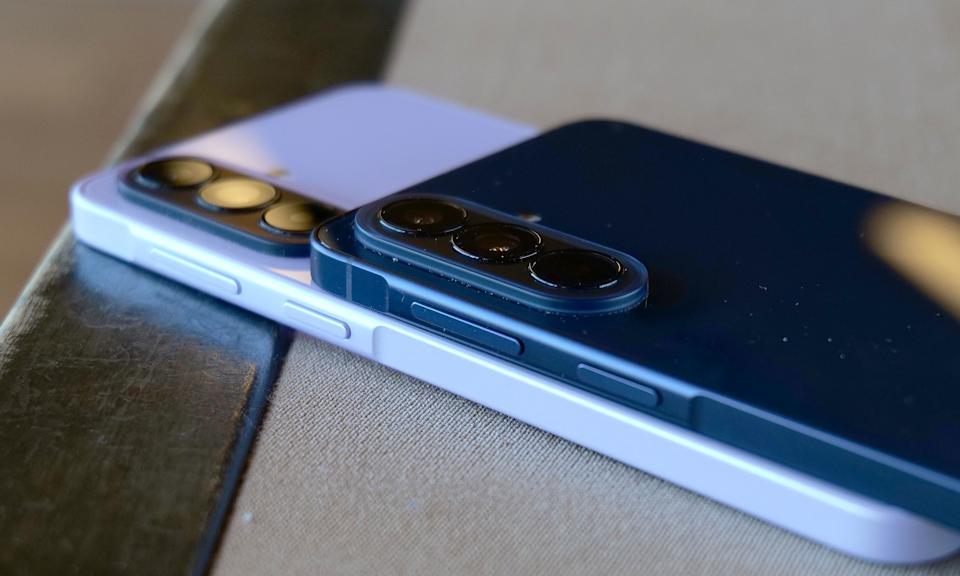
Last month, Samsung raised the price of two of its flagship phones by $100. Now the same trend has reached its midrange lineup. The new Samsung Galaxy A57 5G and Samsung Galaxy A37 5G arrive with $50 price increases compared to last year’s models, even though the hardware upgrades are relatively modest.
Samsung also trimmed the lineup. That means there's no successor to the Samsung Galaxy A26 for now.
On paper, the new prices land at $550 for the A57 and $450 for the A37. Both go on sale April 9. That puts them closer to phones that used to sit a tier above them.
The timing also says a lot about the broader tech economy. Smartphone makers are dealing with rising component costs, especially memory. RAM and storage prices have surged due to tight supply, and manufacturers are feeling the pressure.
“Price increases or ‘down-speccing’ have become the norm,” said Jitesh Ubrani, research manager at International Data Corporation. “The biggest bottleneck for brands right now is memory, with suppliers facing tight availability and significantly higher costs than in past years.”
Some companies respond by raising prices. Others keep prices steady but quietly scale back upgrades. The recent Google Pixel 10a is a good example of that balancing act. Meanwhile, the Apple iPhone 17e managed to hold its price while adding features like MagSafe and a new processor, an increasingly rare move in this market.
Against that backdrop, Samsung’s changes feel incremental. Both new A-series phones bring faster processors. The A37 runs on Samsung’s Exynos 1480, while the A57 uses the newer Exynos 1680. The gains are noticeable on paper, especially in AI-related processing.
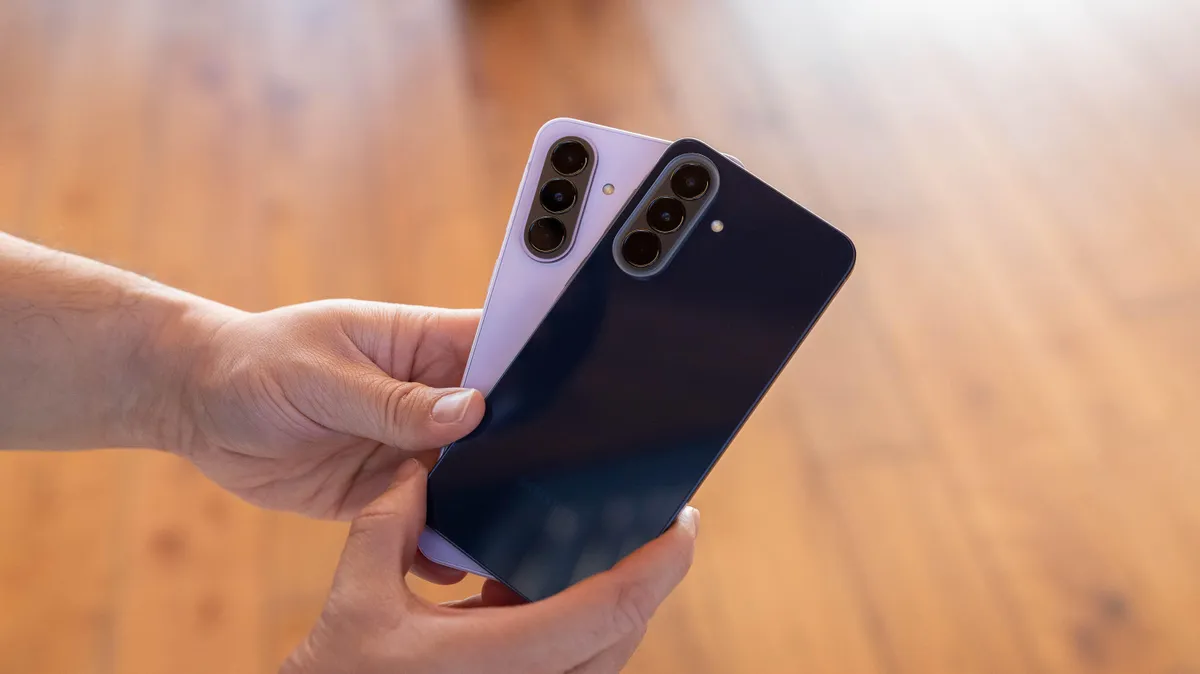
But many of the fundamentals remain the same: a 5,000-mAh battery, 45-watt charging, and 6.7-inch AMOLED displays. Wireless charging still hasn’t made the cut, even though competitors like the Pixel 10a offer it.
The improvements come in smaller places. Both phones now carry an IP68 rating for water and dust resistance, a step up from the previous generation. Camera processing also gets some tweaks. Samsung says photos capture faster and image processing has improved, particularly in low light.
There are also new AI-driven touches in software, including improved object removal in photos and updated voice transcription tools. Whether those features matter to buyers is another question.
Samsung says many A-series customers upgrade out of necessity rather than curiosity. A broken phone or an aging device often triggers the purchase. “Value for money” remains the biggest driver. That makes the price increases feel slightly awkward. Midrange phones thrive on affordability, and each price bump nudges them closer to premium territory.
Competition is also getting stronger. Devices like the Nothing Phone (4a) Pro and the upcoming Motorola Moto G Stylus (2026) promise aggressive specs in the same price range. In the end, the Galaxy A57 and A37 show where the smartphone market is heading. Costs are rising, upgrades are becoming incremental, and the definition of “midrange” keeps shifting upward.
For buyers, the question gets simpler each year: how much phone do you really need, and how much are you willing to pay for it?
 Kelechi Edeh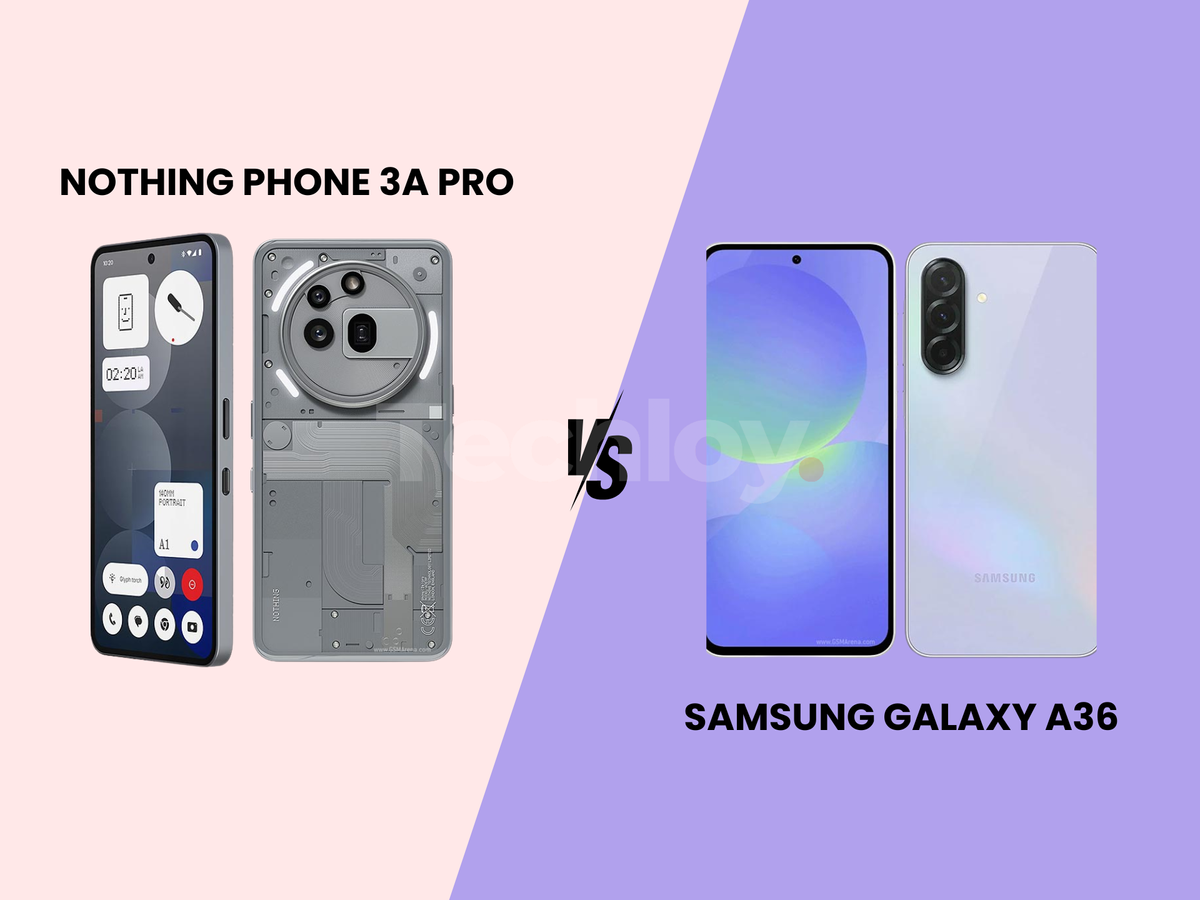

![Best AI Consulting Firms for Enterprise Transformation [2026 Review] Post feature image](/content/images/size/w1600/format/webp/2026/03/data-src-image-224cb5c4-36e4-4e18-b91d-46f052b1aa42-1.png)


