Snapchat is giving parents more tools to keep tabs on their teens’ activity on the platform with an expanded set of parental controls in its Family Center. The new features let parents track how much time their teen spends on Snapchat each day and provide insights into the friends their teen is adding, likely aiming to address growing concerns over social media addiction and online safety.
Parents can now see the average time their teen spends on Snapchat over the past week, broken down by activity type. This includes chatting with friends, sending snaps, using the camera to create content, exploring Snap Map, and watching videos on Spotlight and Stories. These insights give parents a clearer picture of where their teen is spending their time and can help guide conversations about healthy social media habits.
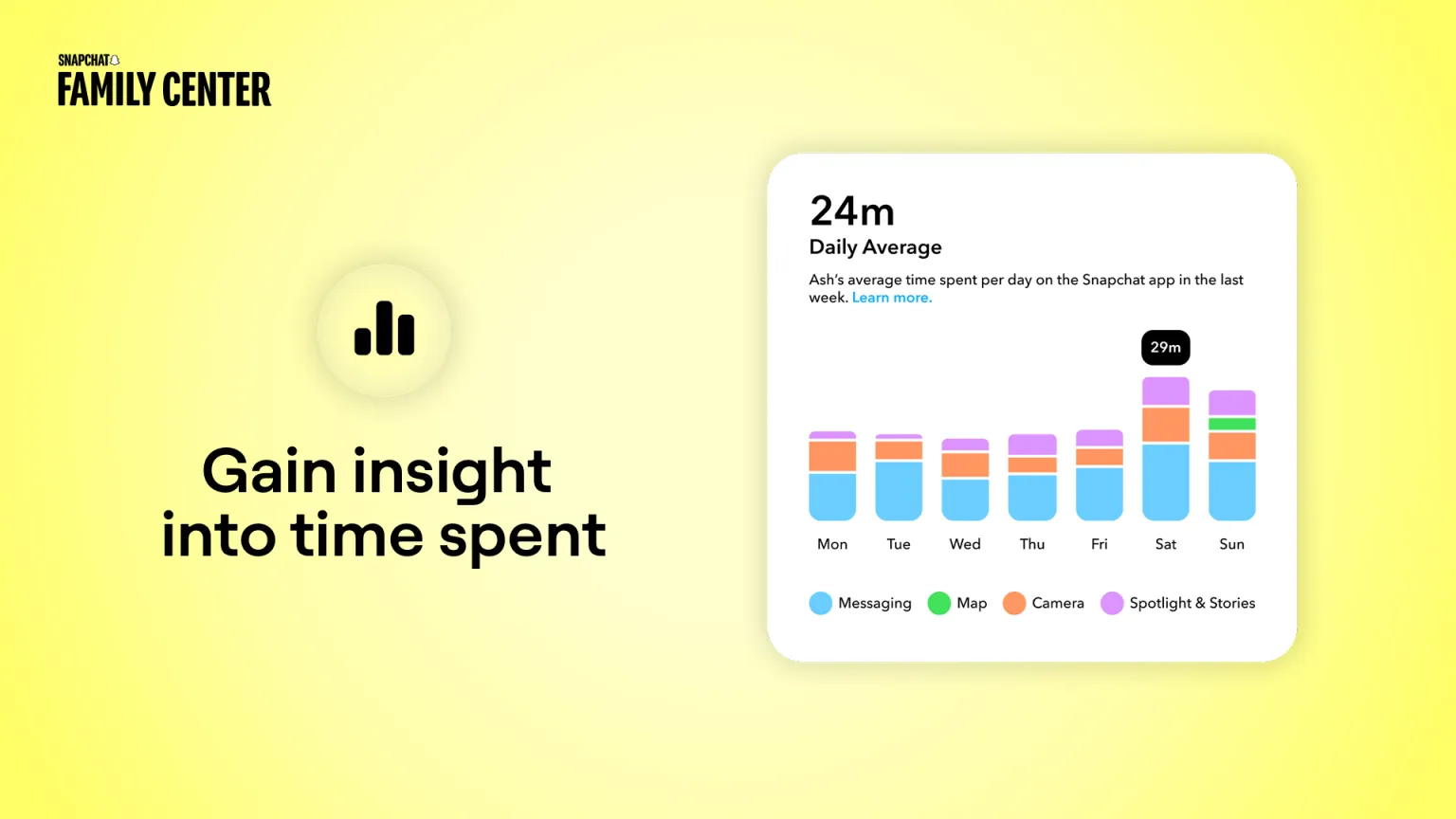
In addition to monitoring time, parents can now understand the context of new friend connections. The Family Center updates show how a teen may know someone they’ve added, whether through mutual friends, saved contacts, or shared communities. According to Snap, these “trust signals” give parents more confidence that their teen is interacting with people they know in real life and make it easier to start a productive conversation if a new connection seems unfamiliar.
 Oluwajeminipe Fasheun-Motesho
Snapchat originally launched Family Center in 2022 in response to pressure from regulators concerned about protecting minors online. The tool has steadily expanded since then, allowing parents to view recent interactions, set time limits, and block access to the app’s AI chatbot, My AI.
The timing of this update comes just two days after Snap settled a lawsuit filed by a 19-year-old accusing the company of creating features and algorithms that fueled social media addiction and harmed mental health. The lawsuit also names Meta, YouTube, and TikTok, though no settlements have been reached with those platforms. Jury selection for the remaining cases is set to begin soon.
Snap continues to face scrutiny over its handling of teen safety, with documents from ongoing cases showing that employees had raised concerns about mental health risks to teens as far back as nine years ago. Snap has stated that the examples cited were “cherry-picked” and taken out of context.
By expanding Family Center, Snapchat is signaling that it wants to provide parents with tools to understand and guide teen usage while also addressing regulatory and public concerns over the effects of social media on mental health.
 Damilare Odedina