



As energy costs continue to surge and power outages become increasingly frequent, businesses face mounting pressure to secure reliable, cost-effective power solutions.
Facility managers across industries grapple with the dual challenges of managing unpredictable utility expenses and maintaining operational continuity during grid disruptions. Solar power generation systems emerge as a compelling solution, offering both substantial cost savings and enhanced power resilience.
By harnessing renewable energy and integrating advanced storage technologies, organizations can significantly reduce their electricity expenses while ensuring uninterrupted operations during outages. This comprehensive guide explores how modern solar power systems can transform your facility's energy infrastructure.
The Critical Role of Solar in Modern Enterprise Energy Strategy
Today's businesses face unprecedented vulnerabilities from their dependence on an aging power grid. With outages increasing by 64% over the past decade and commercial electricity rates rising steadily, organizations can no longer afford to maintain the status quo. Studies show that commercial buildings waste up to 30% of their energy consumption through inefficient systems and poor load management. By implementing solar solutions, enterprises not only address these inefficiencies but also make significant progress toward their Environmental, Social, and Governance (ESG) commitments. Advanced solar installations can reduce operational carbon footprints by up to 80% while providing reliable power during grid disruptions.
Driving Significant Cost Reduction with Solar Power Systems
Leveraging Incentives and Financing Models
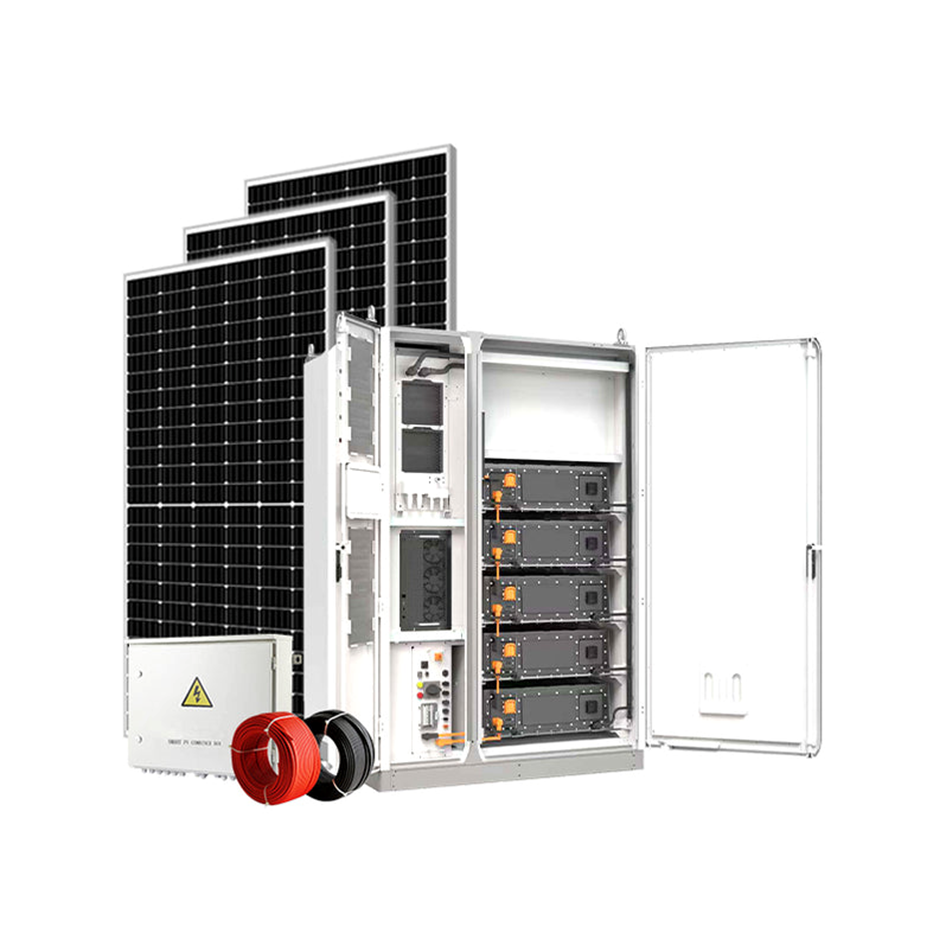
Solar power systems deliver immediate utility bill reductions while building long-term energy independence. Organizations typically see 40-60% decreases in monthly electricity costs through reduced grid consumption and demand charges. The Investment Tax Credit (ITC) currently offers a 30% federal tax credit on total system costs, while state-specific incentives can cover an additional 10-25% of expenses. Power Purchase Agreements (PPAs) enable zero-upfront-cost deployment with predictable rates typically 20-30% below utility prices, while direct ownership maximizes long-term savings through accelerated depreciation under MACRS.
Operational Efficiency Gains
Advanced solar installations with integrated storage enable sophisticated peak shaving strategies, dramatically reducing costly demand charges that often comprise 30-50% of commercial power bills. Smart load management systems can automatically shift power-intensive operations to periods of peak solar production, while excess generation can be stored for use during expensive time-of-use rate periods. Unlike traditional backup generators requiring regular maintenance and fuel costs, solar systems have minimal operational expenses beyond occasional panel cleaning and inverter checks.
Enterprise Backup Power and Resilience Through Solar Integration
Seamless Switchover Technology Explained
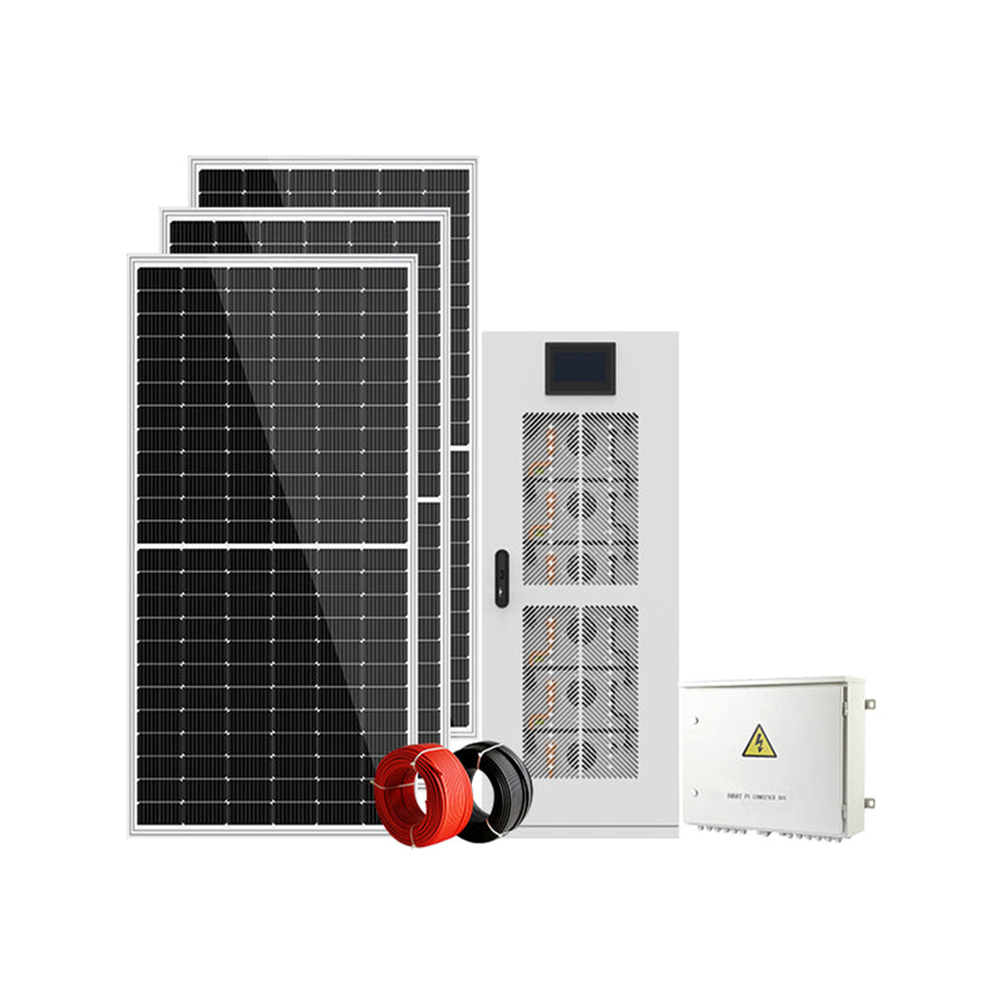
Modern solar power systems revolutionize facility backup power through sophisticated integration of advanced transfer switches and intelligent load management. Unlike traditional backup solutions, solar-plus-storage systems provide instantaneous power transition during outages, maintaining critical operations without interruption. These systems utilize high-speed transfer switches that detect grid anomalies within milliseconds, automatically isolating facility loads and transitioning to stored solar energy.
Case Study: Manufacturing Plant Resilience
A leading automotive parts manufacturer in Texas demonstrates the transformative impact of integrated solar backup power. After experiencing multiple production disruptions costing $50,000 per hour, the facility implemented a 40kW solar system with Anern battery storage technology providing 80kWh capacity. During a recent severe weather event that caused a 6-hour regional blackout, the solar-plus-storage system maintained 100% operational capacity for critical production lines. The system's intelligent load management automatically scaled back non-essential processes, extending backup duration while maintaining product quality standards. This resulted in zero production losses during the outage, compared to an estimated $300,000 in losses they would have faced without solar backup. The facility's power resilience metrics showed a 99.999% uptime achievement, with recovery times reduced from 15-20 minutes with traditional generators to under 20 milliseconds with the solar system.
Technical Integration for Optimized Commercial Deployment
Microgrid Solutions Architecture
Successful commercial solar deployment requires careful evaluation of facility infrastructure and load requirements. Building-specific assessments must consider available roof space, structural loading capacity, and existing electrical infrastructure. Modern microgrid architectures offer flexible configurations to match diverse facility needs. Grid-tied systems maximize utility bill savings during normal operations while maintaining grid stability.
Smart Grid Interoperability
Advanced solar installations leverage smart grid capabilities to maximize value through grid services participation. Sophisticated monitoring systems track real-time energy flows, enabling participation in demand response programs that generate additional revenue. Modern net metering strategies optimize excess power export timing to maximize financial returns under time-of-use rate structures. Standardized communication protocols ensure seamless integration with utility systems and third-party aggregators, while comprehensive data monitoring enables continuous system optimization.
Implementation Roadmap for Facility Managers
Step 1: Energy Audit and Feasibility Analysis
Begin with comprehensive energy consumption analysis using advanced monitoring tools to establish baseline usage patterns and identify peak demand periods. Conduct detailed site surveys to assess available roof space, structural integrity, and optimal panel positioning. Utilize 3D modeling software to map solar potential across different seasons, accounting for shading and weather patterns.
Step 2: Technology Selection and System Design
Select battery storage capacity based on critical load requirements and desired backup duration. Consider future expansion needs when sizing inverters and electrical infrastructure. Evaluate component compatibility using standardized communication protocols.
Step 3: Deployment and Commissioning
Execute installation in phases to minimize operational disruption, starting with roof preparation and racking systems during off-peak hours. Coordinate utility interconnection requirements early, including necessary upgrades to existing infrastructure.
Step 4: Ongoing Optimization
Establish performance monitoring dashboard tracking key metrics including energy production, consumption, and savings. Implement AI-driven predictive maintenance system to identify potential issues before they impact operations.
Securing Your Energy Future Through Solar Innovation
Solar power generation systems represent a transformative solution for facilities facing mounting energy challenges. By implementing these systems, organizations can achieve both immediate cost reductions through eliminated utility expenses and long-term operational resilience through reliable backup power.
The comprehensive benefits extend beyond simple energy savings – from enhanced ESG performance to increased property value and operational stability. Facility managers who take action now position their organizations for sustainable competitive advantage while protecting against future energy market volatility and grid instability. The path to energy independence through solar power systems is clear, tested, and increasingly essential for modern enterprise success.


